Please Wait
Applying Filters...
Menu
Xls

Digital Content read-more

Create Content with PharmaCompass, ask us

DATA COMPILATION #PharmaFlow

read-more
read-more
FDA approvals drop 24% in H1 2025; GSK’s UTI med, Vertex’s non-opioid painkiller lead pack of first-in-class meds
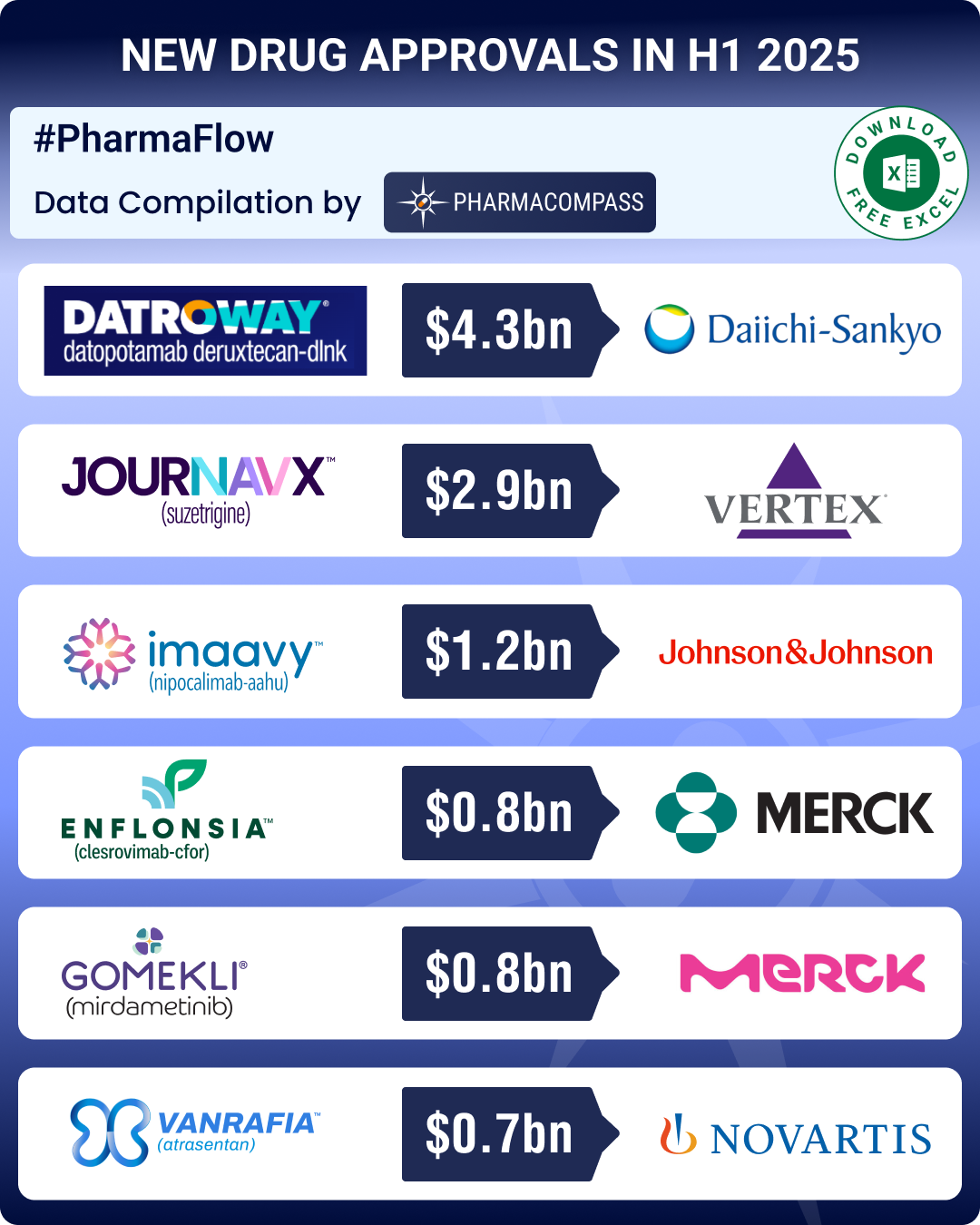
It has been a turbulent year for the US Food and Drug Administration (FDA), marked by reductions in both staff and budget, shake-ups at the top and a reduction in inspections. This upheaval has clearly impacted the functioning of the agency, with reports of missed deadlines and reduced responsiveness. This disruption resulted in a slowdown in new drug approvals in the first half of 2025 (H1 2025), as opposed to the same period last year. Incidentally, drug approvals in H1 2024 were also down by 19 percent compared to H1 2023. FDA’s Center for Drug Evaluation and Research (CDER) approved 16 novel drugs in H1 2025, down from 21 in H1 2024, a decline of nearly 24 percent. Of these, nine were small molecules and seven were biologics. The period saw eight first-in-class therapies get CDER’s approval, as opposed to 17 in H1 2024. FDA’s Center for Biologics Evaluation and Research (CBER) approved seven biologics in H1 2025, compared to eight in the same period last year. In comparison, both Health Canada and the European Medicines Agency (EMA) reported a strong rebound in approvals and authorizations, respectively. Health Canada approved 20 drugs in H1 2025, as opposed to 10 in H1 2024. Similarly, EMA authorized 19 new therapies in H1 2025, compared to 15 in H1 2024. Notably, EMA’s pending decisions increased to 25 in H1 2025, from 14 in the same period last year, while conditional authorizations remained static at five. This underscores EMA’s active regulatory pipeline, suggesting that more drugs could be approved in Europe soon.   View New Drug Approvals in H1 2025 with Estimated Sales (Free Excel Available) Vertex’s non-opioid painkiller, GSK’s antibiotic for UTI, Merck’s RSV antibody bag FDA nods Oncology remained the single largest category in H1 2025 with seven new drugs being approved by the FDA, followed by four rare diseases and disorders and as many infections and infective diseases.  The eight drugs that were designated first-in-class in H1 2025 are: Journavx (Suzetrigine), Imaavy (nipocalimab), Emrelis (telisotuzumab vedotin), Blujepa (gepotidacin mesylate), Qfitlia (fitusiran), Avmapki Fakzynja Co-Pack (avutometinib potassium/defactinib hydrochloride), Tryptyr (acoltremon), and Andembry (garadacimab). In January, a new class of non-opioid pain therapy made a debut — FDA approved Vertex Pharmaceuticals’ Journavx (suzetrigine). This first-in-class oral analgesic could bring in US$ 2.9 billion in sales for Vertex by 2030. The half year also saw a new oral antibiotic — GSK’s Blujepa (gepotidacin) — for treating uncomplicated urinary tract infections (uUTIs) bag FDA approval. This is the first new antibiotic for uUTIs in nearly three decades. It treats infections caused by resistant pathogens such as E. coli and K. pneumoniae. In June, Merck’s Enflonsia (clesrovimab), a long-acting monoclonal antibody, won FDA approval to prevent respiratory syncytial virus (RSV) lower respiratory tract disease in neonates and infants entering their first RSV season. A single 105 mg dose provides protection for about five months, the length of a typical RSV season. Enflonsia could bring in US$844 million in annual sales by 2030.   View New Drug Approvals in H1 2025 with Estimated Sales (Free Excel Available)  FDA approves four meds for rare diseases, including SpringWorks’ Gomekli, Novartis’ Vanrafia In H1 2024, rare genetic diseases had witnessed some significant approvals. The trend continued in H1 2025. In February, Gomekli (mirdametinib), developed by SpringWorks Therapeutics, became the first approved therapy for neurofibromatosis type 1 (a genetic disorder that causes tumors to grow on nerve tissues) in adult and pediatric patients who have symptomatic plexiform neurofibromas (benign, complex nerve tumors) not amenable to complete resection. Analysts expect peak sales of around US$ 0.8 billion by 2030. Post this approval, SpringWorks got acquired by Merck KGaA for approximately US$ 3.9 billion. The same month, Ono Pharma-owned Deciphera’s Romvimza (vimseltinib) became the first oral therapy approved for another rare disease known as symptomatic tenosynovial giant cell tumor. This is a benign but aggressive growth that can be painful. This new drug offers patients an option beyond surgery. In March, Sanofi’s Qfitlia (fitusiran) was approved for routine prophylaxis in hemophilia A or B, with or without inhibitors. And in April, Novartis’ Vanrafia (atrasentan) was granted accelerated approval for IgA nephropathy (a chronic autoimmune kidney disease), which is at the risk of rapid progression. Vanrafia could bring in sales of over US$ 735 million by 2030. Johnson & Johnson secured approval for Imaavy (nipocalimab-aahu) for generalized myasthenia gravis (a chronic autoimmune disease that causes muscle weakness) in adults and adolescents. Imaavy’s sales could cross US$1.17 billion by 2030. Rare diseases continue to attract regulatory attention, with the trend carrying into the current quarter. July witnessed two noteworthy rare-disease approvals — Ekterly (garadacimab), CSL’s once-monthly prophylactic treatment for hereditary angioedema (a genetic disorder that causes recurrent episodes of swellings), and Sephience (pegvaliase-abcx), BioMarin’s new therapy for phenylketonuria (a rare metabolic disorder).   View New Drug Approvals in H1 2025 with Estimated Sales (Free Excel Available)  FDA greenlights new oncology therapies, including Astra’s Datroway, AbbVie’s Emrelis The field of oncology saw some notable new drug approvals. In January, Datroway (datopotamab deruxtecan), an antibody-drug conjugate (ADC) developed by AstraZeneca and Daiichi Sankyo, was granted approval for adults with unresectable or metastatic, hormone receptor-positive, HER2-negative breast cancer. Later, in June, the FDA granted accelerated approval  to AstraZeneca;s Datroway for adults with locally advanced or metastatic, EGFR-mutated non-small cell lung cancer. The drug’s peak annual sales are projected at about US$ 4.2 billion by 2030. In May, Emrelis (telisotuzumab vedotin-tllv), AbbVie’s ADC was granted FDA’s accelerated approval. Emrelis treats locally advanced or metastatic non-squamous non-small cell lung cancer (NSCLC) characterized by significantly increased levels of the c-Met protein in cancer cells. FDA also approved a companion diagnostic test — Roche's Ventana — in May to determine the c-Met protein biomarker status in order to identify patients eligible for Emrelis.  The same month, FDA also granted accelerated approval to Verastem’s Avmapki Fakzynja Co-pack, a dual oral therapy for adults with KRAS‑mutated recurrent low‑grade serous ovarian cancer (LGSOC). This novel regimen combines two inhibitors — avutometinib and defactinib — to disrupt critical signaling pathways that fuel tumor growth. In ophthalmology, Alcon re-entered the prescription pharmaceutical market with Tryptry (acoltremon), a first-in-class TRPM8 agonist for dry eye disease, which stimulates corneal nerves to increase tear production.   View New Drug Approvals in H1 2025 with Estimated Sales (Free Excel Available)  Our view The changes in the FDA are clearly having a far-reaching impact on the global pharmaceutical industry. There have been reports of drugmakers losing confidence in the FDA, which has been a gold standard for drug regulation. Some American biotechs are shifting early trials outside of the US. With EMA and Health Canada authorizing/approving a larger number of drugs in H1 2025, we do see some changes underway that may eventually reshape drug development.  

Impressions: 7741

https://www.pharmacompass.com/radio-compass-blog/fda-approvals-drop-24-in-h1-2025-gsk-s-uti-med-vertex-s-non-opioid-painkiller-lead-pack-of-first-in-class-meds

#PharmaFlow by PHARMACOMPASS
28 Aug 2025

STOCK RECAP #PipelineProspector

read-more
read-more
Pipeline Prospector Aug 2024: Otsuka buys Jnana, Lilly’s market cap gains by over US$ 108 bn post new guidance
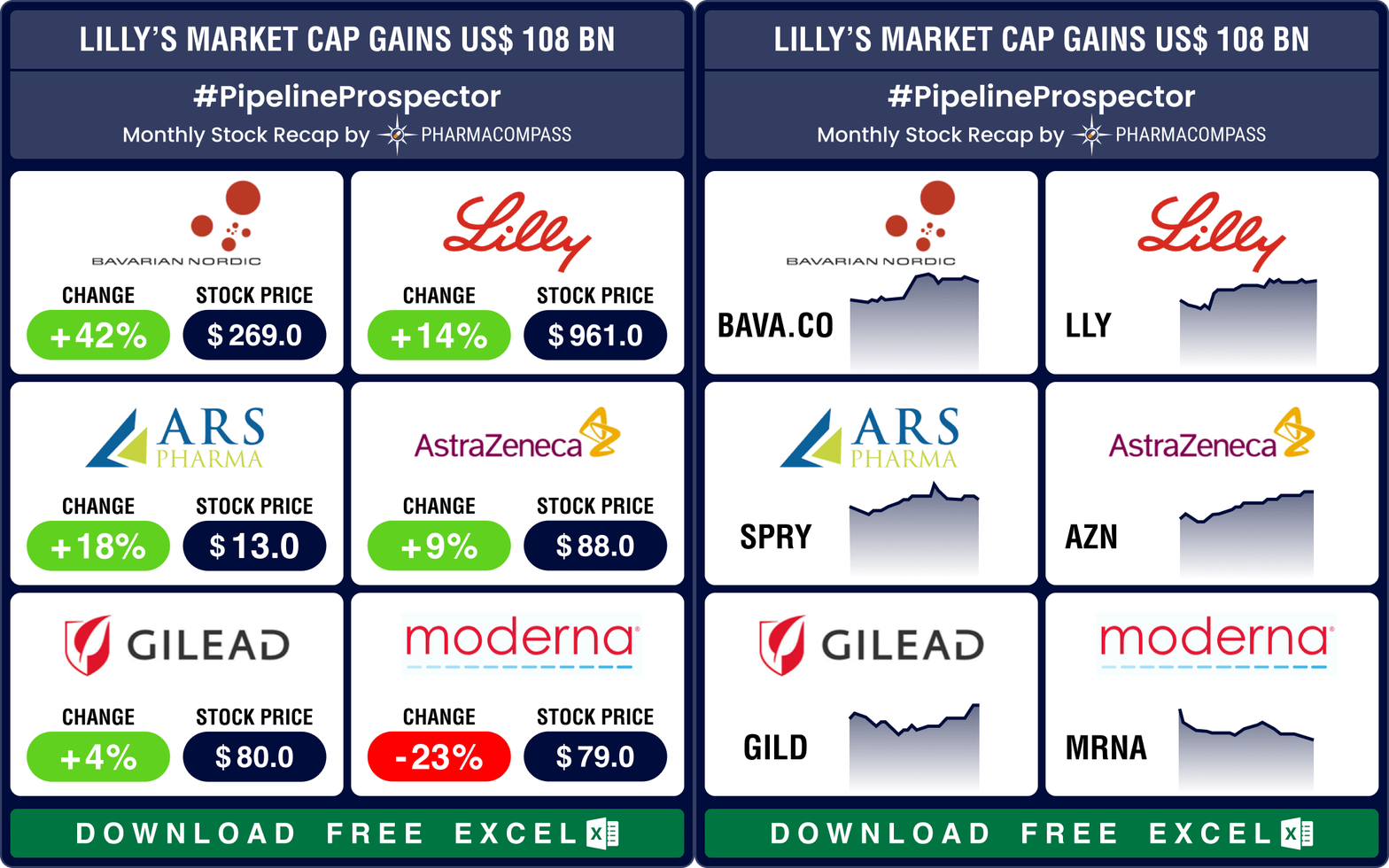
As summer draws to a close, pharma and biotech indices posted their fourth consecutive month in the green. The Nasdaq Biotechnology Index (NBI) rose 1.3 percent from 4,821.49 to 4,882 in August and the SPDR S&P Biotech ETF (XBI) index gained 1.7 percent from 99.53 to 101.26. The S&P Biotechnology Select Industry Index (SPSIBI) saw a 2.3 percent increase to 7,897.85 from 7,717 posted in July-end. Over the last four months, NBI, XBI, and SPSIBI have rallied 17 percent, 19 percent, and 20 percent, respectively.Amongst the notable negative news, the US Food and Drug Administration (FDA) declined to approve an application of MDMA, commonly known as ecstasy, to treat post-traumatic stress disorder (PTSD). Lykos Therapeutics, the company behind this application, received a complete response letter citing concerns about the trial. Access the Pipeline Prospector Dashboard for August 2024 Newsmakers (Free Excel)Otsuka buys Jnana for up to US$ 1.1 bn; Merck inks US$ 1.3 bn deal with China’s CuronAugust saw several acquisitions and deals. Japan’s Otsuka Pharmaceutical said it is acquiring clinical-stage biotech Jnana Therapeutics through a potential US$ 1.1 billion deal. This includes a payment of US$ 800 million to Jnana’s shareholders on completion of the acquisition, and an additional US$ 325 million in milestone payments. Merck has evinced interest in the growing field of bispecific antibodies by paying China-based Curon US$ 700 million upfront, with an additional US$ 600 million in milestone payments, for the rights to CN201, an experimental cancer med in early-stage trials for treating non-Hodgkin’s lymphoma and B-cell acute lymphocytic leukemia.Roche, via its subsidiary Genentech, has secured exclusive rights to molecules from Sangamo Therapeutics designed to repress the gene that makes “tau,” a protein many scientists believe is a driver of Alzheimer’s disease. The potential US$ 1.95 billion deal comprises other novel genomic medicines for neurodegenerative diseases.Denmark’s Adcendo acquired global rights (excluding Greater China) to Multitude Therapeutics' first-in-class antibody-drug-conjugate (ADC) candidate for up to US$ 1 billion. The ADC targets tissue factor (TF) highly expressed in various cancers including lung, colorectal, cervical, esophageal, head and neck, bladder, and some gastrointestinal cancers, but limited in normal tissues. The candidate, ADCE-T02, is a highly differentiated anti-TF ADC.In other deals, Instil Bio agreed to pay up to US$ 2 billion to China’s ImmuneOnco Biopharmaceuticals for two clinical-stage cancer candidates. Similarly, Eisai inked a deal with SEED Therapeutics worth up to US$ 1.5 billion to develop novel drugs for neurodegenerative diseases and cancer. Access the Pipeline Prospector Dashboard for August 2024 Newsmakers (Free Excel) Gilead’s US$ 4.3bn CymaBay bet pays off; Adaptimmune’s Tecelra becomes first-ever TCR gene therapyThe month also saw several significant drug approvals. Gilead’s Livdelzi gained FDA’s accelerated approval for primary biliary cholangitis (PBC), an inflammatory liver disease. This approval validates Gilead’s US$ 4.3 billion acquisition of CymaBay and positions the once-daily pill as a potential challenger to the current PBC standard of care.Novartis’ Fabhalta also gained accelerated approval for reducing excess protein in the urine of patients with primary immunoglobulin A nephropathy (IgAN), addressing an important aspect of kidney disease management.Adaptimmune’s Tecelra received accelerated approval from the FDA as the first-ever T cell receptor (TCR) gene therapy. It was greenlit for a rare type of cancer — synovial sarcoma — that often affects young people.J&J’s high hopes for Rybrevant got validated when FDA approved it for use in combination with its new drug Lazcluze to treat a kind of non-small cell lung cancer (NSCLC). This is the only chemotherapy-free regimen that has shown superior progression-free survival as compared to AstraZeneca’s Tagrisso, the current standard of care in the first-line setting.Meanwhile, Astra’s other blockbuster cancer drug Imfinzi received FDA’s approval as an additional treatment after surgery for a type of NSCLC, expanding its use in the treatment paradigm.Servier’s Voranigo became the first and only treatment in the US for a certain kind of brain tumor, offering a once-daily pill option for patients with grade 2 IDH-mutant glioma. Additionally in oncology, GSK’s Jemperli received a broad US label expansion for first-line treatment of endometrial cancer. Citius’ Lymphir received FDA approval for relapsed or refractory cutaneous T-cell lymphoma.ARS Pharmaceuticals’ EURneffy and Neffy became the first nasal spray alternatives to EpiPen for severe allergic reactions in Europe and the US, respectively. This represents a new era in needle-free emergency allergy treatment.To deal with a surge in Covid cases in the US, FDA approved updated versions of Pfizer and BioNTech’s Comirnaty, Moderna’s Spikevax and Novavax's jab that target a strain called KP.2.that target a strain called KP.2. Access the Pipeline Prospector Dashboard for August 2024 Newsmakers (Free Excel) Lilly’s market cap surges US$ 108 bn post Q2 results; Bavarian Nordic’s stock jumps 42%Eli Lilly announced its second-quarter results last month. Its Q2 revenue increased 36 percent year-on-year due to its diabetes and obesity meds Mounjaro and Zepbound and breast cancer med Verzenio. It prompted Lilly to raise its 2024 revenue guidance by US$ 3 billion. Lilly now expects between US$ 45.4 billion and US$ 46.6 billion in 2024 revenue. The news led to a 14 percent rise in its stock, as it gained over US$ 108 billion in market capitalization. The stock hit an all-time high of US$ 972.53 on August 22. Lilly said tirzepatide (Zepbound and Mounjaro) slashed the risk of developing type 2 diabetes in overweight or obese adults with pre-diabetes by 94 percent. One in three adults in the US, or around 98 million Americans, have pre-diabetes. A late-stage trial also showed tirzepatide reduced the risk of hospitalization or death due to heart failure by 38 percent.The stock of Bavarian Nordic, which makes the monkey pox vaccine Jynneos, gained 42 percent in August after the World Health Organization declared a global health emergency over the mpox outbreak in Africa. As the month drew to a close, FDA granted expanded approval to Emergent BioSolutions’ smallpox vaccine — ACAM2000 — for use in people at high risk of mpox infection. This makes Emergent’s shot the second approved vaccine against mpox in the US after Jynneos.In trials, Bayer posted a key win with Kerendia showing it can reduce the risk of cardiovascular death, and first and recurrent heart failure events in a phase 3 trial. Access the Pipeline Prospector Dashboard for August 2024 Newsmakers (Free Excel) Our viewDuring August, the pharmaceutical industry’s resilience was on full display. A surge in Lilly’s market cap by US$ 108 billion underscores the commercial potential of cutting-edge therapies. And we hope to see more of such successes on the bourses in the coming months. Access the Pipeline Prospector Dashboard for August 2024 Newsmakers (Free Excel) 

Impressions: 3797

https://www.pharmacompass.com/pipeline-prospector-blog/pipeline-prospector-aug-2024-otsuka-buys-jnana-lilly-s-market-cap-gains-by-over-us-108-bn-post-new-guidance

#PharmaFlow by PHARMACOMPASS
05 Sep 2024

WEEKLY NEWS RECAP #Phispers

read-more
read-more
FDA approves first ever T-cell receptor gene therapy from Adaptimmune, Servier’s brain tumor pill
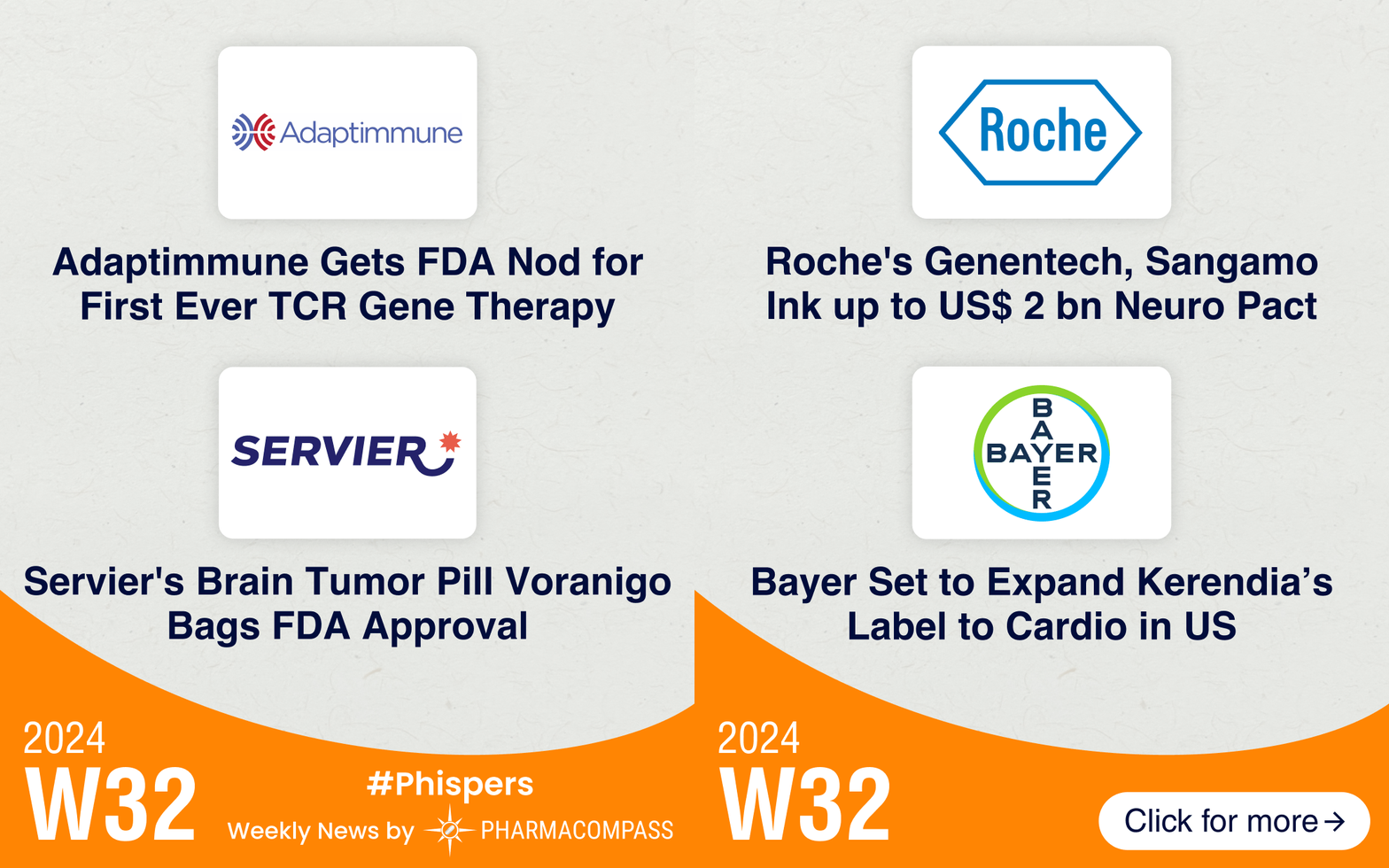
This week, Adaptimmune clinched gold when it secured the first-ever US Food and Drug Administration (FDA) approval for a T-cell receptor gene therapy. Its drug Tecelra was okayed to treat a rare and aggressive cancer, known as synovial sarcoma, that often affects young people. FDA also expanded the label of GSK’s Jemperli in endometrial cancer.Besides these approvals, the agency approved Servier’s drug for a certain kind of brain tumor, known as  Grade 2 IDH-mutant gliom. It also granted accelerated approval to Novartis’ Fabhalta (iptacopan) to reduce excess protein in the urine of patients with primary immunoglobulin A nephropathy (IgAN) at risk of rapid disease progression.In deals, Roche’s Genentech has signed a potential US$ 2 billion deal with Sangamo for novel genomic medicines. And Instil has signed a potential US$ 2 billion deal with ImmuneOnco for two cancer candidates.The White House has said that China has imposed restrictions on chemicals critical to fentanyl production. And the Lacks family is suing Novartis and Viatris, alleging they unjustly profited from the genetic material of deceased Henrietta Lacks, without the family’s consent.FDA grants accelerated approval to Adaptimmune’s gene therapy to cure rare cancerFDA has granted accelerated approval to Adaptimmune’s first-of-its-kind therapy — Tecelra (afami-cel) — for a rare type of cancer that often affects young people. Synovial sarcoma is a potential life threatening soft-tissue sarcoma that usually develops in the extremities. This is the maiden FDA approval for Adaptimmune. Tecelra is the first ever T cell receptor (TCR) gene therapy approved by the FDA. It was okayed for certain patients whose cancer had spread and cannot be completely removed by surgery after they’ve been through chemotherapy. Tecelra is a one-time treatment listed at a whopping price of US$ 727,000.Servier lands approval for first therapy to treat common type of brain tumor in USFDA has approved Servier’s drug for a certain kind of brain tumor rendering it the first and only treatment in the US for the condition. The French drugmaker’s Voranigo (vorasidenib) was okayed to treat Grade 2 IDH-mutant glioma in patients 12 years and older following surgery. Gliomas are common types of brain cancers that can hinder the normal functioning of the brain. Voranigo offers the convenience of a once-daily pill to actively manage the disease.FDA okays Novartis’ kidney disease drug: FDA has granted accelerated approval to Novartis’ Fabhalta (iptacopan) to reduce excess protein in the urine of patients with primary immunoglobulin A nephropathy (IgAN) at risk of rapid disease progression. Excess urine protein can be an indication of the kidney failing to properly filter and Novartis’ first-in-class drug reduced it by 43.8 percent compared to a placebo.GSK scores broad endometrial cancer label expansion for Jemperli: FDA has expanded the label of GSK’s Jemperli in endometrial cancer. Jemperli has now bagged a broad approval as a first-line treatment for endometrial cancer, regardless of the biomarker status, when used in combination with chemotherapy. This includes patients with mismatch repair proficient (pMMR) or microsatellite-stable (MSS) tumors. Barely a month ago, FDA had okayed Merck’s Keytruda for a broad first-line endometrial cancer population.Roche’s Genentech inks potential US$ 2 bn deal with Sangamo for Alzheimer’sRoche, via its subsidiary Genentech, has secured exclusive rights to molecules from Sangamo Therapeutics designed to repress the gene that makes “tau,” a protein many scientists believe is a main driver of Alzheimer’s disease. The potential US$ 1.95 billion deal comprises other novel genomic medicines for neurodegenerative diseases. Also, a report in the Financial Times citing insiders said Roche is looking to divest its cancer data specialist Flatiron Health for US$ 1.2 billion. In 2018, Roche paid US$ 1.9 billion for Flatiron to speed up the development of cancer meds and help price them.Instil in up to US$ 2 bn deal with ImmuneOnco for two cancer candidates: Dallas-based biotech Instil Bio has agreed to pay up to US$ 2 billion as well as US$ 50 million in upfront and near-term payments to China’s ImmuneOnco Biopharmaceuticals for two clinical-stage candidates.Eisai inks deal with SEED: Eisai has inked a deal with SEED Therapeutics worth up to US$ 1.5 billion to develop novel molecular glue degraders for the treatment of neurodegenerative diseases and cancer. The drugs work by linking the body’s natural protein recycling machinery with the disease-causing protein.Bayer scores phase 3 win as Kerendia cuts risk of cardiovascular death, heart failureBayer saw a key win with Kerendia (finerenone) showing it can reduce the risk of cardiovascular death, and first and recurrent heart failure events in a phase 3 trial. The German multinational is betting big on Kerendia and expects peak sales to the tune of € 3 billion (US$ 3.3 billion) from it.Novartis, Viatris hit with lawsuit over stolen genetic material of Henrietta LacksThe family of Henrietta Lacks has filed a lawsuit against Novartis and Viatris, alleging they unjustly profited from Lacks’ genetic material without her family’s consent. Lacks was an African-American woman whose cancer cells were the source of the first immortalized human cell line – a cell line that can reproduce indefinitely under specific conditions. The HeLa cell line derived from her cancer cells is one of the most important cell lines in medical research and a cornerstone in modern medicine that is accountable for an untold number of innovations, including polio and Covid vaccines. The HeLa cells were cut from Lacks’ cervix without her permission in 1951, while she was being treated at Johns Hopkins for cervical cancer. Her family has been on a quest to get compensation for her immortal HeLa cells.US says China has imposed restrictions on chemicals critical to fentanyl productionAccording to the White House, China has imposed controls on the production of chemicals critical to making fentanyl. In April this year, the House China committee had accused the Asian country of subsidizing production of illicit fentanyl precursors for export. Fentanyl is the leading cause of death between the ages of 18 and 45 in the US. 

Impressions: 1171

https://www.pharmacompass.com/radio-compass-phisper/fda-approves-first-ever-t-cell-receptor-gene-therapy-from-adaptimmune-servier-s-brain-tumor-pill

#Phispers by PHARMACOMPASS
08 Aug 2024

NEWS #PharmaBuzz

read-more
read-more

https://www.globenewswire.com/news-release/2026/03/29/3264223/0/en/Novartis-IgAN-data-in-New-England-Journal-of-Medicine-show-Fabhalta-slowed-kidney-function-decline-by-49-3.html

GLOBENEWSWIRE
29 Mar 2026

https://www.globenewswire.com/news-release/2025/10/16/3167612/0/en/Novartis-Fabhalta-iptacopan-meets-Phase-III-primary-endpoint-slows-kidney-function-decline-in-patients-with-IgA-nephropathy-IgAN.html

GLOBENEWSWIRE
16 Oct 2025

https://www.loncompharm.com/New-Launch-star-products-Abrocitinib-Ritlecitinib-Mesylate-Iptacopan-id48351685.html

PRESS RELEASE
09 Sep 2025

https://www.globenewswire.com/news-release/2025/06/12/3098041/0/en/Novartis-Fabhalta-shows-statistically-significant-and-clinically-meaningful-improvements-in-hemoglobin-in-new-population-of-patients-with-PNH.html

GLOBENEWSWIRE
12 Jun 2025

https://www.globenewswire.com/news-release/2025/03/20/3046800/0/en/Novartis-receives-third-FDA-approval-for-oral-Fabhalta-iptacopan-the-first-and-only-treatment-approved-in-C3-glomerulopathy-C3G.html

GLOBENEWSWIRE
21 Mar 2025

https://www.globenewswire.com/news-release/2025/02/28/3034670/0/en/Novartis-oral-Fabhalta-iptacopan-receives-positive-CHMP-opinion-for-the-treatment-of-adults-living-with-C3-glomerulopathy-C3G.html

GLOBENEWSWIRE
28 Feb 2025