
Find Ondansetron manufacturers, exporters & distributors on PharmaCompass

PharmaCompass

Synopsis

Related ProductsRelated Products

Synopsis

REF. STANDARDS OR IMPURITIES

0

EDQM

0

USP

0

JP

GLOBAL SALES INFORMATION

Annual Reports

NA

MARKET PLACE

DIGITAL CONTENT

0

Data Compilation #PharmaFlow

0

Stock Recap #PipelineProspector
0

Weekly News Recap #Phispers

Chemistry

Click the arrow to open the dropdown
read-moreClick the button for full data set
Also known as: 99614-02-5, Zofran, Zudan, 9-methyl-3-((2-methyl-1h-imidazol-1-yl)methyl)-2,3-dihydro-1h-carbazol-4(9h)-one, Zofran odt, Zuplenz
Molecular Formula
C18H19N3O
Molecular Weight
293.4  g/mol
InChI Key
FELGMEQIXOGIFQ-UHFFFAOYSA-N
FDA UNII
4AF302ESOS

Ondansetron
A competitive serotonin type 3 receptor antagonist. It is effective in the treatment of nausea and vomiting caused by cytotoxic chemotherapy drugs, including cisplatin, and has reported anxiolytic and neuroleptic properties.
Ondansetron is a Serotonin-3 Receptor Antagonist. The mechanism of action of ondansetron is as a Serotonin 3 Receptor Antagonist.
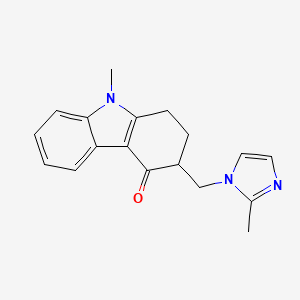
1 2D Structure

Ondansetron

2 Identification
2.1 Computed Descriptors
2.1.1 IUPAC Name
9-methyl-3-[(2-methylimidazol-1-yl)methyl]-2,3-dihydro-1H-carbazol-4-one
2.1.2 InChI
InChI=1S/C18H19N3O/c1-12-19-9-10-21(12)11-13-7-8-16-17(18(13)22)14-5-3-4-6-15(14)20(16)2/h3-6,9-10,13H,7-8,11H2,1-2H3
2.1.3 InChI Key
FELGMEQIXOGIFQ-UHFFFAOYSA-N
2.1.4 Canonical SMILES
CC1=NC=CN1CC2CCC3=C(C2=O)C4=CC=CC=C4N3C
2.2 Other Identifiers
2.2.1 UNII
4AF302ESOS
2.3 Synonyms
2.3.1 MeSH Synonyms

1. 4h-carbazol-4-one, 1,2,3,9-tetrahydro-9-methyl-3-((2-methyl-1h-imidazol-1-yl)methyl)-

2. Dihydrate, Ondansetron Monohydrochloride

3. Gr 38032f

4. Gr-38032f

5. Gr38032f

6. Hydrochloride, Ondansetron

7. Monohydrochloride Dihydrate, Ondansetron

8. Monohydrochloride, Ondansetron

9. Odt, Zofran

10. Ondansetron Hydrochloride

11. Ondansetron Monohydrochloride

12. Ondansetron Monohydrochloride Dihydrate

13. Ondansetron, (+,-)-isomer

14. Ondansetron, (r)-isomer

15. Ondansetron, (s)-isomer

16. Sn 307

17. Sn-307

18. Sn307

19. Zofran

20. Zofran Odt

2.3.2 Depositor-Supplied Synonyms

1. 99614-02-5

2. Zofran

3. Zudan

4. 9-methyl-3-((2-methyl-1h-imidazol-1-yl)methyl)-2,3-dihydro-1h-carbazol-4(9h)-one

5. Zofran Odt

6. Zuplenz

7. 116002-70-1

8. 9-methyl-3-[(2-methylimidazol-1-yl)methyl]-2,3-dihydro-1h-carbazol-4-one

9. Gr 38032

10. A04aa01

11. 4af302esos

12. 9-methyl-3-[(2-methyl-1h-imidazol-1-yl)methyl]-2,3,4,9-tetrahydro-1h-carbazol-4-one

13. Chebi:7773

14. 99614-01-4

15. Eur-1025

16. 1,2,3,9-tetrahydro-9-methyl-3-((2-methyl-1h-imidazol-1-yl)methyl)-4h-carbazol-4-one

17. 9-methyl-3-[(2-methyl-1h-imidazol-1-yl)methyl]-1,2,3,9-tetrahydro-4h-carbazol-4-one

18. Nsc-757870

19. Ncgc00179341-02

20. Dsstox_cid_3393

21. 1,2,3,9-tetrahydro-9-methyl-3-[(2-methyl-1h-imidazol-1-yl)methyl]-4h-carbazol-4-one

22. 9-methyl-3-((2-methyl-1h-imidazol-1-yl)methyl)-1,2,3,9-tetrahydro-4h-carbazol-4-one

23. Dsstox_rid_77011

24. Dsstox_gsid_23393

25. Gr 38032 (hydrochloride);sn 307 (hydrochloride)

26. Ondansetron (zofran)

27. Gr 38032x

28. Cas-99614-02-5

29. Ondansetron Injection

30. Zofran Odt (tn)

31. Gr-c507/75

32. Desmethylondansetron

33. Unii-4af302esos

34. Brn 3622981

35. Ondansetron (jan/usp/inn)

36. Ondansetron [usp:inn:ban]

37. Sr-01000763250

38. Ondansetron (base And/or Unspecified Salts)

39. Chembl46

40. Ondansetron [mi]

41. 9-methyl-3-((2-methyl-1h-imidazol-1-yl)methyl)-1,2,3,9-tetrahydro-4h-carbazol-4-one Hydrochloride Dihydrate

42. Prestwick0_001058

43. Prestwick1_001058

44. Prestwick2_001058

45. Prestwick3_001058

46. Ondansetron [inn]

47. Ondansetron [jan]

48. Odansetron [common Misspelling Of Ondansetron]

49. Ondansetron [vandf]

50. Schembl4542

51. Timtec1_001750

52. (rs)-1,2,3,9-tetrahydro-9-methyl-3-(2-methylimidazol-1-ylmethyl)carbazol-4-one

53. Ondansetron [mart.]

54. Oprea1_435466

55. Oprea1_852372

56. Bspbio_001016

57. Cbdive_008994

58. Ondansetron [usp-rs]

59. Ondansetron [who-dd]

60. Mls006011928

61. Spbio_002938

62. Bpbio1_001118

63. Gtpl2290

64. Dtxsid8023393

65. Bdbm85330

66. Hsdb 8304

67. Hy-b0002b

68. Ondansetron [orange Book]

69. (3s)-9-methyl-3-[(2-methylimidazol-1-yl)methyl]-2,3-dihydro-1h-carbazol-4-one

70. Hms2090h16

71. Hms3259h08

72. Hms3371e18

73. Ondansetron [usp Monograph]

74. Act02589

75. Bcp28911

76. Tox21_113048

77. Cas_68647

78. Mfcd00833882

79. Nsc_68647

80. Nsc791005

81. S1996

82. Stk370548

83. Akos000599484

84. Akos016340526

85. Tox21_113048_1

86. Bcp9001025

87. Db00904

88. Gr38032

89. Ks-5227

90. Nc00706

91. Nsc 757870

92. Nsc-791005

93. 1,2,3,4-tetrahydro-9-methyl-3-(2-methyl-1h-imidazol-1-ylmethyl)carbazol-4-one

94. 1,2,3,9-tetrahydro-9-methyl-3-[(2-methyl-1h-imidazol-1-yl)methyl]-4h- Carbazol-4-one

95. 4h-carbazol-4-one, 1,2,3,9-tetrahydro-9-methyl-3-((2-methyl-1h-imidazol-1-yl)methyl)-

96. Ncgc00179341-04

97. Ncgc00179341-07

98. Ncgc00179341-12

99. Ac-28927

100. Gr-38032

101. Nci60_022780

102. Smr001307702

103. Gr-38032f/gr-38032

104. Ondansetron(base And/or Unspecified Salts)

105. Gr 38032f;gr-c507/75

106. Ab00373674

107. Ft-0631004

108. 39o049

109. C07325

110. D00456

111. Ab00373674-15

112. Ab00373674-17

113. Ab00373674_18

114. Ab00373674_19

115. L000456

116. Q410011

117. Sr-01000763250-4

118. Brd-a19736161-001-01-8

119. Brd-a19736161-003-03-0

120. Z1741971217

121. (+/-)-2,3-dihydro-9-methyl-3-((2-methylimidazol-1-yl)methyl)carbazol-4(1h)-one

122. 1,2,3,9,-tetrahydro-9-methyl-3-[(2-methyl-1h-imidazol-1-yl)methyl]-4h-carbazol-4-one

123. 1,2,3,9-tetrahydro-9-methyl-3-[(2-methyl-1h-imidazol-1yl)methyl]-4h-carbazol-4-one

124. 1,2,3,9-tetrahydro-9-methyl-3-[(2-methyl-1h-imidazole-1 -yl)methyl]-4h-carbazol-4-one

125. 1,2,3,9-tetrahydro-9-methyl-3-[(2-methyl-1h-imidazole-1-yl)methyl]-4h-carbazol-4-one

126. 4h-carbazol-4-one,?1,2,3,9-tetrahydro-9-methyl-3-[(2-methyl-1h-imidazol-1-yl)methyl]-

127. 9-methyl-3- (2-methyl-imidazol-1ylmethyl)-1,2,3,9-tetrahydro-carbazol-4-one

128. 9-methyl-3-[(2-methyl-1h-imidazolyl)methyl]-1,2,3,9-tetrahydro-4h-carbazole-4-one

129. 9-methyl-3-[(2-methylimidazol-1-yl)methyl]-2,3-dihydro-1~{h}-carbazol-4-one

130. 4h-carbazol-4-one, 1,2,3,9-tetrahydro-9-methyl-3-((2-methyl-1h-imidazol-1-yl)methyl)- (+/-)-

2.4 Create Date
2005-03-25
3 Chemical and Physical Properties
Molecular Weight 293.4 g/mol
Molecular Formula C18H19N3O
XLogP32.3
Hydrogen Bond Donor Count0
Hydrogen Bond Acceptor Count2
Rotatable Bond Count2
Exact Mass293.152812238 g/mol
Monoisotopic Mass293.152812238 g/mol
Topological Polar Surface Area39.8 Ų
Heavy Atom Count22
Formal Charge0
Complexity440
Isotope Atom Count0
Defined Atom Stereocenter Count0
Undefined Atom Stereocenter Count1
Defined Bond Stereocenter Count0
Undefined Bond Stereocenter Count0
Covalently Bonded Unit Count1
4 Drug and Medication Information
4.1 Drug Information
1 of 8  
Drug NameOndansetron
PubMed HealthOndansetron
Drug ClassesAntiemetic
Drug LabelDESCRIPTIONThe active ingredient in ondansetron hydrochloride tablets is ondansetron hydrochloride (HCl) USP as the dihydrate, the racemic form of ondansetron and a selective blocking agent of the serotonin 5-HT3 receptor type. Chemically it is ()...
Active IngredientOndansetron
Dosage FormInjectable; Tablet, orally disintegrating
Routeinjection; Oral
Strength8mg; 4mg/2ml; 4mg
Market StatusPrescription
CompanyRanbaxy; Teva; Aurobindo Pharma; Sun Pharm Inds; Sandoz; Glenmark Generics; Luitpold; Mylan; Barr

2 of 8  
Drug NameZofran
PubMed HealthOndansetron (Injection)
Drug ClassesAntiemetic
Drug LabelThe active ingredient in ZOFRAN Tablets and ZOFRAN Oral Solution is ondansetron hydrochloride (HCl) as the dihydrate, the racemic form of ondansetron and a selective blocking agent of the serotonin 5-HT3 receptor type. Chemically it is (1, 2, 3, 9-te...
Active IngredientOndansetron hydrochloride
Dosage FormTablet; Injectable; Solution
RouteInjection; Oral
Strengtheq 4mg base; eq 2mg base/ml; eq 4mg base/5ml; eq 24mg base; eq 8mg base
Market StatusPrescription
CompanyGlaxosmithkline

3 of 8  
Drug NameZofran odt
PubMed HealthOndansetron
Drug ClassesAntiemetic
Drug LabelThe active ingredient in ZOFRAN Tablets and ZOFRAN Oral Solution is ondansetron hydrochloride (HCl) as the dihydrate, the racemic form of ondansetron and a selective blocking agent of the serotonin 5-HT3 receptor type. Chemically it is () 1, 2,...
Active IngredientOndansetron
Dosage FormTablet, orally disintegrating
RouteOral
Strength8mg; 4mg
Market StatusPrescription
CompanyGlaxosmithkline

4 of 8  
Drug NameZuplenz
PubMed HealthOndansetron (By mouth)
Drug ClassesAntiemetic
Drug LabelZUPLENZ (ondansetron) oral soluble film is a white opaque orally dissolving film designed to be applied on top of the tongue where it will dissolve in 4 to 20 seconds and then is swallowed with saliva.ZUPLENZ does not require water to aid dissolution...
Active IngredientOndansetron
Dosage FormFilm
RouteOral
Strength8mg; 4mg
Market StatusPrescription
CompanyGalena Biopharma

5 of 8  
Drug NameOndansetron
PubMed HealthOndansetron
Drug ClassesAntiemetic
Drug LabelDESCRIPTIONThe active ingredient in ondansetron hydrochloride tablets is ondansetron hydrochloride (HCl) USP as the dihydrate, the racemic form of ondansetron and a selective blocking agent of the serotonin 5-HT3 receptor type. Chemically it is ()...
Active IngredientOndansetron
Dosage FormInjectable; Tablet, orally disintegrating
Routeinjection; Oral
Strength8mg; 4mg/2ml; 4mg
Market StatusPrescription
CompanyRanbaxy; Teva; Aurobindo Pharma; Sun Pharm Inds; Sandoz; Glenmark Generics; Luitpold; Mylan; Barr

6 of 8  
Drug NameZofran
PubMed HealthOndansetron (Injection)
Drug ClassesAntiemetic
Drug LabelThe active ingredient in ZOFRAN Tablets and ZOFRAN Oral Solution is ondansetron hydrochloride (HCl) as the dihydrate, the racemic form of ondansetron and a selective blocking agent of the serotonin 5-HT3 receptor type. Chemically it is (1, 2, 3, 9-te...
Active IngredientOndansetron hydrochloride
Dosage FormTablet; Injectable; Solution
RouteInjection; Oral
Strengtheq 4mg base; eq 2mg base/ml; eq 4mg base/5ml; eq 24mg base; eq 8mg base
Market StatusPrescription
CompanyGlaxosmithkline

7 of 8  
Drug NameZofran odt
PubMed HealthOndansetron
Drug ClassesAntiemetic
Drug LabelThe active ingredient in ZOFRAN Tablets and ZOFRAN Oral Solution is ondansetron hydrochloride (HCl) as the dihydrate, the racemic form of ondansetron and a selective blocking agent of the serotonin 5-HT3 receptor type. Chemically it is () 1, 2,...
Active IngredientOndansetron
Dosage FormTablet, orally disintegrating
RouteOral
Strength8mg; 4mg
Market StatusPrescription
CompanyGlaxosmithkline

8 of 8  
Drug NameZuplenz
PubMed HealthOndansetron (By mouth)
Drug ClassesAntiemetic
Drug LabelZUPLENZ (ondansetron) oral soluble film is a white opaque orally dissolving film designed to be applied on top of the tongue where it will dissolve in 4 to 20 seconds and then is swallowed with saliva.ZUPLENZ does not require water to aid dissolution...
Active IngredientOndansetron
Dosage FormFilm
RouteOral
Strength8mg; 4mg
Market StatusPrescription
CompanyGalena Biopharma

4.2 Therapeutic Uses

/CLINICAL TRIALS/ ClinicalTrials.gov is a registry and results database of publicly and privately supported clinical studies of human participants conducted around the world. The Web site is maintained by the National Library of Medicine (NLM) and the National Institutes of Health (NIH). Each ClinicalTrials.gov record presents summary information about a study protocol and includes the following: Disease or condition; Intervention (for example, the medical product, behavior, or procedure being studied); Title, description, and design of the study; Requirements for participation (eligibility criteria); Locations where the study is being conducted; Contact information for the study locations; and Links to relevant information on other health Web sites, such as NLM's MedlinePlus for patient health information and PubMed for citations and abstracts for scholarly articles in the field of medicine. Ondansetron is included in the database.

NIH/NLM; ClinicalTrials.Gov. Available from, as of March 17, 2016: https://clinicaltrials.gov/ct2/results?term=Ondansetron&Search=Search


Prevention of nausea and vomiting associated with highly emetogenic cancer chemotherapy, including cisplatin ... . /Included in US product label/

NIH; DailyMed. Current Medication Information for Zofran (Ondansetron Hydrochloride) Solution; Zofran ODT (Ondansetron) Table, Orally Disintegrating; Zofran (Ondansetron Hydrochloride) Tablet, Film Coated (Updated: October 2014). Available from, as of January 20, 2016: https://dailymed.nlm.nih.gov/dailymed/drugInfo.cfm?setid=c7d61d98-fe86-4340-9b86-47eb92acaa0e


Prevention of nausea and vomiting associated with initial and repeat courses of moderately emetogenic cancer chemotherapy. /Included in US product label/

NIH; DailyMed. Current Medication Information for Zofran (Ondansetron Hydrochloride) Solution; Zofran ODT (Ondansetron) Table, Orally Disintegrating; Zofran (Ondansetron Hydrochloride) Tablet, Film Coated (Updated: October 2014). Available from, as of January 20, 2016: https://dailymed.nlm.nih.gov/dailymed/drugInfo.cfm?setid=c7d61d98-fe86-4340-9b86-47eb92acaa0e


Prevention of nausea and vomiting associated with radiotherapy in patients receiving either total body irradiation, single high-dose fraction to the abdomen, or daily fractions to the abdomen. /Included in US product label/

NIH; DailyMed. Current Medication Information for Zofran (Ondansetron Hydrochloride) Solution; Zofran ODT (Ondansetron) Table, Orally Disintegrating; Zofran (Ondansetron Hydrochloride) Tablet, Film Coated (Updated: October 2014). Available from, as of January 20, 2016: https://dailymed.nlm.nih.gov/dailymed/drugInfo.cfm?setid=c7d61d98-fe86-4340-9b86-47eb92acaa0e


For more Therapeutic Uses (Complete) data for Ondansetron (7 total), please visit the HSDB record page.


4.3 Drug Warning

Because of the risk of QT-interval prolongation, ondansetron should be avoided in patients with congenital long QT syndrome. ECG monitoring is recommended in patients with electrolyte abnormalities such as hypokalemia or hypomagnesemia, congestive heart failure, or bradyarrhythmias and in those receiving other drugs known to prolong the QT interval. Electrolyte abnormalities should be corrected prior to IV administration of ondansetron. Because effects of ondansetron on the QT interval are dose related, use of single IV doses exceeding 16 mg should be avoided. Patients receiving ondansetron should be advised to seek immediate medical care if feelings of faintness, lightheadedness, irregular heartbeat, shortness of breath, or dizziness occur.

American Society of Health-System Pharmacists 2015; Drug Information 2015. Bethesda, MD. 2015, p. 2910


Based on reports of profound hypotension and loss of consciousness when apomorphine was administered with ondansetron, concomitant use of apomorphine with ondansetron is contraindicated

NIH; DailyMed. Current Medication Information for Zofran (Ondansetron Hydrochloride) Solution; Zofran ODT (Ondansetron) Table, Orally Disintegrating; Zofran (Ondansetron Hydrochloride) Tablet, Film Coated (Updated: October 2014). Available from, as of January 21, 2016: https://dailymed.nlm.nih.gov/dailymed/drugInfo.cfm?setid=c7d61d98-fe86-4340-9b86-47eb92acaa0e


Advise patients of the possibility of serotonin syndrome with concomitant use of Zofran and another serotonergic agent such as medications to treat depression and migraines. Advise patients to seek immediate medical attention if the following symptoms occur: changes in mental status, autonomic instability, neuromuscular symptoms with or without gastrointestinal symptoms.

NIH; DailyMed. Current Medication Information for Zofran (Ondansetron Hydrochloride) Solution; Zofran ODT (Ondansetron) Table, Orally Disintegrating; Zofran (Ondansetron Hydrochloride) Tablet, Film Coated (Updated: October 2014). Available from, as of January 21, 2016: https://dailymed.nlm.nih.gov/dailymed/drugInfo.cfm?setid=c7d61d98-fe86-4340-9b86-47eb92acaa0e


Seizures (including tonic-clonic seizures) have been reported rarely in patients receiving ondansetron.

American Society of Health-System Pharmacists 2015; Drug Information 2015. Bethesda, MD. 2015, p. 2909


For more Drug Warnings (Complete) data for Ondansetron (32 total), please visit the HSDB record page.


4.4 Drug Indication

In the adult patient population: i) orally administered ondansetron tablets and orally disintegrating tablets (ODT) are indicated for: - the prevention of nausea and vomiting associated with emetogenic cancer chemotherapy, including high dose (ie. greater than or equal to 50 mg/m2) cisplatin therapy, and radiotherapy, and - the prevention and treatment of postoperative nausea and vomiting ii) intravenously administered ondansetron injection formulations are indicated for: - the prevention of nausea and vomiting associated with emetogenic cancer chemotherapy, including high dose (ie. greater than or equal to 50 mg/m2) cisplatin therapy, and - the prevention and treatment of postoperative nausea and vomiting In the pediatric (4-18 years of age) patient population: i) ondansetron was effective and well tolerated when given to children 4-12 years of age for the treatment of post-chemotherapy induced nausea and vomiting, ii) ondansetron tablets, ondansetron ODT, ondansetron injection are not indicated for the treatment of children 3 years of age or younger, iii) ondansetron tablets, ondansetron ODT, ondansetron injection are not indicated for use in any age group of the pediatric population for the treatment of post-radiotherapy induced nausea and vomiting, and iV) ondansetron tablets, ondansetron ODT, ondansetron injection are not indicated for use in any age group of the pediatric population for the treatment of postoperative nausea and vomiting In the geriatric (>65 years of age) patient population: i) efficacy and tolerance of ondansetron were similar to that observed in younger adults for the treatment of post-chemotherapy and radiotherapy-induced nausea and vomiting, and ii) clinical experience in the use of ondansetron in the prevention and treatment of postoperative nausea and vomiting is limited and is not indicated for use in the geriatric patient population


FDA Label


5 Pharmacology and Biochemistry
5.1 Pharmacology

Ondansetron is a highly specific and selective serotonin 5-HT3 receptor antagonist, not shown to have activity at other known serotonin receptors and with low affinity for dopamine receptors,. The serotonin 5-HT3 receptors are located on the nerve terminals of the vagus in the periphery, and centrally in the chemoreceptor trigger zone of the area postrema,. The temporal relationship between the emetogenic action of emetogenic drugs and the release of serotonin, as well as the efficacy of antiemetic agents, suggest that chemotherapeutic agents release serotonin from the enterochromaffin cells of the small intestine by causing degenerative changes in the GI tract,. The serotonin then stimulates the vagal and splanchnic nerve receptors that project to the medullary vomiting center, as well as the 5-HT3 receptors in the area postrema, thus initiating the vomiting reflex, causing nausea and vomiting,. Moreover, the effect of ondansetron on the QTc interval was evaluated in a double-blind, randomized, placebo and positive (moxifloxacin) controlled, crossover study in 58 healthy adult men and women. Ondansetron was tested at single doses of 8 mg and 32 mg infused intravenously over 15 minutes. At the highest tested dose of 32 mg, prolongation of the Fridericia-corrected QTc interval (QT/RR0.33=QTcF) was observed from 15 min to 4 h after the start of the 15 min infusion, with a maximum mean (upper limit of 90% CI) difference in QTcF from placebo after baseline-correction of 19.6 (21.5) msec at 20 min. At the lower tested dose of 8 mg, QTc prolongation was observed from 15 min to 1 h after the start of the 15-minute infusion, with a maximum mean (upper limit of 90% CI) difference in QTcF from placebo after baseline-correction of 5.8 (7.8) msec at 15 min. The magnitude of QTc prolongation with ondansetron is expected to be greater if the infusion rate is faster than 15 minutes. The 32 mg intravenous dose of ondansetron must not be administered. No treatment-related effects on the QRS duration or the PR interval were observed at either the 8 or 32 mg dose. An ECG assessment study has not been performed for orally administered ondansetron. On the basis of pharmacokinetic-pharmacodynamic modelling, an 8 mg oral dose of ondansetron is predicted to cause a mean QTcF increase of 0.7 ms (90% CI -2.1, 3.3) at steady-state, assuming a mean maximal plasma concentration of 24.7 ng/mL (95% CI 21.1, 29.0). The magnitude of QTc prolongation at the recommended 5 mg/m2 dose in pediatrics has not been studied, but pharmacokinetic-pharmacodynamic modeling predicts a mean increase of 6.6 ms (90% CI 2.8, 10.7) at maximal plasma concentrations. In healthy subjects, single intravenous doses of 0.15 mg/kg of ondansetron had no effect on esophageal motility, gastric motility, lower esophageal sphincter pressure, or small intestinal transit time. Multiday administration of ondansetron has been shown to slow colonic transit in healthy subjects. Ondansetron has no effect on plasma prolactin concentrations.


5.2 MeSH Pharmacological Classification

Antiemetics

Drugs used to prevent NAUSEA or VOMITING. (See all compounds classified as Antiemetics.)


Antipruritics

Agents, usually topical, that relieve itching (pruritus). (See all compounds classified as Antipruritics.)


Serotonin 5-HT3 Receptor Antagonists

Drugs that bind to but do not activate SEROTONIN 5-HT3 RECEPTORS, thereby blocking the actions of SEROTONIN or SEROTONIN 5-HT3 RECEPTOR AGONISTS. (See all compounds classified as Serotonin 5-HT3 Receptor Antagonists.)


5.3 FDA Pharmacological Classification
5.3.1 Active Moiety
ONDANSETRON
5.3.2 FDA UNII
4AF302ESOS
5.3.3 Pharmacological Classes
Serotonin-3 Receptor Antagonist [EPC]; Serotonin 3 Receptor Antagonists [MoA]
5.4 ATC Code

A04AA01

S76 | LUXPHARMA | Pharmaceuticals Marketed in Luxembourg | Pharmaceuticals marketed in Luxembourg, as published by d'Gesondheetskeess (CNS, la caisse nationale de sante, www.cns.lu), mapped by name to structures using CompTox by R. Singh et al. (in prep.). List downloaded from https://cns.public.lu/en/legislations/textes-coordonnes/liste-med-comm.html. Dataset DOI:10.5281/zenodo.4587355


A - Alimentary tract and metabolism

A04 - Antiemetics and antinauseants

A04A - Antiemetics and antinauseants

A04AA - Serotonin (5ht3) antagonists

A04AA01 - Ondansetron


5.5 Absorption, Distribution and Excretion

Absorption

Ondansetron is absorbed from the gastrointestinal tract and undergoes some limited first-pass metabolism. Mean bioavailability in healthy subjects, following administration of a single 8-mg tablet, was recorded as being approximately 56% to 60%. Bioavailability is also slightly enhanced by the presence of food. Ondansetron systemic exposure does not increase proportionately to dose. The AUC from a 16-mg tablet was 24% greater than predicted from an 8-mg tablet dose. This may reflect some reduction of first-pass metabolism at higher oral doses.


Route of Elimination

Following oral or IV administration, ondansetron is extensively metabolised and excreted in the urine and faeces.


Volume of Distribution

The volume of distribution of ondansetron has been recorded as being approximately 160L.


Clearance

The clearance values determined for ondansetron in various patient age groups were recorded as approximately 0.38 L/h/kg in normal adult volunteers aged 19-40 yrs, 0.32 L/h/kg in normal adult volunteers aged 61-74 yrs, 0.26 L/h/kg in normal adult volunteers aged >=75 yrs.


Ondansetron is a 5-HT3 receptor antagonist that is an effective anti-emetic in cats. The purpose of this study was to evaluate the pharmacokinetics of ondansetron in healthy cats. Six cats with normal complete blood count, serum biochemistry, and urinalysis received 2 mg oral (mean 0.43 mg/kg), subcutaneous (mean 0.4 mg/kg), and intravenous (mean 0.4 mg/kg) ondansetron in a cross-over manner with a 5-day wash out. Serum was collected prior to, and at 0.25, 0.5, 1, 2, 4, 8, 12, 18, and 24 hr after administration of ondansetron. Ondansetron concentrations were measured using liquid chromatography coupled to tandem mass spectrometry. Noncompartmental pharmacokinetic modeling and dose interval modeling were performed. Repeated measures anova was used to compare parameters between administration routes. Bioavailability of ondansetron was 32% (oral) and 75% (subcutaneous). Calculated elimination half-life of ondansetron was 1.84 + or - 0.58 hr (intravenous), 1.18 + or - 0.27 hr (oral) and 3.17 + or - 0.53 hr (subcutaneous). The calculated elimination half-life of subcutaneous ondansetron was significantly longer (P < 0.05) than oral or intravenous administration. Subcutaneous administration of ondansetron to healthy cats is more bioavailable and results in a more prolonged exposure than oral administration. This information will aid management of emesis in feline patients.

PMID:24330064 Full text: https://www.ncbi.nlm.nih.gov/pmc/articles/PMC4059788 Quimby JM et al; J Vet Pharmacol Ther 37 (4): 348-53 (2014)


Nausea and vomiting are some of the major side effects caused by certain drug therapies, e.g. chemotherapy, radiotherapy and general anesthesia. Because of the nature of the symptoms, oral delivery is inappropriate, while intravenous administration may be unpractical. The aim of the present study was to develop a transdermal gel (2% Klucel) for ondansetron, a first line 5-HT3-receptor-antagonist antiemetic. The effects of the penetration enhancer camphor and isopropyl-myristate (IPM) were first investigated in-vitro using modified Franz diffusion-cells and then tested in-vivo in a rabbit model by measuring skin and plasma concentrations. Since a disadvantage of transdermal delivery is a prolonged lag-time, the effect of skin treatment with a micro-needle roller was tested. The in-vitro permeation studies through excised porcine ear skin showed that the presence of 2.5% camphor or IPM increased steady state flux by 1.2- and 2.5-fold, respectively, compared to the control gel. Ondansetron was not detectable in either skin or plasma following in-vivo application of the base-gel, whereas the camphor gel and IPM gel delivered 20 and 81 ug/sq cm of ondansetron, respectively. Microporation led to an increase in plasma Cmax and AUC by 10.47 + or - 1.68-fold and 9.31 + or - 4.91-fold, respectively, for the camphor gel, and by 2.31 + or -0.53-fold and 1.59 + or - 0.38-fold, respectively for the IPM gel. In conclusion, the 2.5% IPM gel demonstrated optimal in-vivo transdermal flux. Skin pretreatment with a micro-needle roller slightly improved the delivery of the IPM gel, whereas dramatically increased the transdermal delivery of the camphor gel.

PMID:24919508 Patel DR et al; Drug Dev Ind Pharm 41 (6): 1030-6 (2015)


Ondansetron is a potent antiemetic drug that has been commonly used to treat acute and chemotherapy-induced nausea and vomiting (CINV) in dogs. The aim of this study was to perform a pharmacokinetic analysis of ondansetron in dogs following oral administration of a single dose. A single 8-mg oral dose of ondansetron was administered to beagles (n = 18), and the plasma concentrations of ondansetron were measured by liquid chromatography-tandem mass spectrometry. The data were analyzed by modeling approaches using ADAPT5, and model discrimination was determined by the likelihood-ratio test. The peak plasma concentration (Cmax ) was 11.5 +/- 10.0 ng/mL at 1.1 +/- 0.8 hr. The area under the plasma concentration vs. time curve from time zero to the last measurable concentration was 15.9 +/- 14.7 ng hr/mL, and the half-life calculated from the terminal phase was 1.3 +/- 0.7 hr. The interindividual variability of the pharmacokinetic parameters was high (coefficient of variation > 44.1%), and the one-compartment model described the pharmacokinetics of ondansetron well. The estimated plasma concentration range of the usual empirical dose from the Monte Carlo simulation was 0.1-13.2 ng/mL. These findings will facilitate determination of the optimal dose regimen for dogs with CINV.

PMID:25131428 Baek IH et al; J Vet Pharmacol Ther 38 (2): 199-202 (2015)


Ondansetron is the drug of choice to prevent nausea in women undergoing cesarean surgery and can be used to prevent neonatal abstinence syndrome (NAS). The pharmacokinetics of ondansetron have not been characterized in pregnant women or in newborns. A nonlinear mixed-effects modeling approach was used to analyze plasma samples obtained from 20 nonpregnant and 40 pregnant women following a single administration of 4 or 8 mg ondansetron, from umbilical cord blood at delivery, and from neonates after birth. The analysis indicates that: ondansetron disposition is not affected by pregnancy (P > 0.05), but influenced by dose (P < 0.05), and is characterized by rapid transplacental transfer and longer elimination half-life in neonates compared to their mother. A dosing regimen for prevention of NAS was designed based on the model. The regimen involves IV administration of 4 mg to the mothers shortly before cord clamping, or oral administration of 0.07 mg/kg (or equivalently 0.04 mg/kg IV) to neonates.

PMID:25670522 Full text: https://www.ncbi.nlm.nih.gov/pmc/articles/PMC4325425 Elkomy MH et al; Clin Pharmacol Ther 97 (2): 167-76 (2015)


For more Absorption, Distribution and Excretion (Complete) data for Ondansetron (8 total), please visit the HSDB record page.


5.6 Metabolism/Metabolites

In vitro metabolism studies have shown that ondansetron is a substrate for human hepatic cytochrome P450 enzymes, including CYP1A2, CYP2D6 and CYP3A4. In terms of overall ondansetron turnover, CYP3A4 played the predominant role. Because of the multiplicity of metabolic enzymes capable of metabolizing ondansetron, it is likely that inhibition or loss of one enzyme (e.g. CYP2D6 enzyme deficiency) will be compensated by others and may result in little change in overall rates of ondansetron clearance. Following oral or IV administration, ondansetron is extensively metabolised and excreted in the urine and faeces. In humans, less than 10% of the dose is excreted unchanged in the urine. The major urinary metabolites are glucuronide conjugates (45%), sulphate conjugates (20%) and hydroxylation products (10%). The primary metabolic pathway is subsequently hydroxylation on the indole ring followed by subsequent glucuronide or sulfate conjugation. Although some nonconjugated metabolites have pharmacologic activity, these are not found in plasma at concentrations likely to significantly contribute to the biological activity of ondansetron.


Ondansetron is extensively metabolized in humans, with approximately 5% of a radiolabeled dose recovered as the parent compound from the urine. The primary metabolic pathway is hydroxylation on the indole ring followed by subsequent glucuronide or sulfate conjugation. Although some nonconjugated metabolites have pharmacologic activity, these are not found in plasma at concentrations likely to significantly contribute to the biological activity of ondansetron.

NIH; DailyMed. Current Medication Information for Zofran (Ondansetron Hydrochloride) Solution; Zofran ODT (Ondansetron) Table, Orally Disintegrating; Zofran (Ondansetron Hydrochloride) Tablet, Film Coated (Updated: October 2014). Available from, as of January 26, 2016: https://dailymed.nlm.nih.gov/dailymed/drugInfo.cfm?setid=c7d61d98-fe86-4340-9b86-47eb92acaa0e


Ondansetron has known human metabolites that include 6-hydroxy-ondansetron, 7-hydroxy-ondansetron, and 8-hydroxy-ondansetron.

S73 | METXBIODB | Metabolite Reaction Database from BioTransformer | DOI:10.5281/zenodo.4056560


5.7 Biological Half-Life

The half-life of ondansetron after either an 8 mg oral dose or intravenous dose was approximately 3-4 hours and could be extended to 6-8 hours in the elderly.


In humans ... elimination half lives are approximately 3-4 hours, but are prolonged in elderly patients.

Plumb D.C. Veterinary Drug Handbook. 8th ed. (pocket). Ames, IA: Wiley-Blackwell, 2015., p. 1071


... Six cats with normal complete blood count, serum biochemistry, and urinalysis received 2 mg oral (mean 0.43 mg/kg), subcutaneous (mean 0.4 mg/kg), and intravenous (mean 0.4 mg/kg) ondansetron in a cross-over manner with a 5-day wash out. Serum was collected prior to, and at 0.25, 0.5, 1, 2, 4, 8, 12, 18, and 24 hr after administration of ondansetron. ... Calculated elimination half-life of ondansetron was 1.84 + or - 0.58 hr (intravenous), 1.18 + or - 0.27 hr (oral) and 3.17 + or - 0.53 hr (subcutaneous). The calculated elimination half-life of subcutaneous ondansetron was significantly longer (P < 0.05) than oral or intravenous administration. ...

PMID:24330064 Full text: https://www.ncbi.nlm.nih.gov/pmc/articles/PMC4059788 Quimby JM et al; J Vet Pharmacol Ther 37 (4): 348-53 (2014)


... A single 8-mg oral dose of ondansetron was administered to beagles (n = 18), ... and the half-life calculated from the terminal phase was 1.3 +/- 0.7 hr. ...

PMID:25131428 Baek IH et al; J Vet Pharmacol Ther 38 (2): 199-202 (2015)


5.8 Mechanism of Action

Ondansetron is a selective antagonist of the serotonin receptor subtype, 5-HT3. Cytotoxic chemotherapy and radiotherapy are associated with the release of serotonin (5-HT) from enterochromaffin cells of the small intestine, presumably initiating a vomiting reflex through stimulation of 5-HT3 receptors located on vagal afferents. Ondansetron may block the initiation of this reflex. Activation of vagal afferents may also cause a central release of serotonin from the chemoreceptor trigger zone of the area postrema, located on the floor of the fourth ventricle. Thus, the antiemetic effect of ondansetron is probably due to the selective antagonism of 5-HT3 receptors on neurons located in either the peripheral or central nervous systems, or both. Although the mechanisms of action of ondansetron in treating postoperative nausea and vomiting and cytotoxic induced nausea and vomiting may share similar pathways, the role of ondansetron in opiate-induced emesis has not yet been formally established.


DRUG PRODUCT COMPOSITIONS

Do you need Business Intel? Ask us

DOSAGE - TABLET, ORALLY DISINTEGRATING;ORAL -...DOSAGE - TABLET, ORALLY DISINTEGRATING;ORAL - 4MG **Federal Register determination that product was not discontinued or withdrawn for safety or effectiveness reasons**

USFDA APPLICATION NUMBER - 20781

read-more

DOSAGE - TABLET, ORALLY DISINTEGRATING;ORAL -...DOSAGE - TABLET, ORALLY DISINTEGRATING;ORAL - 8MG **Federal Register determination that product was not discontinued or withdrawn for safety or effectiveness reasons**

USFDA APPLICATION NUMBER - 20781

read-more

DOSAGE - FILM;ORAL - 4MG

USFDA APPLICATION NUMBER - 22524

read-more

DOSAGE - FILM;ORAL - 8MG

USFDA APPLICATION NUMBER - 22524

read-more

Related Excipient Companies

Upload your portfolio for free, ask us

Excipients by Applications

Click here to find the perfect excipient manufacturers by their capabilities

Fillers, Diluents & Binders

read-more
read-more

Coating Systems & Additives

read-more
read-more

Direct Compression

read-more
read-more

Disintegrants & Superdisintegrants

read-more
read-more

Granulation

read-more
read-more

Taste Masking

read-more
read-more

Thickeners and Stabilizers

read-more
read-more

Chewable & Orodispersible Aids

read-more
read-more

Lubricants & Glidants

read-more
read-more

Controlled & Modified Release

read-more
read-more

Solubilizers

read-more
read-more

Parenteral

read-more
read-more

Film Formers & Plasticizers

read-more
read-more

Co-Processed Excipients

read-more
read-more

Topical

read-more
read-more

API Stability Enhancers

read-more
read-more

Empty Capsules

read-more
read-more

Emulsifying Agents

read-more
read-more

Rheology Modifiers

read-more
read-more

Vegetarian Capsules

read-more
read-more

Surfactant & Foaming Agents

read-more
read-more

Coloring Agents

read-more
read-more

Soft Gelatin

read-more
read-more

Digital Content read-more

Create Content with PharmaCompass, ask us

NEWS #PharmaBuzz

read-more
read-more

Global Sales Information

Do you need Business Intel? Ask us

Market Place

Do you need sourcing support? Ask us

Patents & EXCLUSIVITIES

Check the patents & exclusivity for this product

REF. STANDARDS & IMPURITIES

Upload your portfolio for free, ask us

ANALYTICAL

Upload your methods for free, ask us

ABOUT THIS PAGE

Looking for 99614-02-5 / Ondansetron API manufacturers, exporters & distributors?

Ondansetron manufacturers, exporters & distributors 1

87

PharmaCompass offers a list of Ondansetron API manufacturers, exporters & distributors, which can be sorted by GMP, USDMF, JDMF, KDMF, CEP (COS), WC, Price,and more, enabling you to easily find the right Ondansetron manufacturer or Ondansetron supplier for your needs.

Send us enquiries for free, and we will assist you in establishing a direct connection with your preferred Ondansetron manufacturer or Ondansetron supplier.

PharmaCompass also assists you with knowing the Ondansetron API Price utilized in the formulation of products. Ondansetron API Price is not always fixed or binding as the Ondansetron Price is obtained through a variety of data sources. The Ondansetron Price can also vary due to multiple factors, including market conditions, regulatory modifications, or negotiated pricing deals.

API | Excipient name

Ondansetron

Synonyms

99614-02-5, Zofran, Zudan, 9-methyl-3-((2-methyl-1h-imidazol-1-yl)methyl)-2,3-dihydro-1h-carbazol-4(9h)-one, Zofran odt, Zuplenz

Cas Number

99614-02-5

Unique Ingredient Identifier (UNII)

4AF302ESOS

About Ondansetron

A competitive serotonin type 3 receptor antagonist. It is effective in the treatment of nausea and vomiting caused by cytotoxic chemotherapy drugs, including cisplatin, and has reported anxiolytic and neuroleptic properties.

Zophren Manufacturers

A Zophren manufacturer is defined as any person or entity involved in the manufacture, preparation, processing, compounding or propagation of Zophren, including repackagers and relabelers. The FDA regulates Zophren manufacturers to ensure that their products comply with relevant laws and regulations and are safe and effective to use. Zophren API Manufacturers are required to adhere to Good Manufacturing Practices (GMP) to ensure that their products are consistently manufactured to meet established quality criteria.

click here to find a list of Zophren manufacturers with USDMF, JDMF, KDMF, CEP, GMP, COA and API Price related information on PhamaCompass.

Zophren Suppliers

A Zophren supplier is an individual or a company that provides Zophren active pharmaceutical ingredient (API) or Zophren finished formulations upon request. The Zophren suppliers may include Zophren API manufacturers, exporters, distributors and traders.

click here to find a list of Zophren suppliers with USDMF, JDMF, KDMF, CEP, GMP, COA and API Price related information on PharmaCompass.

Zophren USDMF

A Zophren DMF (Drug Master File) is a document detailing the whole manufacturing process of Zophren active pharmaceutical ingredient (API) in detail. Different forms of Zophren DMFs exist exist since differing nations have different regulations, such as Zophren USDMF, ASMF (EDMF), JDMF, CDMF, etc.

A Zophren DMF submitted to regulatory agencies in the US is known as a USDMF. Zophren USDMF includes data on Zophren's chemical properties, information on the facilities and procedures used, and details about packaging and storage. The Zophren USDMF is kept confidential to protect the manufacturer’s intellectual property.

click here to find a list of Zophren suppliers with USDMF on PharmaCompass.

Zophren KDMF

In Korea, the Ministry of Food and Drug Safety (MFDS) is in charge of regulating pharmaceutical products and services.

Pharmaceutical companies submit a Zophren Drug Master File in Korea (Zophren KDMF) to the MFDS, which includes comprehensive information about the production, processing, facilities, materials, packaging, and testing of Zophren. The MFDS reviews the Zophren KDMF as part of the drug registration process and uses the information provided in the Zophren KDMF to evaluate the safety and efficacy of the drug.

After submitting a Zophren KDMF to the MFDS, the registered manufacturer can provide importers or distributors with the registration number without revealing confidential information to Korean business partners. Applicants seeking to register their Zophren API can apply through the Korea Drug Master File (KDMF).

click here to find a list of Zophren suppliers with KDMF on PharmaCompass.

Zophren WC

A Zophren written confirmation (Zophren WC) is an official document issued by a regulatory agency to a Zophren manufacturer, verifying that the manufacturing facility of a Zophren active pharmaceutical ingredient (API) adheres to the Good Manufacturing Practices (GMP) regulations of the importing country. When exporting Zophren APIs or Zophren finished pharmaceutical products to another nation, regulatory agencies frequently require a Zophren WC (written confirmation) as part of the regulatory process.

click here to find a list of Zophren suppliers with Written Confirmation (WC) on PharmaCompass.

Zophren NDC

National Drug Code is a comprehensive database maintained by the FDA that contains information on all drugs marketed in the US. This directory includes information about finished drug products, unfinished drug products, and compounded drug products, including those containing Zophren as an active pharmaceutical ingredient (API).

Finished drug products

The FDA updates the NDC directory daily. The NDC numbers for Zophren API and other APIs are published in this directory by the FDA.

Unfinished drugs

The NDC unfinished drugs database includes product listing information submitted for all unfinished drugs, such as active pharmaceutical ingredients (APIs), drugs intended for further processing and bulk drug substances for compounding.

Pharmaceutical companies that manufacture Zophren as an active pharmaceutical ingredient (API) must furnish the FDA with an updated record of all drugs that they produce, prepare, propagate, compound, or process for commercial distribution in the US at their facilities.

Compounded drug products

The NDC directory also contains data on finished compounded human drug products that contain Zophren and are produced by outsourcing facilities. While these outsourcing facilities are not mandated to assign a Zophren NDC to their finished compounded human drug products, they may choose to do so.

click here to find a list of Zophren suppliers with NDC on PharmaCompass.

Zophren GMP

Zophren Active pharmaceutical ingredient (API) is produced in GMP-certified manufacturing facility.

GMP stands for Good Manufacturing Practices, which is a system used in the pharmaceutical industry to make sure that goods are regularly produced and monitored in accordance with quality standards. The FDA’s current Good Manufacturing Practices requirements are referred to as cGMP or current GMP which indicates that the company follows the most recent GMP specifications. The World Health Organization (WHO) has its own set of GMP guidelines, called the WHO GMP. Different countries can also set their own guidelines for GMP like China (Chinese GMP) or the EU (EU GMP).

PharmaCompass offers a list of Zophren GMP manufacturers, exporters & distributors, which can be sorted by USDMF, JDMF, KDMF, CEP (COS), WC, API price, and more, enabling you to easily find the right Zophren GMP manufacturer or Zophren GMP API supplier for your needs.

Zophren CoA

A Zophren CoA (Certificate of Analysis) is a formal document that attests to Zophren's compliance with Zophren specifications and serves as a tool for batch-level quality control.

Zophren CoA mostly includes findings from lab analyses of a specific batch. For each Zophren CoA document that a company creates, the USFDA specifies specific requirements, such as supplier information, material identification, transportation data, evidence of conformity and signature data.

Zophren may be tested according to a variety of international standards, such as European Pharmacopoeia (Zophren EP), Zophren JP (Japanese Pharmacopeia) and the US Pharmacopoeia (Zophren USP).


Inform the supplier about your product requirements, specifying if you need a product with particular monograph like EP (Ph. Eur.), USP, JP, BP, or any other quality. In addition, clarify whether you need hydrochloride (HCl), anhydricum, base, micronisatum or a specific level of purity. To find reputable suppliers, utilize the filters and select those certified by GMP, FDA, or any other certification as per your requirement.
For your convenience, we have listed synonyms and CAS numbers to help you find the best supplier. The use of synonyms and CAS numbers can be helpful in identifying potential suppliers, but it is crucial to note that they might not always indicate the exact same product. It is important to confirm the product details with the supplier before making a purchase to ensure that it meets your requirements.
Ask Us for Pharmaceutical Supplier and Partner
Ask Us, Find A Supplier / Partner
No Commissions, No Strings Attached, Get Connected for FREE

What are you looking for?

How can we help you?

The request can't be empty

Please read our Privacy Policy carefully

You must agree to the privacy policy

The name can't be empty
The company can't be empty.
The email can't be empty Please enter a valid email.
The mobile can't be empty