


NEWS
- Pharma & Biotech News #PharmaBuzz
- Weekly News Recap #Phispers
- Recent Product Approvals #GreenLight
- Quality Compliance Alerts #Warning!
- All News #Library
DRUGS & DEVELOPMENTS
MARKET INTEL by PharmaCompass

Create content with us, ask us

By PharmaCompass
2021-12-02
Impressions: 1,869 Article
In this week’s Phispers, we bring you updates on the new Covid-19 variant – Omicron – and how vaccine makers plan to tackle it.
As the new variant raised fear around the world, leading vaccine makers began testing the efficacy of their existing jabs against Omicron. While Pfizer said it expects its Covid-19 treatment pill to be effective against the variant as it is “designed with the fact that most mutations are coming in the spikes,” Moderna said it is planning to test three booster candidates against Omicron, along with a booster dose specific to the variant.
Moderna is likely to face a patent infringement lawsuit over its messenger RNA-based Covid-19 vaccine after a US federal appeals court rejected its challenge to patents belonging to Arbutus Biopharma.
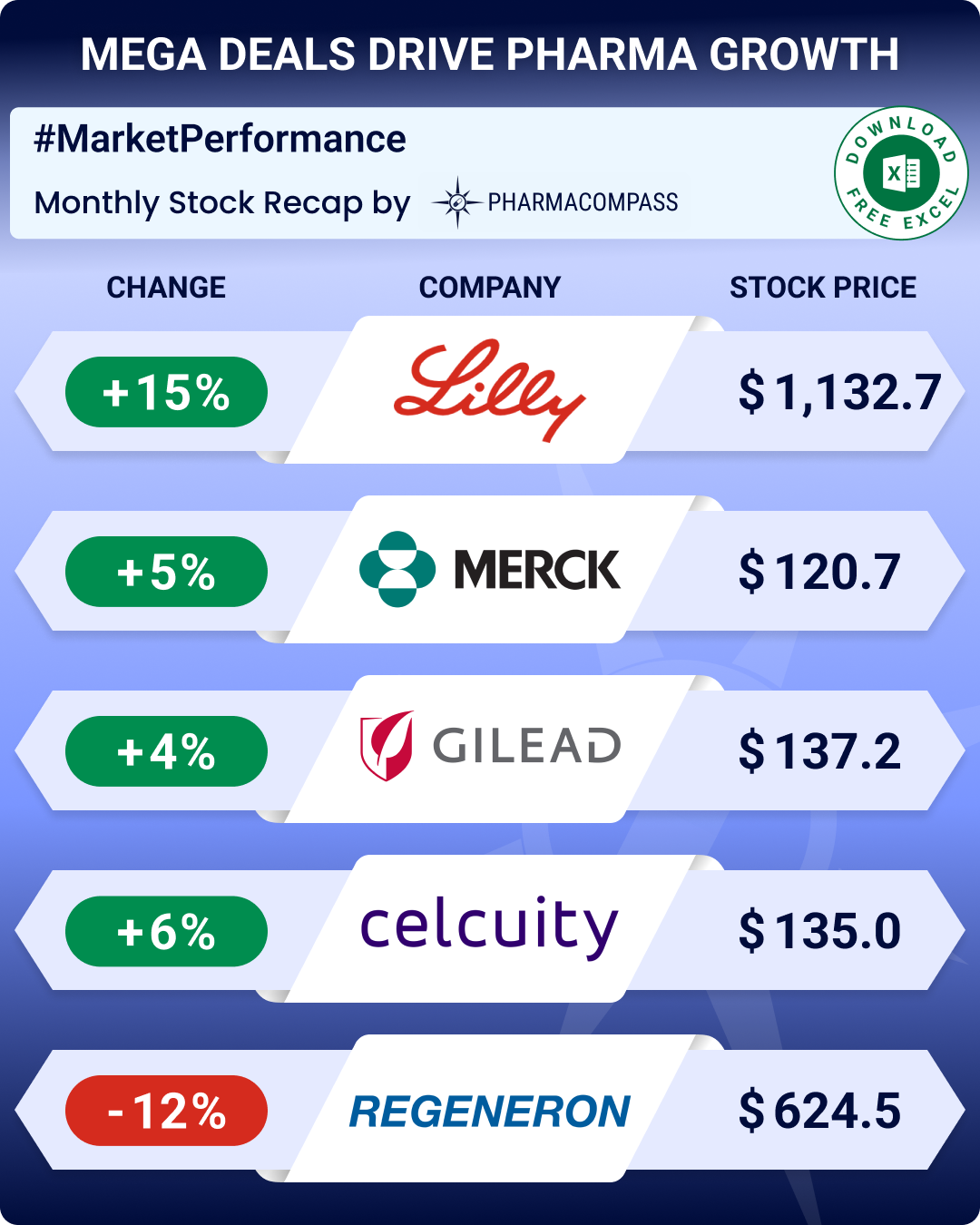
Merck’s antiviral pill molnupiravir received a go-ahead from an FDA advisory committee even after the firm reduced the efficacy of this Covid-19 med to 30 percent, much lower than the 50 percent it had claimed earlier. In response to this revelation, its key competitor in the space – Pfizer – decided to increase production of its Covid-19 pill – Paxlovid – by 30 million in 2022.
China decided to reduce the cost of diabetes therapy available in its hospitals. The move will have a considerable impact on Novo, Sanofi and Eli Lilly, who stand to lose a chunk of their insulin market share to local players whose rates are even lower than the revised rates announced by the trio.
Meanwhile, FDA has put a partial clinical hold on Kura Oncology’s cancer treatment drug after reports of a patient’s death during a phase 1 clinical trial. And a US appeals court refused to revive the main patent of Biogen’s multiple sclerosis med Tecfidera despite the firm’s best efforts.
Drugmakers test their therapies, vaccines against new Covid-19 variant – Omicron
The biggest pandemic news last week was the discovery of a new variant of the novel coronavirus – Omicron – by scientists in South Africa. Post this discovery, several countries have severed air links with southern Africa and stock markets across the world have tumbled.




The samples bore a large number of mutations, especially in the spike protein that the virus uses to enter human cells. Soon, the World Health Organization designated Omicron as a “variant of concern.” Though most cases reported so far have been “mild” or “mild-to-moderate,” WHO has warned that Omicron could cause “reinfection.”
Governments and regulators across the world have been swift in initiating action. The US Food and Drug Administration (FDA) said it is working with federal partners, international regulators and medical product companies to evaluate the potential impact of Omicron and to quickly address any potential impacts. President Joe Biden has directed federal agencies to be prepared to move as quickly as possible to approve additional vaccines or boosters tailored to shield against the new variant.
The EU drug regulator said it could approve vaccines specifically adapted to Omicron within three to four months if needed, but that existing shots would continue to provide protection. Companies too are evaluating the efficacy of their vaccines against this new variant. Pfizer-BioNTech have said they can adapt their mRNA vaccine, Comirnaty, within six weeks and start shipping batches within 100 days if an escape variant is identified, adding that they are expecting more data from lab tests in two weeks. The drugmaker expects its Covid-19 treatment pill to be effective against Omicron as it is “designed with the fact that most mutations are coming in the spikes.”
However, Moderna CEO Stéphane Bancel has claimed that existing vaccines might not be as effective against Omicron as they were against the Delta variant. The company said it is planning to test three booster candidates against Omicron, along with a booster dose specific to the variant. Regeneron also said its successful antibody treatment – REGEN-COV— might not work against the new strain, though it is still undertaking tests to assess the new variant’s impact on the therapy.
AstraZeneca is also conducting research “in locations where the variant has been identified.” The company said its existing vaccine enables a quick response to new mutations as they emerge. Johnson & Johnson said it is already testing its vaccine against Omicron. A Merck executive said its experimental Covid-19 drug molnupiravir should have similar activity against any new coronavirus variant.
Moderna may face patent infringement lawsuit over its mRNA-based Covid-19 vaccine
Moderna Inc is likely to face a patent infringement lawsuit over its messenger RNA-based Covid-19 vaccine after a US federal appeals court rejected its challenge to patents belonging to Arbutus Biopharma.
The court let stand an administrative panel’s findings that Arbutus’ patents are valid, as the science involved (around mRNA) was not previously known, a Reuters news report said.
Both patents in question involve lipid nanoparticles that enclose the genetic material, known as messenger RNA (mRNA), in the vaccine. Moderna initially challenged the patents before the US Patent Trial and Appeal Board, which agreed with the drug maker that some portions of one of the patents were invalid but otherwise sided with Arbutus, and the Federal Circuit upheld its findings.
The patents are licensed to Genevant Sciences Inc, a company launched in 2018 by Arbutus and Roivant Sciences Ltd. Roivant owns about 80 percent of Genevant and the rest is owned by Arbutus.
Jefferies analyst Dennis Ding said an infringement lawsuit was possible, but could drag for years, adding that Arbutus will likely settle for a small royalty. “When you're thinking about the revenue opportunity from the vaccine, so just like US$ 10 (billion) to US$ 20 billion annually, a small low-single-digit royalty is immaterial to Moderna,” he said.
Last month, Moderna had forecast its 2021 vaccine sales to be between US$ 15 billion and US$ 18 billion. Its 2022 sales are likely to be between US$ 17 billion and US$ 22 billion.
FDA panel recommends Merck’s molnupiravir despite concerns
A panel of expert advisers to the US Food and Drug Administration (FDA) decided that the benefits of Merck’s Covid-19 pill outweigh the safety and security concerns and narrowly voted 13-10 in favor of molnupiravir.
The panel’s endorsement came after hours of debate. It covers adults with mild-to-moderate Covid-19 within five days of the onset of symptoms who are at high risk of developing a severe form of the disease. The recommendation also came with a rider – the panel would support revoking the nod if another oral treatment with a superior efficacy and safety profile was approved.
Merck’s final report from the phase 3 trial said the drug was significantly less effective than previously thought. According to an analysis of a phase 3 trial conducted on 1,433 high-risk patients with mild or moderate coronavirus, molnupiravir could reduce the risk of hospitalization and death by only 30 percent, as opposed to an efficacy rate of 50 percent that it had claimed in October. Neither Merck nor the FDA could offer any specific reasons for the fall in numbers to the panel members.
If the FDA decides to authorize the oral drug, it would be the first at-home treatment for the virus nearly two years into the pandemic.
Pfizer plans to boost Paxlovid’s capacity to 80 million courses
Following the news of lower efficacy of Merck’s molnupiravir, Pfizer announced it will increase the manufacturing capacity of its Covid-19 pill, Paxlovid.
Pfizer is planning to produce 80 million courses of Paxlovid by the end of 2022, up from the 50 million it had planned earlier. The drugmaker is planning to invest up to US$ 1 billion to support the manufacture and distribution of Paxlovid, including signing up contract manufacturers. As per the results of a trial conducted by Pfizer, Paxlovid lowered the risk of hospitalization and death by about 89 percent.
Meanwhile, with the emergence of the Omicron variant and fears that it could be more transmissible than the other variants, Pfizer and its partner BioNTech said they plan to seek FDA’s emergency use authorization for a Covid-19 vaccine booster shot for 16- and 17-year olds. According to news reports, the agency could grant approval as early as next week.
Novo, Sanofi, Eli Lilly cut insulin prices; stand to lose market share in China
China’s decision to reduce the price of diabetes therapy available in its hospitals has hit drugmakers Novo Nordisk, Sanofi and Eli Lilly hard. At present, Novo, Sanofi and Lilly hold a combined market share of over 70 percent.
Novo, the largest insulin provider in the country with around 50 percent volume share, forecasts its sales growth to slow down by about 3 percent in 2022 because of lower prices and a drop in insulin sales volumes. The drugmaker’s forecast comes after it received results from China’s Volume Based Procurement tender that covers insulin sold at the country’s public hospitals.
Foreign and Chinese companies reduced the prices of 42 insulin products by an average 48 percent to win the tenders. Lilly reduced the price of its Humalog Mix25 by a whopping 75 percent to keep the drug’s existing market share. Lilly’s Humalog and Sanofi’s Lantus also reduced prices by 68 and 66 percent respectively.
As things stand, six brands from Novo, along with Lilly’s Humulin and Sanofi’s Apidra, may lose 30 percent of their expected market share to domestic companies as their price cuts weren’t enough to outcompete domestic players.
Big win for Viatris as US appeals court refuses to revive Biogen’s Tecfidera patent
Biogen’s efforts to revive a key patent of its multiple sclerosis med Tecfidera failed this week when a US appeals court refused to revive the patent on grounds that the company failed to satisfy the “written description” requirement of the patent law.
The ruling paves the way for Viatris, a company created last year post the merger of Mylan with Upjohn (a division of Pfizer), to sell its copycat version of the multiple sclerosis drug without fear of infringement. Biogen can now petition for a rehearing and file an appeal in the Supreme Court.
Until recently, Tecfidera was Biogen’s main revenue maker, tallying US$ 4.4 billion in 2019 – more than 25 percent of the company’s revenue. It’s main remaining patent ('514) was set to expire in 2028. But in June 2020, US judge Irene Keeley ruled in Viatris’ favor, invalidating the patent. In the first nine months of 2021, global sales of Tecfidera fell 54 percent to US$ 1.47 billion. The appeal court’s ruling could open the floodgates for more generics, RBC Capital Markets’ Brian Abrahams said.
FDA halts early-stage clinical trial of Kura Oncology’s leukemia drug after patient’s death
The US Food and Drug Administration (FDA) has slapped a partial clinical hold on an early-stage cancer treatment drug from Kura Oncology after a patient died during a phase 1 clinical trial. The partial clinical hold means Kura cannot enroll additional patients in the acute myeloid leukemia trial until the FDA gives the green light.
The FDA is probing the death and has asked Kura for “three key pieces of information,” the firm said, adding that they expect the hold to be “relatively short.” The patient’s death in the phase 1b trial is potentially associated with differentiation syndrome, an adverse effect marked by unexplained fever, acute kidney injury, hypotension, weight gain and other harmful results. Kura said occurrence of the syndrome “shouldn’t surprise anyone.”
The PharmaCompass Newsletter – Sign Up, Stay Ahead
Feedback, help us to improve. Click here
Image Credit : Phisper Infographic by SCORR MARKETING & PharmaCompass is licensed under CC BY 2.0
“ The article is based on the information available in public and which the author believes to be true. The author is not disseminating any information, which the author believes or knows, is confidential or in conflict with the privacy of any person. The views expressed or information supplied through this article is mere opinion and observation of the author. The author does not intend to defame, insult or, cause loss or damage to anyone, in any manner, through this article.”