



NEWS
- Pharma & Biotech News #PharmaBuzz
- Weekly News Recap #Phispers
- Recent Product Approvals #GreenLight
- Quality Compliance Alerts #Warning!
- All News #Library
DRUGS & DEVELOPMENTS
MARKET INTEL by PharmaCompass

Create content with us, ask us
By PharmaCompass
2019-02-28
Impressions: 142 Article
On Tuesday, top executives from seven of the largest pharmaceutical companies — AbbVie, AstraZeneca, Bristol-Myers Squibb, Merck, Pfizer, J&J and Sanofi — testified before the Senate Finance Committee of the United States. The executives were grilled before the panel on America’s skyrocketing drug prices.
The committee, led by Chuck Grassley, Senator for Iowa and Ron Wyden, Senator for Oregon, argued that prescription drug costs, which totaled more than US$ 333 billion in 2017, are too high and the pace of drug price increases is “unsustainable.”
The committee, led by Grassley, had warned CEOs ahead of the hearing not to “try to blame everyone but themselves.”
Wyden castigated Big Pharma as “morally repugnant” and accused the companies of operating in an “unacceptable” way. He felt the executives weren't being forthcoming about reducing list prices.
Taking the case of AbbVie’s blockbuster arthritis drug Humira, whose list price has doubled since 2012, from about US$ 19,000 a year to US$ 38,000 — Wyden wanted to know whether the company makes money on drugs in Germany and other Westernized nations where patients pay, on average, 40 percent less than Americans.
“Yes, we do,” AbbVie CEO Richard Gonzalez said.
If that’s the case, Wyden said, “you can do the same thing in the United States.”
“How is that not gouging the American consumer,” he asked. “You are willing to sit by and hose the American consumer and give breaks to those overseas.”
According to Senator Debbie Stabenow of Michigan “if Humira were a standalone company, it would be larger than many Fortune 500 conglomerates”.
Congress and President Donald Trump’s administration have made lowering drug prices one of their top priorities.
Merck’s CEO Kenneth Frazier admitted that patients with no insurance are sometimes the ones who pay the list price. “The people who can least afford it are paying the most,” Frazier said.
Predictably, drug companies placed blame on pharmacy benefit managers, who negotiate discounts with the manufacturers, for rising prescription drug costs. They also argued that any cuts to their high profits could impede research and development of new and innovative treatments.
Six of the seven CEOs said they support legislation to require “advance warnings” of price increases, similar to a law in California. The heads of AbbVie and AstraZeneca also said any fixes would require legislative action, as the entire system can’t fix itself.
The PharmaCompass Newsletter – Sign Up, Stay Ahead
Feedback, help us to improve. Click here
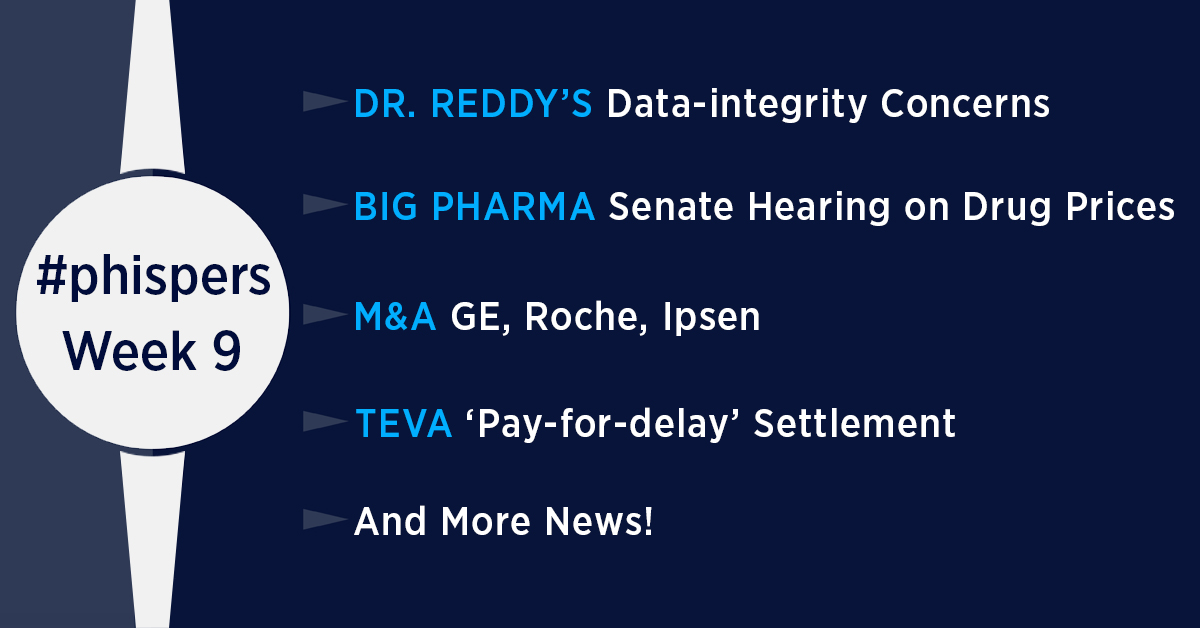
Image Credit : #Phisper Infographic by SCORR MARKETING & PharmaCompass is licensed under CC BY 2.0
“ The article is based on the information available in public and which the author believes to be true. The author is not disseminating any information, which the author believes or knows, is confidential or in conflict with the privacy of any person. The views expressed or information supplied through this article is mere opinion and observation of the author. The author does not intend to defame, insult or, cause loss or damage to anyone, in any manner, through this article.”