Please Wait
Applying Filters...
Menu
Xls

Digital Content read-more

Create Content with PharmaCompass, ask us

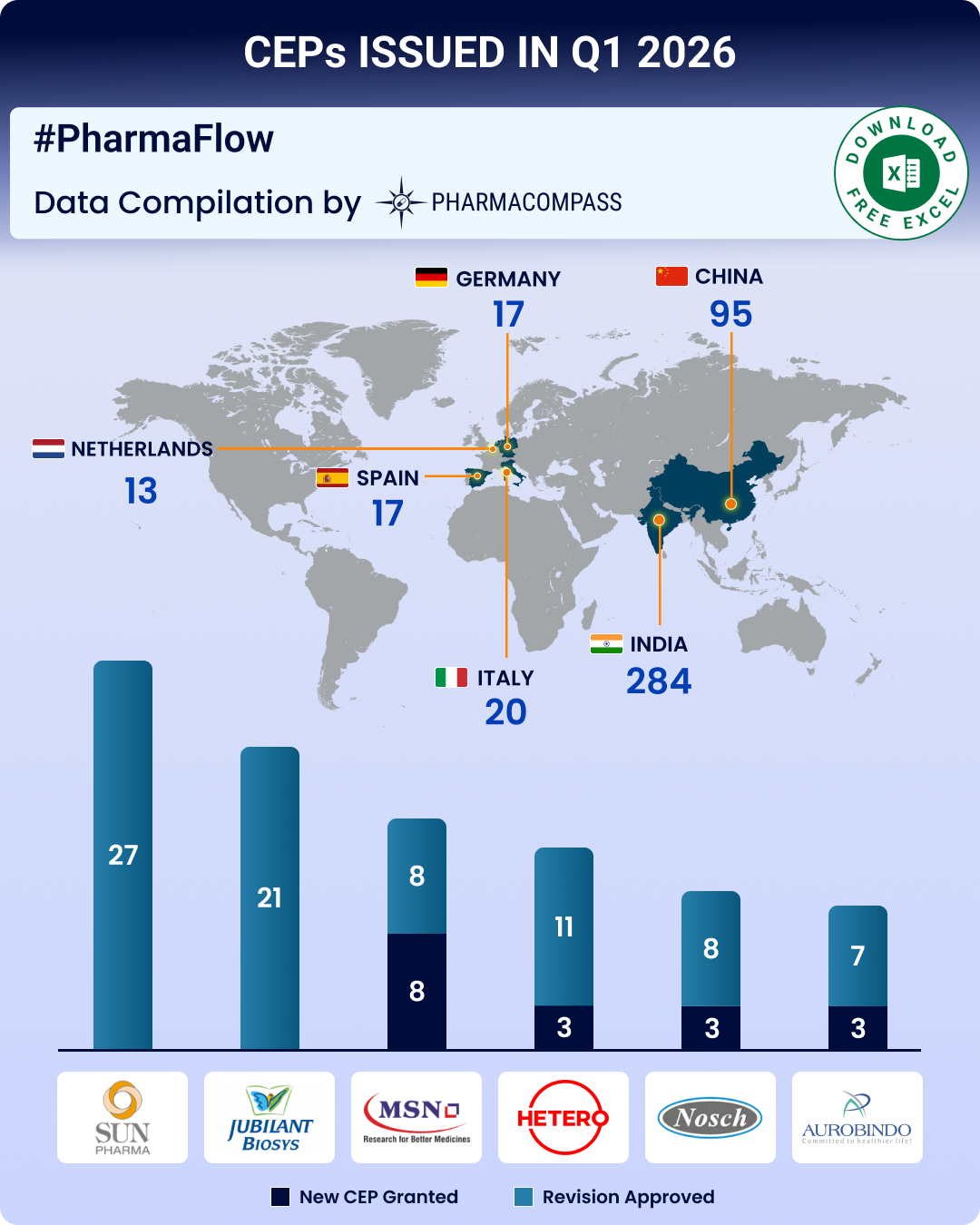
DATA COMPILATION #PharmaFlow

read-more
read-more
US drug shortages hit record high in Q1 2024, impacts cancer, ADHD drugs; Lilly, Novo ramp up production
Drug shortages are threatening healthcare systems the world over. Be it the US, Canada, Europe or Africa, drug scarcities are straining healthcare systems and costing lives.In the US, the first quarter (Q1) of 2024 saw a staggering 323 drug shortages, the highest number recorded since the American Society of Health-System Pharmacists (ASHP) began tracking such data in 2001. However, Q2 2024 saw active drug shortages reduce to 300 drugs.While the shortages span a wide range of medications, five categories have been severely impacted in the US — central nervous system drugs, antimicrobials, hormone agents, injectable fluids and electrolytes, and chemotherapy drugs. Other critical medications in short supply include drugs to treat attention deficit hyperactivity disorder (ADHD).View Our Interactive Dashboard on Drug Shortages So Far in 2024 (Free Excel Available)Chemo scarcities spark concerns; vaccine shortage hampers mpox response in AfricaIn the US, shortage of at least 21 chemotherapy drugs has impacted cancer treatments. A survey undertaken by the National Comprehensive Cancer Network found 89 percent of participating centers reporting shortages of at least one critical systemic anticancer therapy. These included drugs like vinblastine, etoposide and topotecan. Since early 2023, supply issues have led to what’s now known as the “carboplatin shortage”, a key platinum-based chemo drug that is impacting cancer treatment. Carboplatin is crucial for treating various cancers, including ovarian, lung, and breast cancer.The good news is that there has been a reduction in shortages of platinum-based chemo drugs such as carboplatin and cisplatin. In fact, the FDA website now mentions the shortage of cisplatin as resolved. However, the shortage of carboplatin persists.Meanwhile, Africa is facing an acute shortage of diagnostic kits, treatments and vaccines to fight the outbreak of monkeypox (mpox). The Africa Centers for Disease Control and Prevention estimates it would need 10 million vaccines to stop the outbreak. Bavarian Nordic’s Jynneos is currently the only widely approved mpox vaccine, and countries like the US, Spain, France and Germany have pledged doses of Jynneos to help Africa fight the outbreak.View Our Interactive Dashboard on Drug Shortages So Far in 2024 (Free Excel Available) Drug shortages impacts ADHD patients in US; Canada implements tiered systemThe US Food and Drug Administration (FDA) first reported a shortage of Adderall, a common ADHD treatment, in October 2022. Since then, the shortage has spread to other crucial medications like Ritalin, Vyvanse, and Focalin. This is a significant issue for the roughly 10 million adults and six million children in the US who rely on such drugs to manage their ADHD symptoms.An already concerning shortage of ADHD medications in the US has the potential to worsen due to some recent events. The Centers for Disease Control and Prevention (CDC) issued a health advisory in June, warning that the arrest of two telehealth executives from Done Global, a digital health company, could exacerbate the ADHD medication shortage. Done Global was accused of illegally distributing Adderall online. The arrests could disrupt care not only for Done Global patients but also for those who use other telehealth services.Meanwhile, Canada has implemented a tiered system for addressing drug shortages, with tier 3 shortages being those with the greatest potential impact on the country’s drug supply and healthcare system. Currently, there are 20 drugs listed under tier 3.View Our Interactive Dashboard on Drug Shortages So Far in 2024 (Free Excel Available) GLP-1 drug shortages create US$ 1 bn shadow industry; Lilly, Novo expand capacitiesThe shortage of glucagon-like peptide-1 (GLP-1) receptor agonists, such as Ozempic, Saxenda, Trulicity, Victoza, Mounjaro, and Zepbound, has been grabbing headlines. These drugs are used in the treatment of diabetes and in weight management.The shortage of these drugs has led to a surge in demand for compounded versions of these medications, creating both opportunities and significant risks. While the FDA’s Food, Drug, and Cosmetic Act allows it to turn a blind eye to pharmacists producing and selling non-approved compounded versions under certain circumstances, this practice has led to a billion-dollar shadow industry of compounded GLP-1 drugs.Eli Lilly has discovered compounded drugs advertised as tirzepatide (Mounjaro and Zepbound) with significant safety, sterility, and efficacy issues. In response to the safety risks, Lilly has taken legal action against several wellness centers, medical spas, and other sellers in the US.To address the supply issues, Lilly has announced its largest manufacturing investment yet, investing an additional US$ 5.3 billion at its Indiana site. Similarly, Novo Nordisk’s parent company is acquiring Catalent for US$ 16.5 billion to increase Wegovy production. Novo is also investing US$ 4.1 billion to develop a new manufacturing facility in Clayton, North Carolina (US).The FDA website continues to list Novo and Lilly’s GLP-1 drugs as “Currently in Shortage”, even though the drugmakers say otherwise. The EMA website says the shortage of Novo’s Wegovy has been resolved but Lilly’s Trulicity and Novo’s Saxenda continue to be in shortage.View Our Interactive Dashboard on Drug Shortages So Far in 2024 (Free Excel Available) FDA works closely with cancer drugmakers; France introduces roadmap to address drug shortagesApart from pharma companies, health authorities and governments are also taking steps to reduce drug shortages. FDA is working closely with five cancer drug manufacturers to increase production capacities. It has also facilitated the re-entry of a previously discontinued cisplatin product into the market.On the legislative front, the US Senate Finance Committee has proposed a draft of a policy that would incentivize generic drug manufacturers to prioritize production of essential medications. These incentives include minimum three-year contracts with stable pricing, contingency contracts with alternate manufacturers, transparency in quality control issues, and modifications to the Medicaid Drug Rebate Program. France, like most European nations, is also facing shortages of medicines like insulin and anti-cancer drugs. But most problematic are its shortages of antibiotics, paracetamol and corticoids. The French government has introduced a new three-year "roadmap" (from 2024 to 2027) to address these shortages. A significant step in this direction is the planned opening of the first European paracetamol factory in Toulouse in 2025, which will help reduce Europe’s dependence on China, India, and the US for this widely used medication.View Our Interactive Dashboard on Drug Shortages So Far in 2024 (Free Excel Available) Our viewThe global drug shortages underscore the fragility of pharmaceutical supply chains and the urgent need for reform. Longstanding drug shortages, particularly those affecting cancer treatments, antibiotics, and essential medications often stem from the low profitability of generic drugs.While investments in manufacturing capacity and regulatory measures are steps in the right direction, a more comprehensive, concerted global approach is needed to resolve the deep-seated systemic issues in the pharmaceutical industry.  

Impressions: 5838

https://www.pharmacompass.com/radio-compass-blog/us-drug-shortages-hit-record-high-in-q1-2024-impacts-cancer-adhd-drugs-lilly-novo-ramp-up-production

#PharmaFlow by PHARMACOMPASS
29 Aug 2024

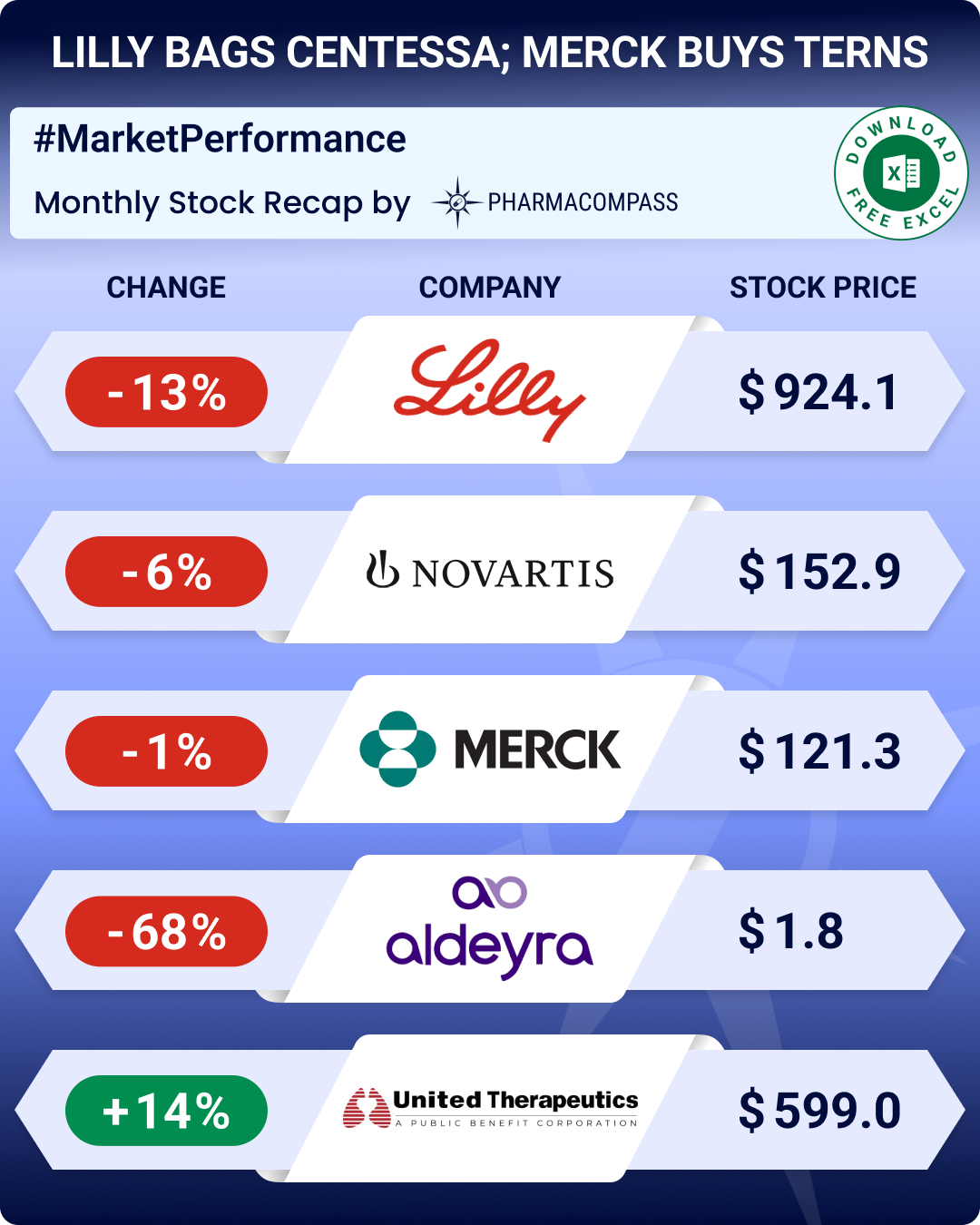
STOCK RECAP #PipelineProspector

read-more
read-more
Pipeline Prospector March 2026 highlights: Lilly to acquire Centessa for US$ 7.8 bn; Merck buys Terns Pharma for US$ 6.7 bn
The raging war in the Middle East has disrupted global pharmaceutical supply chains, which are dependent on both sea and air routes. Major airports, such as Dubai, Abu Dhabi and Doha, are operating far below capacity due to strikes by Iran in response to attacks by the US and Israel. This has impacted the flow of critical medicines to the region. The closure of the Strait of Hormuz is pushing up crude oil prices.Given the geopolitical turbulence, the industry displayed grit, with March witnessing a flurry of high-value acquisitions.However, the war impacted pharma indices, which had been rising steadily since June 2025. The Nasdaq Biotechnology Index (NBI) fell by 2.12 percent in March, moving from 5,965.89 to 5,839.40. The SPDR S&P Biotech ETF (XBI) rose by 2.49 percent, from 124.63 to 127.73, and the S&P Biotechnology Select Industry Index (SPSIBI) inched up by 0.23 percent — from 9,954.55 to 9,977.73. In comparison, the S&P 500 fell by 4.34 percent — from 6,824.36 to 6,528.52. Access the Pipeline Prospector Dashboard for March 2026 Newsmakers (Free Excel)Lilly acquires Centessa for its sleep disorder treatments; Merck buys Terns Pharma to strengthen oncology pipeline On the last day of the month, Eli Lilly announced the acquisition of British drugmaker Centessa Pharmaceuticals in a deal worth up to US$ 7.8 billion. Centessa is developing a new class of treatments designed to target orexin, a molecule in the brain that regulates the sleep-wake cycle.On the same day, Biogen announced the acquisition of Apellis Pharmaceuticals for about US$ 5.6 billion in cash, adding approved immunology medicines Empaveli and Syfovre (both pegcetacoplan) to its portfolio.Meanwhile, Merck announced a US$ 6.7 billion acquisition of American biotech Terns Pharmaceuticals. The biotech is developing treatments for rare blood and bone cancers, and is expected to strengthen Merck’s oncology pipeline, as its blockbuster Keytruda (pembrolizumab) faces a patent cliff.Novartis made a significant move by acquiring Pikavation Therapeutics, a subsidiary of US biotech firm Synnovation Therapeutics, and its portfolio, which includes an experimental breast cancer drug candidate — SNV4818 — for up ‌to US$ 3 billion. Novartis also deepened its focus on immunology through the up to US$ 2 billion acquisition of Excellergy, a private biotech company developing next-generation anti-IgE therapies.French pharmaceutical group Servier announced the acquisition of Day One Biopharmaceuticals for ‌about US$ 2.5 billion. This buyout gives Servier access to FDA-approved Ojemda (tovorafenib), a monotherapy for pediatric low-grade glioma, the most common form of brain tumor in children.Gilead Sciences is acquiring Ouro Medicines for up to US$ 2.18 billion to expand its presence in autoimmune diseases. Luxembourg-based CVC Capital Partners made a €10.9 billion (US$ 12.6 billion) offer to acquire Italian drugmaker Recordati, where it already holds a 47 percent stake.In other deals, Insilico Medicine entered into a US$ 2.75 billion global licensing and research collaboration with Eli Lilly to leverage generative AI to accelerate R&D and improve pipeline efficiency. And Tenaya Therapeutics tied up with Alnylam Pharmaceuticals to work on disease-modifying treatments for cardiovascular diseases in a deal worth up to US$ 1.14 billion. Access the Pipeline Prospector Dashboard for March 2026 Newsmakers (Free Excel)Biogen’s Spinraza approved for spinal muscular atrophy; J&J’s pill okayed for plaque psoriasisThe month witnessed multiple FDA approvals and label expansions. Biogen secured FDA approval for a higher-dose regimen of Spinraza (nusinersen) for spinal muscular atrophy (SMA), a genetic disorder that causes muscle weakness.The agency also approved Johnson & Johnson’s oral pill Icotyde (icotrokinra) for the treatment of moderate-to-severe plaque psoriasis in adults and pediatric patients 12 years of age and older.Besides these, FDA granted accelerated approval to Denali Therapeutics’ Avlayah (tividenofusp alfa), which was approved for the treatment of children with Hunter syndrome, ‌a rare genetic disorder. And it expanded the labels of Bristol Myers Squibb’s Sotyktu (deucravacitinib), Novo Nordisk’s Sogroya and GSK’s RSV vaccine Arexvy. Access the Pipeline Prospector Dashboard for March 2026 Newsmakers (Free Excel)Merck’s drug cuts LDL cholesterol by 64.6%; Xenon’s epilepsy med meets main goal in late-stage trialMerck reported that its oral cholesterol drug enlicitide decanoate reduced low-density lipoprotein (LDL) cholesterol by approximately 64.6 percent in a head-to-head late-stage trial, outperforming non-statin therapies.Xenon Pharmaceuticals’ experimental epilepsy drug azetukalner met its main goal by significantly reducing seizure frequency, while United Therapeutics’ ralinepag reduced disease progression risk by 55 percent in pulmonary arterial hypertension.Bristol Myers Squibb’s mezigdomide demonstrated improved survival outcomes in relapsed or refractory multiple myeloma when used in combination with Amgen’s Kyprolis (carfilzomib) and dexamethasone.Another therapy that posted a trial win was Pfizer and Astellas’ Padcev (enfortumab vedotin) when used in combination with Keytruda. In a phase 3 trial, it significantly improved outcomes in patients with muscle-invasive bladder cancer eligible for cisplatin-based chemotherapy.Roche reported positive phase 3 data for its multiple sclerosis drug fenebrutinib, though safety concerns (including patient deaths during trials) could complicate regulatory review. Eli Lilly’s atopic dermatitis drug Ebglyss (lebrikizumab) achieved both primary and secondary endpoints in a phase 3 trial in children aged six months to 18 years. The drug is already approved for people over 12 years with eczema who weigh over 40 kg. Access the Pipeline Prospector Dashboard for March 2026 Newsmakers (Free Excel)FDA lifts hold on Intellia’s gene therapy, hands Aldeyra’s dry eye disease med its third rejection FDA lifted the clinical hold placed on Intellia Therapeutics’ gene therapy for transthyretin amyloidosis with cardiomyopathy, a fatal heart condition. The clinical holds on two trials of the therapy were imposed in October after a patient developed severe liver complications.Some drugmakers faced setbacks. For instance, FDA asked for additional data for uniQure’s Huntington’s disease gene therapy (a fatal, inherited neurodegenerative disorder). Similarly, the agency handed Aldeyra’s reproxalap a third rejection. The drug was being developed to treat dry eye disease, a chronic condition characterized by insufficient tear production.Australian biotech Immutep discontinued a crucial phase 3 trial for Efti (eftilagimod alfa), which is administered along with Keytruda and was being developed as a first-line treatment for advanced non-small cell lung cancer (NSCLC). And Roche said its breast ‌cancer pill, giredestrant, failed to meaningfully help newly diagnosed patients with breast cancer in a phase 3 trial. Access the Pipeline Prospector Dashboard for March 2026 Newsmakers (Free Excel)Our viewWhile geopolitical disruptions have exposed vulnerabilities in global supply chains, they have not dented the industry’s appetite for growth and innovation. That said, a prolonged conflict could alter this trajectory, forcing pharma leaders to reassess strategic priorities.

Impressions: 1207

https://www.pharmacompass.com/pipeline-prospector-blog/pipeline-prospector-march-2026-highlights-lilly-to-acquire-centessa-for-us-7-8-bn-merck-buys-terns-pharma-for-us-6-7-bn

#PharmaFlow by PHARMACOMPASS
02 Apr 2026

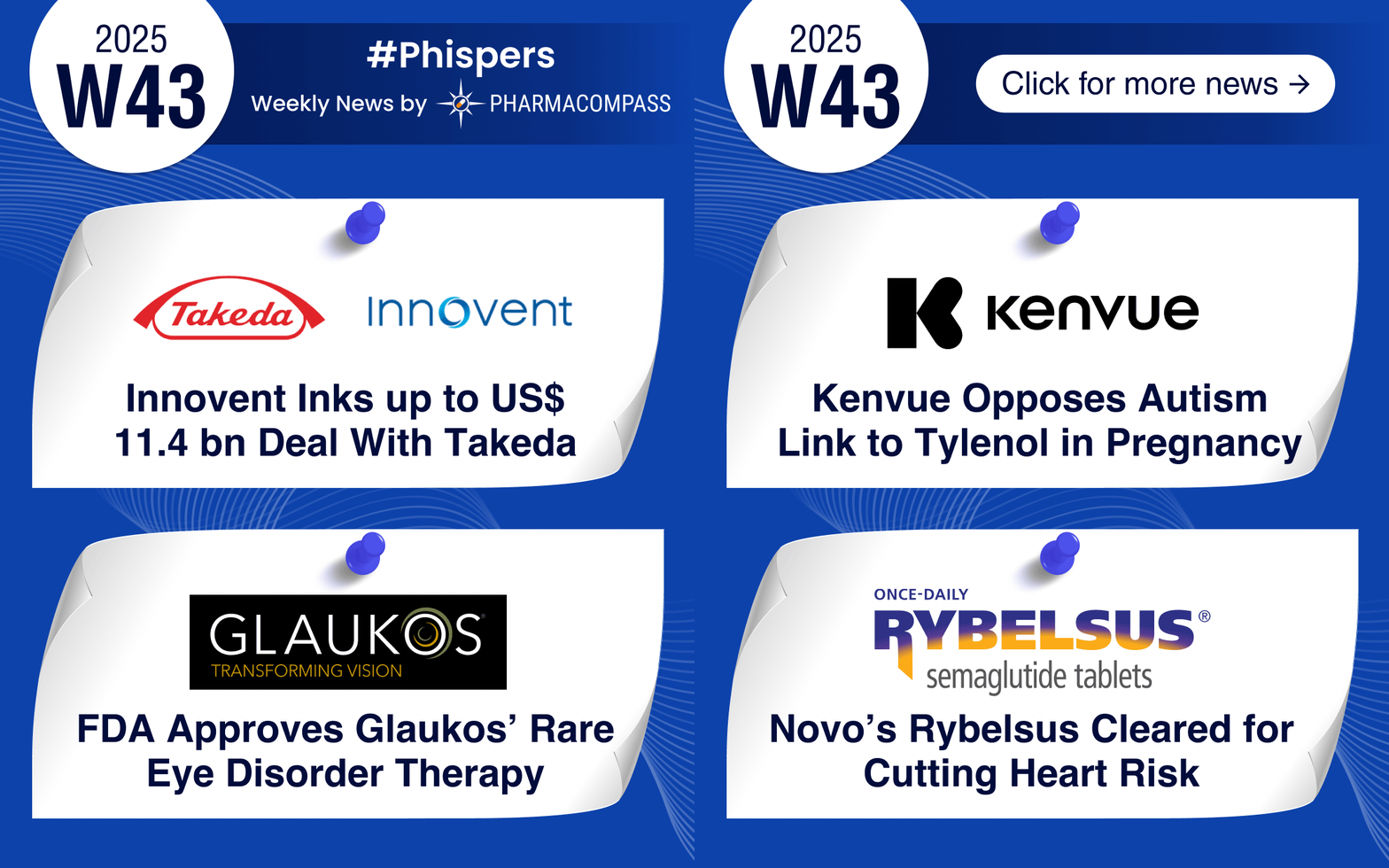
NEWS #PharmaBuzz

read-more
read-more

https://economictimes.indiatimes.com/industry/healthcare/biotech/pharmaceuticals/cancer-drug-makers-seek-50-price-hike-as-platinum-surge-hits-production-viability/articleshow/130046021.cms

ECONOMICTIMES
06 Apr 2026

https://www.prnewswire.com/news-releases/norgine-announces-swissmedic-approval-of-pedmarqsi-for-the-prevention-of-cisplatin-induced-hearing-loss-in-children-302725193.html

PR NEWSWIRE
26 Mar 2026

https://www.globenewswire.com/news-release/2026/03/04/3249229/0/en/Fennec-Pharmaceuticals-Announces-Clinical-Research-Collaboration-with-Tampa-General-Hospital-Cancer-Institute.html

GLOBENEWSWIRE
04 Mar 2026

https://www.pharmiweb.com/press-release/2026-02-27/padcev-plus-keytruda-cuts-risk-of-recurrence-or-death-by-nearly-50-in-cisplatin-eligible-muscle-inva

PHARMIWEB
27 Feb 2026

https://www.prnewswire.com/news-releases/acousia-announces-completion-of-patient-enrollment-in-phase-2-prohear-study-evaluating-acou085-inn-bimokalner-for-the-prevention-of-cisplatin-induced-ototoxicity-302654206.html

PR NEWSWIRE
08 Jan 2026

https://www.prnewswire.com/news-releases/privo-technologies-begins-dosing-prv131-in-arm-3-of-clinical-study-cln-004-a-first-in-class-cisplatin-intratumoral-injectable-targeting-oral-cavity-cancer-302638426.html

PR NEWSWIRE
10 Dec 2025