


NEWS
- Pharma & Biotech News #PharmaBuzz
- Weekly News Recap #Phispers
- Recent Product Approvals #GreenLight
- Quality Compliance Alerts #Warning!
- All News #Library
DRUGS & DEVELOPMENTS
MARKET INTEL by PharmaCompass

Create content with us, ask us
By PharmaCompass
2018-09-27
Impressions: 98 Article
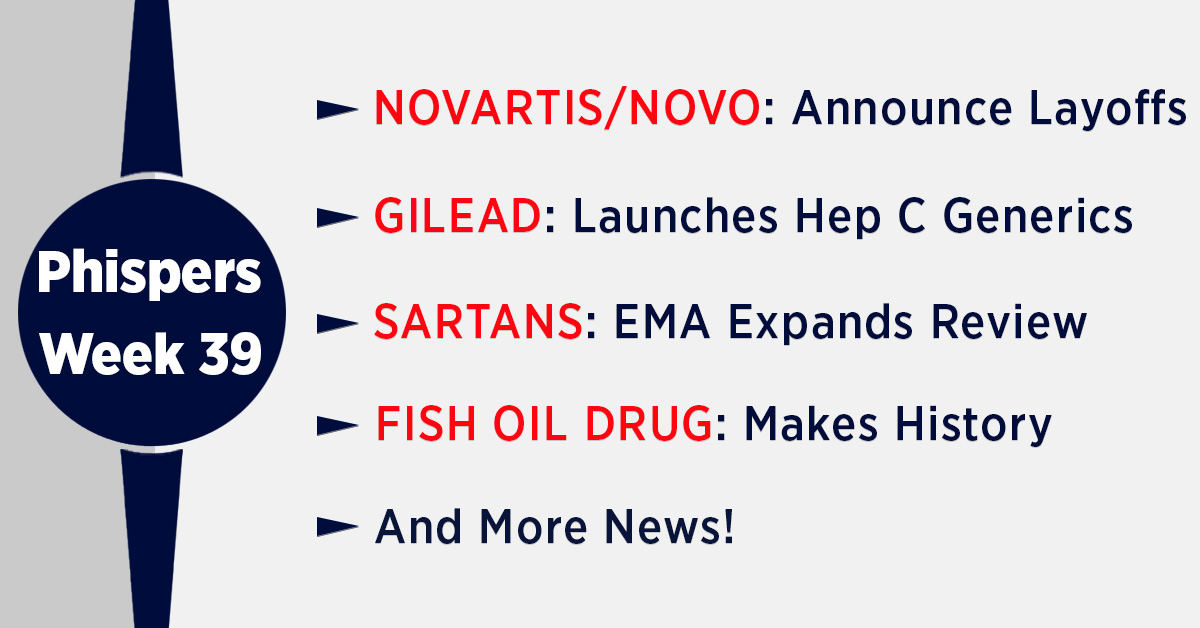
This week too, the valsartan impurities saga continues unabated. On September 21, the US Food and Drug Administration (FDA) posted an 11-observation, highly redacted Form 483 issued to Zhejiang Huahai Pharmaceutical on its website.
The American agency had conducted a two-week inspection at Huahai’s API manufacturing facility at Linhai (Zhejiang province, China) in the last week of July through the first week of August. It revealed the absence of a formal risk assessment of critical changes made which could impact the quality of intermediates or APIs produced at the site.
In the Form 483, the FDA criticized the management for making process changes without thoroughly testing them.
In December 2013, Huahai had filed an amendment to its Drug Master File indicating that the amendment was submitted for minor changes for drug substance manufacturing, when its own internal change classified the change as a critical one.
Between December 2016 and August 2017, Huahai initiated 17 OOS (out of specifications) investigations for failure of an impurity specification (potentially genotoxic) and in all 17 cases, the batches were reprocessed without developing a preventive action plan as 13 out of the 17 OOS results were attributed to lab error, five to production errors and two were believed to be a combination of lab and production errors.
Huahai was found to release finished APIs manufactured from crude intermediates with OOS levels of genotoxic impurities without conducting a thorough investigation.
Post the valsartan scandal, the FDA issued a draft change control guideline that was released earlier this month.
In Europe, the Committee for Medicinal Products for Human Use (CHMP) is expanding its review of impurities in valsartan following the detection of very low levels of N-nitrosodiethylamine (NDEA) in another active substance, losartan, made by Hetero Labs in India.
As a result of the detection of this impurity by German authorities, the review will now include medicines containing four other ‘sartans’ (or blood pressure medicines), such as candesartan, irbesartan, losartan and olmesartan.
The review will evaluate the root cause for the presence of both N-nitrosodimethylamine (NDMA) and NDEA, their possible impact on patients and measures that can be taken to reduce or eliminate these impurities from future batches.
As if this was not enough, a class action lawsuit was filed by two New Yorkers — Elizabeth Duffy and John Duffy — in the valsartan impurities case.
The lawsuit targets companies that distributed or sold valsartan blood pressure medications that were contaminated with NDMA. The lawsuit names four companies as defendants. Two distributed the recalled valsartan. The other two are pharmacies that sold it. These companies are — Solco Healthcare US LLC, Prinston Pharmaceutical Inc, Walgreens and Throggs Neck Pharmacy.
The PharmaCompass Newsletter – Sign Up, Stay Ahead
Feedback, help us to improve. Click here
Image Credit : #Phisper Infographic by SCORR MARKETING & PharmaCompass is licensed under CC BY 2.0
“ The article is based on the information available in public and which the author believes to be true. The author is not disseminating any information, which the author believes or knows, is confidential or in conflict with the privacy of any person. The views expressed or information supplied through this article is mere opinion and observation of the author. The author does not intend to defame, insult or, cause loss or damage to anyone, in any manner, through this article.”