


NEWS
- Pharma & Biotech News #PharmaBuzz
- Weekly News Recap #Phispers
- Recent Product Approvals #GreenLight
- Quality Compliance Alerts #Warning!
- All News #Library
DRUGS & DEVELOPMENTS
MARKET INTEL by PharmaCompass

Create content with us, ask us
By PharmaCompass
2019-01-17
Impressions: 92 Article
On Monday, Representative Elijah Cummings, a top lawmaker in the US, launched a probe into the drug industry’s pricing practices. A week back, Cummings and his fellow Democrats had introduced a legislation aimed at lowering medicine prices.
Cummings, who chairs the House Oversight Committee, sent letters to 12 drugmakers seeking information on price increases, investment in research and development, and corporate strategies to preserve market share and pricing power, his office said in a statement.
Companies such as AbbVie, Amgen, AstraZeneca, Celgene, Eli Lilly, Johnson & Johnson, Mallinckrodt, Novartis, Novo Nordisk, Pfizer, Sanofi and Teva Pharmaceutical received letters seeking information about their pricing practices.
Novo Nordisk, Amgen, Celgene and Novartis said they were reviewing the request.
Cummings’ letters focused on drugs that are the costliest to Medicare Part D, a program that helps beneficiaries of the federal health insurance for the elderly and disabled pay for self-administered medicines. They include several blockbuster drugs like AbbVie’s Humira and Johnson & Johnson’s cancer drug Imbruvica.
Meanwhile, a proposed shift in Medicare coverage for medicines administered by doctors is expected to help reduce total drug spending. However, it may also lead to higher out-of-pocket costs for some patients, a new study has said.
At present, drugs given by infusion or injection in outpatient settings are covered by Medicare Part B. In a push to curb health spending, the Trump administration has proposed moving coverage for such medicines to standalone drug plans known as Medicare Part D, which typically contract with pharmacies to fill prescriptions for consumers. Currently, Medicare Part B does not actively negotiate drug prices while plans in Part D do have negotiating power.
Drugmakers using scare tactics to ward off generics: Healthcare and government officials in the US are also concerned that the makers of the most advanced drug therapies are using scare tactics to ward off emerging generic versions of their products.
Doctors, drug companies and FDA say the companies that make costly name-brand biologic drugs, which are grown from living cells, are sowing doubt about the wisdom of switching to cheaper, unbranded versions of their medicines, even though FDA has certified them as safe and effective.
Biologics have led to breakthroughs against cancer, rheumatoid arthritis and other serious diseases. But they are hugely expensive. The campaign against those cheaper versions, known as biosimilars, could delay affordable access to a host of novel therapies.
FDA Commissioner Scott Gottlieb indicated the FDA may take action if it determines a company is deliberately misleading the public about the safety of biosimilars.
Teva reaches drug pricing settlement: Fourteen years after Illinois’ attorney general accused Teva of defrauding Medicaid with inflated pricing, the Israeli drug maker agreed to a US$ 135 million settlement with Illinois to resolve allegations of fraudulent pricing.
The settlement stems from a 2005 lawsuit Attorney General Lisa Madigan filed against Teva and 46 other pharma companies, alleging the drugmakers fraudulently published inflated average wholesale prices that went into calculating Medicaid reimbursement rates. As a result, taxpayers overpaid for Teva drugs, the suit argued.
Since filing the suit, Madigan has recovered more than US$ 436 million in settlements from various companies. Nine drugmakers are still facing litigation.
The PharmaCompass Newsletter – Sign Up, Stay Ahead
Feedback, help us to improve. Click here
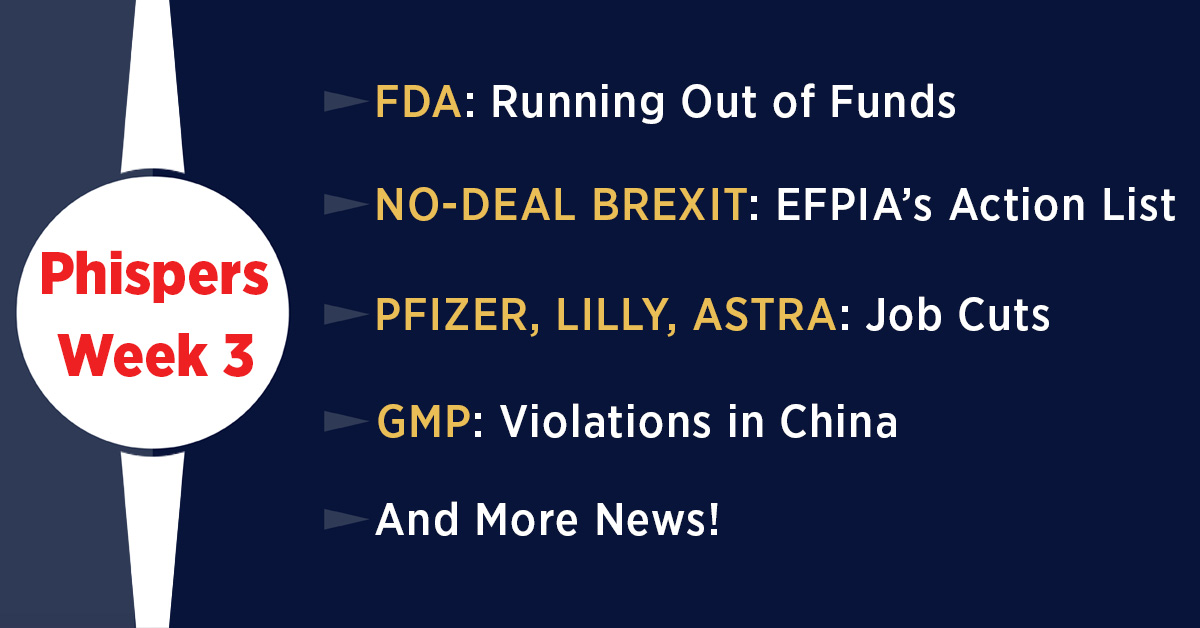
Image Credit : #Phisper Infographic by SCORR MARKETING & PharmaCompass is licensed under CC BY 2.0
“ The article is based on the information available in public and which the author believes to be true. The author is not disseminating any information, which the author believes or knows, is confidential or in conflict with the privacy of any person. The views expressed or information supplied through this article is mere opinion and observation of the author. The author does not intend to defame, insult or, cause loss or damage to anyone, in any manner, through this article.”