



NEWS
- Pharma & Biotech News #PharmaBuzz
- Weekly News Recap #Phispers
- Recent Product Approvals #GreenLight
- Quality Compliance Alerts #Warning!
- All News #Library
DRUGS & DEVELOPMENTS
MARKET INTEL by PharmaCompass

Create content with us, ask us
By PharmaCompass
2019-02-28
Impressions: 84 Article
This week, Roche Holding AG agreed to pay US$ 4.8 billion to buy Spark Therapeutics Inc., a spin-off of Children’s Hospital of Philadelphia. Back in 2013, the hospital had spun off this gene therapy company working on a new treatment for a rare form of blindness that the hospital’s scientists had helped develop.
The hospital had invested US$ 50 million in Spark, making it the largest shareholder in the company. With the Roche buy, the 10.6 percent stake the hospital owns in Spark today will fetch it US$ 456 million. That’s on top of the estimated US$ 285 million the foundation made in earlier share sales. Spark went public in January 2015 and its first drug, a gene therapy for blindness, was approved in December 2017.
The transaction is expected to close in the second quarter. The deal is another example of Big Pharma’s interest in gene therapy. Last year, Novartis had bought AveXis for US$ 8.7 billion. In 2016, Pfizer bought private gene therapy firm Bamboo Therapeutics.
In other M&A news, Ipsen struck a US$ 1.3 billion (€1.1 billion) deal to buy Clementia Pharmaceuticals for its late-phase rare disease drug — palovarotene. Ipsen will make an upfront payment of US$ 1 billion to acquire this retinoic acid receptor gamma agonist ahead of a filing for FDA approval.
Ipsen will further pay US$ 263 million if FDA accepts a filing for approval of palovarotene in a second indication — multiple osteochondromas (a disorder characterized by the development of multiple benign tumours of the bone).
Meanwhile, Merck said it would buy drug developer Immune Design Corp for nearly US$ 300 million, to gain access to its immunotherapy programs. Immune Design’s pipeline includes late-stage immunotherapy technologies such as Glaas And Zvex.
With the first two months of 2019 seeing high number of M&A deals, research firm Morningstar has come up with its breakdown of the top buyers looking for takeovers, as well as the top targets within the industry.
And 2019 is poised to see more mega-mergers, they say. For instance, lack of growth at Amgen and Gilead, coupled with healthy expected cash flows and fair financial health, gives them the desire and ammunition for large-scale deals. In fact, AbbVie, Amgen, and Gilead are present on both the acquirer and target lists, as they have significant growth issues but also compelling pipelines. In the case of AbbVie and Gilead, both are undervalued.
“We think Biogen could be a target for a number of firms, as its neurology focus, strong pipeline, and undervalued shares would make it a very large-scale tuck-in acquisition,” Morningstar said.
The PharmaCompass Newsletter – Sign Up, Stay Ahead
Feedback, help us to improve. Click here
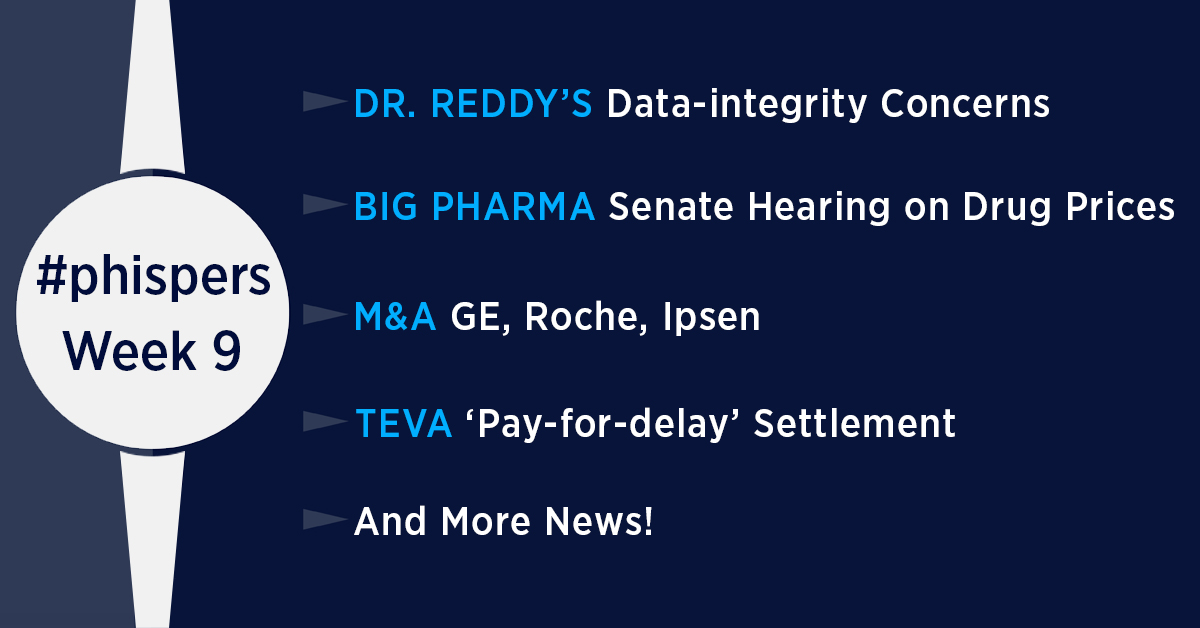
Image Credit : #Phisper Infographic by SCORR MARKETING & PharmaCompass is licensed under CC BY 2.0
“ The article is based on the information available in public and which the author believes to be true. The author is not disseminating any information, which the author believes or knows, is confidential or in conflict with the privacy of any person. The views expressed or information supplied through this article is mere opinion and observation of the author. The author does not intend to defame, insult or, cause loss or damage to anyone, in any manner, through this article.”