



NEWS
- Pharma & Biotech News #PharmaBuzz
- Weekly News Recap #Phispers
- Recent Product Approvals #GreenLight
- Quality Compliance Alerts #Warning!
- All News #Library
DRUGS & DEVELOPMENTS
MARKET INTEL by PharmaCompass

Create content with us, ask us
By PharmaCompass
2018-09-27
Impressions: 618 Article
Swiss drugmaker Novartis is tying up with Shenzhen-based Tencent Holdings Ltd to take advantage of China’s fast-growing healthcare market.
The two companies will pursue more deals in the digital realm. The collaboration will focus on heart diseases and give patients access to Tencent’s health services, including reminders to take their medication and information about the condition of their health.
Vas Narasimhan, the CEO of Novartis, said the company plans to expand its efforts in China to scout for new business opportunities, partly focused on data. Narasimhan aims to more than double Novartis’ sales in China over the next five years.
Narasimhan is drawing inspiration from technology firms, and is tapping data to cut its failure rate and narrow down the company’s focus on cutting-edge drugs.
The idea is to make Novartis more competitive at a time when costs to develop new medicines are rising and the industry’s returns on investment are sliding.
Last week, we had reported on how Novartis is trying to rebuild its image, post multiple bribery scandals, the most recent one being the revelation earlier this year that it paid US$ 1.2 million to Donald Trump’s former lawyer, Michael Cohen.
With a population of 1.4 billion people, China is the second-largest pharma market after the US. Factors like changes in diet, pollution and heavier workloads have led to increase in obesity, diabetes and other diseases among its people, making China a key market for drug companies.
Tencent operates the WeChat messaging and payment app, while Novartis, based in Basel, is betting on new drugs including heart medicine Entresto, psoriasis treatment Cosentyx and breakthrough cancer therapies aimed at curing lethal diseases to drive its growth in the coming years.
Last year, Novartis’ Kymriah became the first CAR-T (chimeric antigen receptor-T-cell) therapy to win approval in the US, and Narasimhan has said China wants to be a leader in that field. Several Chinese companies have jumped into CAR-T, which involves extracting a patient’s immune system cells and modifying them to attack cancer.
The PharmaCompass Newsletter – Sign Up, Stay Ahead
Feedback, help us to improve. Click here
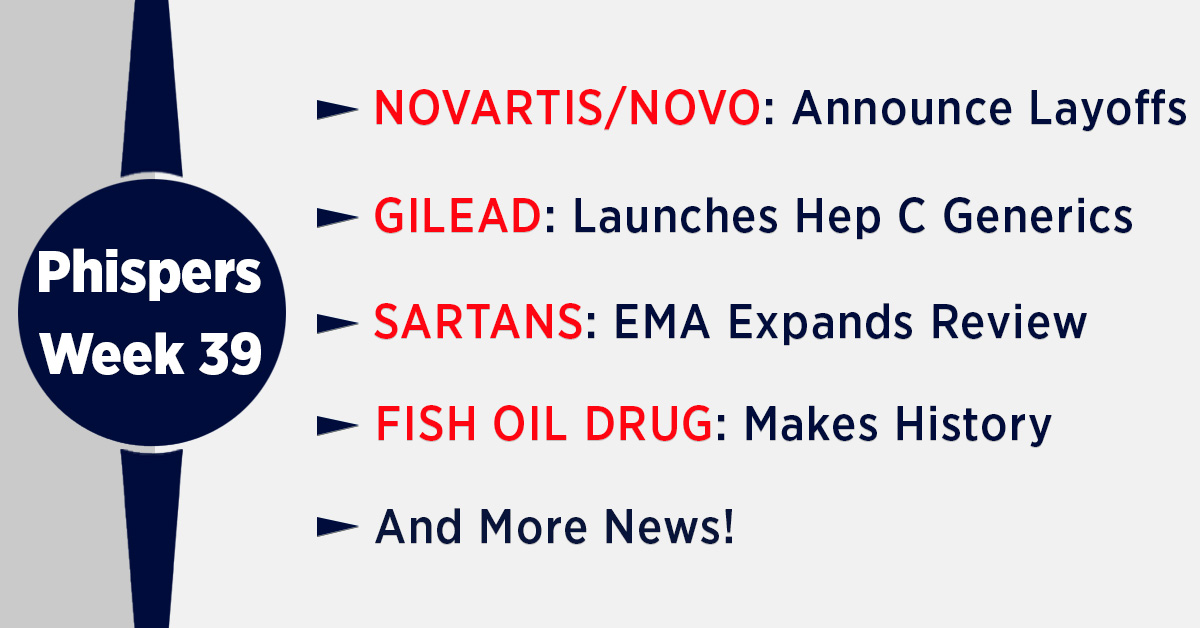
Image Credit : #Phisper Infographic by SCORR MARKETING & PharmaCompass is licensed under CC BY 2.0
“ The article is based on the information available in public and which the author believes to be true. The author is not disseminating any information, which the author believes or knows, is confidential or in conflict with the privacy of any person. The views expressed or information supplied through this article is mere opinion and observation of the author. The author does not intend to defame, insult or, cause loss or damage to anyone, in any manner, through this article.”