


NEWS
- Pharma & Biotech News #PharmaBuzz
- Weekly News Recap #Phispers
- Recent Product Approvals #GreenLight
- Quality Compliance Alerts #Warning!
- All News #Library
DRUGS & DEVELOPMENTS
MARKET INTEL by PharmaCompass

Create content with us, ask us
By PharmaCompass
2019-06-20
Impressions: 94 Article
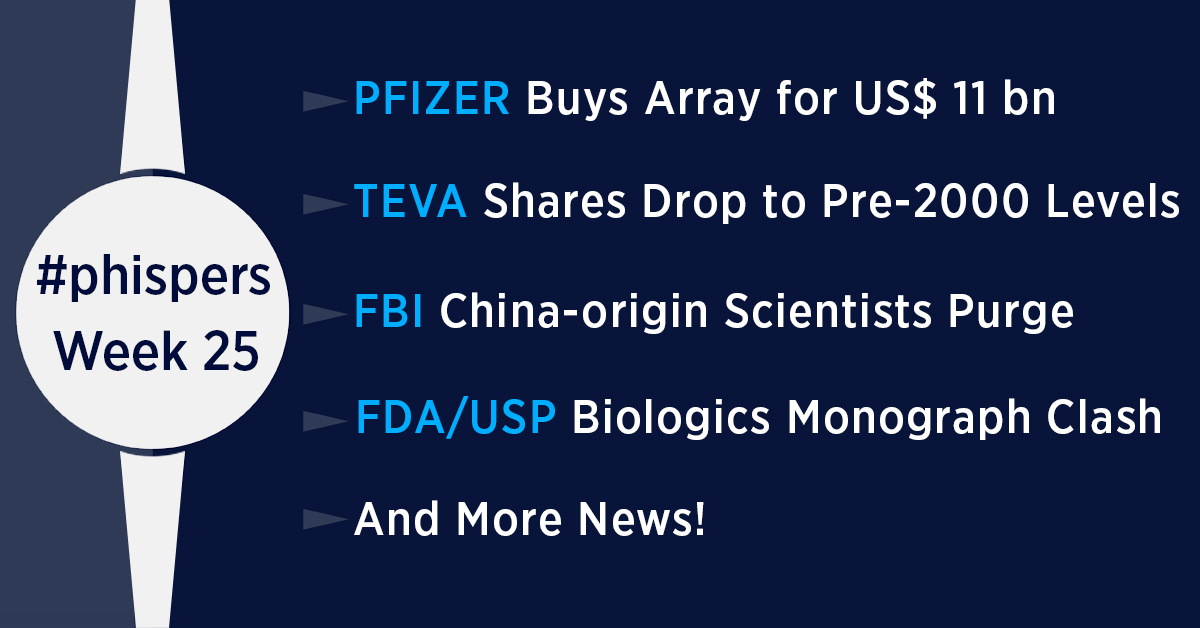
An antitrust lawsuit filed in the US against Teva Pharmaceuticals and several other drugmakers sent the Israeli generic drug giant’s stock dipping to its pre-2000 levels last week.
The massive civil lawsuit filed in the federal court in Connecticut by 43 states identifies a vast price hiking scheme, dating back to 2014. On April 4, 2014, generic drugmakers — such as Teva, Mylan, Actavis, Lupin, Novartis’ Sandoz and Taro Pharmaceuticals — had hiked the price on 22 generics.
In the lawsuit, the states accuse Teva’s former senior vice president Maureen Cavanaugh of colluding to raise prices on 107 different generic drugs. According to state attorneys, she held discussions with subordinates to go over price arrangements with competitors and at least once pretended not to hear what was being said.
Though the lawsuit is new, the general allegations against generic-drug makers have been around for many years. And some 35 members of the pharmaceutical business, including Teva, have denied wrongdoing.
Over the last five years, prosecutors have been probing the industry over why the prices of drugs that came off patent failed to decline, and in some cases actually increased.
There was more bad news from Teva. Late last month, the generic giant had made headlines when it had entered into a US$ 85 million settlement with the Oklahoma prosecutors over the opioid allegations. However, an Oklahoma judge refused to sign off on the deal. He said he wanted more information about how Teva complies with a new state law, which requires settlement funds to disburse directly to the state’s treasury.
The PharmaCompass Newsletter – Sign Up, Stay Ahead
Feedback, help us to improve. Click here
Image Credit : #Phisper Infographic by SCORR MARKETING & PharmaCompass is licensed under CC BY 2.0
“ The article is based on the information available in public and which the author believes to be true. The author is not disseminating any information, which the author believes or knows, is confidential or in conflict with the privacy of any person. The views expressed or information supplied through this article is mere opinion and observation of the author. The author does not intend to defame, insult or, cause loss or damage to anyone, in any manner, through this article.”