



NEWS
- Pharma & Biotech News #PharmaBuzz
- Weekly News Recap #Phispers
- Recent Product Approvals #GreenLight
- Quality Compliance Alerts #Warning!
- All News #Library
DRUGS & DEVELOPMENTS
MARKET INTEL by PharmaCompass

Create content with us, ask us
By PharmaCompass
2019-02-28
Impressions: 212 Article
The US Food and Drug Administration (FDA) this week issued an alert on Pfizer’s Xeljanz (tofacitinib). The agency said a safety clinical trial found an increased risk of blood clots in the lungs and death when a 10 mg twice daily dose of tofacitinib (Xeljanz, Xeljanz XR) was used in patients with rheumatoid arthritis (RA).
The agency has not approved this 10 mg twice daily dose for RA; this dose is only approved in the dosing regimen for patients with ulcerative colitis.
Last month, Pfizer’s Xeljanz topped AbbVie’s Humira in terms of its advertising spend on national television. According to real-time TV ad tracker iSpot.tv, Pfizer spent more than US$ 40 million on national TV time, which was US$ 6 million more than Humira’s spend on the medium.
Meanwhile, a February 20 report published in Endpoints News mentioned that Pfizer has said RA patients taking a 10 mg dose of Xeljanz (tofacitinib) in an ongoing safety study are being moved to a 5 mg dose, “after the independent monitoring board determined that there was an imbalance in the rate of death between the 10 mg drug arm (twice daily) and both their 5 mg arm and a group taking a TNF inhibitor in the control group.”
During the past seven years, Xeljanz has emerged as one of Pfizer’s most important products —Xeljanz earned US$ 1.2 billion for Pfizer in the first nine months of 2018, up from US$ 935 million the year before, with markets for RA, psoriatic arthritis and ulcerative colitis, where the recommended dose is 10 mg.
FDA said “patients should not stop or change” the dose of tofacitinib without first talking to their healthcare professional, as doing so may worsen their condition.
The PharmaCompass Newsletter – Sign Up, Stay Ahead
Feedback, help us to improve. Click here
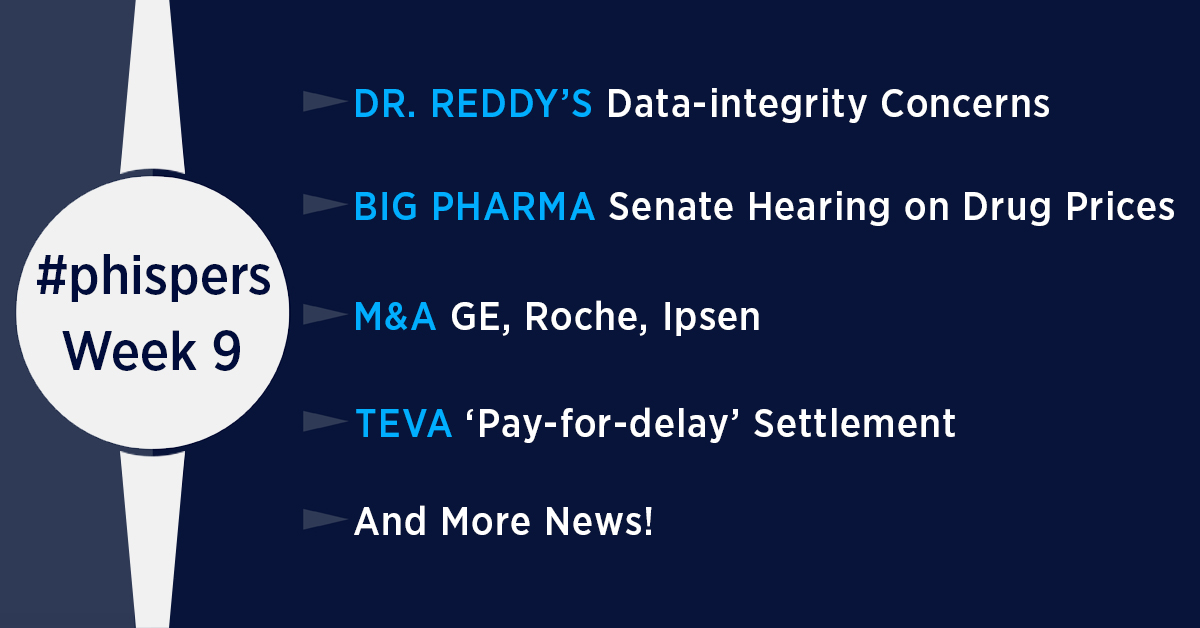
Image Credit : #Phisper Infographic by SCORR MARKETING & PharmaCompass is licensed under CC BY 2.0
“ The article is based on the information available in public and which the author believes to be true. The author is not disseminating any information, which the author believes or knows, is confidential or in conflict with the privacy of any person. The views expressed or information supplied through this article is mere opinion and observation of the author. The author does not intend to defame, insult or, cause loss or damage to anyone, in any manner, through this article.”