


NEWS
- Pharma & Biotech News #PharmaBuzz
- Weekly News Recap #Phispers
- Recent Product Approvals #GreenLight
- Quality Compliance Alerts #Warning!
- All News #Library
DRUGS & DEVELOPMENTS
MARKET INTEL by PharmaCompass

Create content with us, ask us
By PharmaCompass
2019-06-27
Impressions: 131 Article
The biggest merger of 2019, of Celgene with Bristol-Myers Squibb (BMS), was also in news this week, as BMS agreed to divest one of Celgene’s most lucrative drugs in order to close the planned US$ 74 billion merger.
Under an agreement with the Federal Trade Commission, BMS will sell off the psoriasis pill Otezla to appease antitrust regulators’ concerns, the company said in a statement. Otezla was seen as an important driver for future growth, as it was a major product for Celgene. It is projected to bring in US$ 1.86 billion this year.
According to analysts, Otezla has as much as a decade of strong sales ahead, which will now go to a rival’s portfolio. Johnson & Johnson’s Janssen unit has said it is interested in pursuing an oral psoriasis treatment through an acquisition or through its own pipeline.
BMS is researching another type of therapy for psoriasis — known as a TYK2-inhibitor — that would likely compete with Otezla. The overlap had raised regulatory concerns. By divesting Otezla, BMS is choosing to sell a blockbuster in favor of a promising, though experimental, therapy.
Both BMS and Celgene are having to contend with competition to their blockbusters. While BMS is fighting Merck for dominance in the field of cancer immunotherapy, Celgene’s blockbuster blood cancer treatment — Revlimid — is expected to face competition from low-priced generic drugs in the coming years.
Meanwhile, BMS’s flagship immunotherapy treatment Opdivo failed to beat Bayer’s Nexavar at extending the lives of liver patients in a phase 3 study. The Bayer drug has long been the standard of care for patients with newly diagnosed hepatocellular carcinoma (HCC). It had been competition-free in that indication, until Eisai and Merck’s Lenvima recently joined it.
While BMS’s survival data didn’t meet the statistical significance bar in the trial, dubbed CheckMate-459, the company said there was “a clear trend” towards improvement with Opdivo.
GSK kicks off sale of consumer health brands: GlaxoSmithKline (GSK) has kicked off the sale of some consumer health brands as it seeks to raise about US$ 1.26 billion (£1 billion) before going ahead with a spinoff of its consumer healthcare business.
According to Reuters, GSK has bundled the non-core drugs into three different portfolios and has hired boutique investment bank Greenhill to market the products to separate bidders.
According to sources quoted in the report, information packages for two portfolios consisting of Latin American drugs and Physiogel skin care products were sent out to prospective bidders earlier this week.
The sale of a third portfolio of European drugs will kick off after summer, with a much higher price tag attached due to strong interest from private equity investors, sources added.
GSK is streamlining its product offering as it prepares to fold its consumer business into a joint venture with Pfizer in the second half of this year.
Meanwhile, GSK has offered concessions to address EU antitrust concerns over its planned joint venture with Pfizer's consumer health business, the European Commission said.
According to a filing on the European Commission site, the EU competition enforcer will decide by July 10 whether to accept the proposal, demand more or open a full-scale investigation.
GSK announced the deal in December last year, a move which will put it ahead of rivals such as Johnson & Johnson, Bayer and Sanofi.
The PharmaCompass Newsletter – Sign Up, Stay Ahead
Feedback, help us to improve. Click here
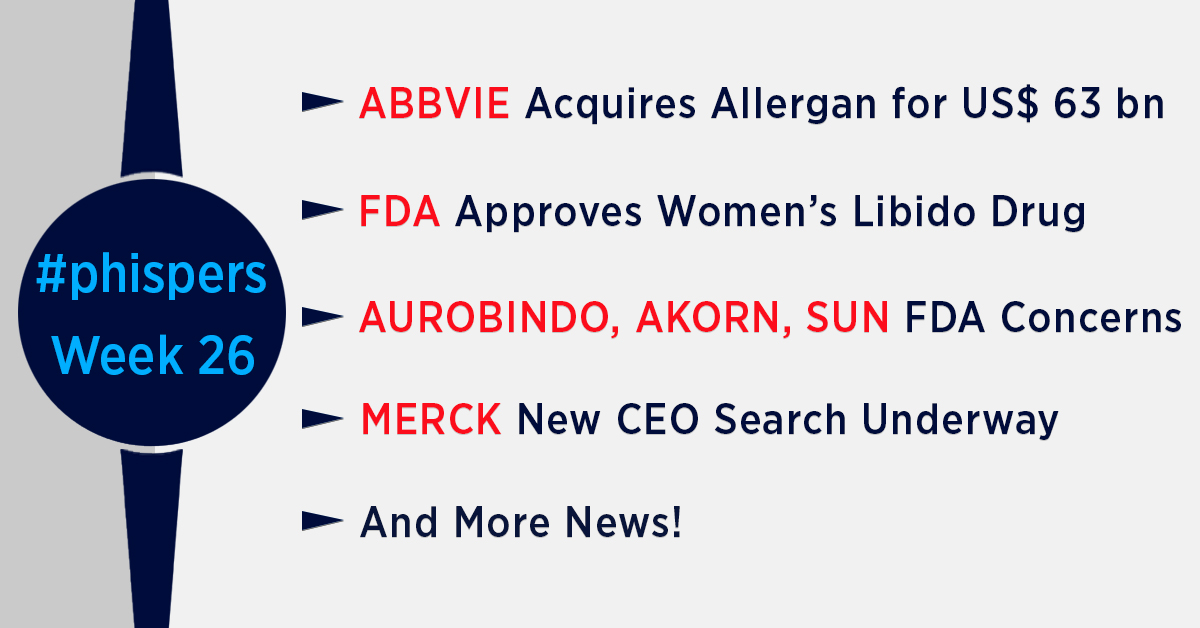
Image Credit : #Phisper Infographic by SCORR MARKETING & PharmaCompass is licensed under CC BY 2.0
“ The article is based on the information available in public and which the author believes to be true. The author is not disseminating any information, which the author believes or knows, is confidential or in conflict with the privacy of any person. The views expressed or information supplied through this article is mere opinion and observation of the author. The author does not intend to defame, insult or, cause loss or damage to anyone, in any manner, through this article.”