Find Alpha Lipoic Acid manufacturers, exporters & distributors on PharmaCompass

PharmaCompass

Synopsis

Synopsis

0INTERMEDIATES

REF. STANDARDS OR IMPURITIES

0

USP

0

JP

FINISHED DOSAGE FORMULATIONS

0

FDA Orange Book

0

Canada

0

Australia

0

South Africa

FDF Dossiers

DRUG PRODUCT COMPOSITIONS

76RELATED EXCIPIENT COMPANIES

117EXCIPIENTS BY APPLICATIONS

PATENTS & EXCLUSIVITIES

0

US Patents

0

US Exclusivities

0

Health Canada Patents

GLOBAL SALES INFORMATION

US Medicaid

NA

Annual Reports

NA

Regulatory FDF Prices

NA

MARKET PLACE

DIGITAL CONTENT

0

Stock Recap #PipelineProspector

0

Weekly News Recap #Phispers
Chemistry

Click the arrow to open the dropdown
read-moreClick the button for full data set
Also known as: Dl-thioctic acid, Alpha-lipoic acid, 1077-28-7, 5-(1,2-dithiolan-3-yl)pentanoic acid, Dl-alpha-lipoic acid, 1,2-dithiolane-3-pentanoic acid
Molecular Formula
C8H14O2S2
Molecular Weight
206.3  g/mol
InChI Key
AGBQKNBQESQNJD-UHFFFAOYSA-N
FDA UNII
73Y7P0K73Y

Alpha Lipoic Acid
An octanoic acid bridged with two sulfurs so that it is sometimes also called a pentanoic acid in some naming schemes. It is biosynthesized by cleavage of LINOLEIC ACID and is a coenzyme of oxoglutarate dehydrogenase (KETOGLUTARATE DEHYDROGENASE COMPLEX). It is used in DIETARY SUPPLEMENTS.
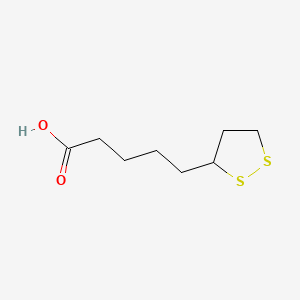
1 2D Structure

Alpha Lipoic Acid

2 Identification
2.1 Computed Descriptors
2.1.1 IUPAC Name
5-(dithiolan-3-yl)pentanoic acid
2.1.2 InChI
InChI=1S/C8H14O2S2/c9-8(10)4-2-1-3-7-5-6-11-12-7/h7H,1-6H2,(H,9,10)
2.1.3 InChI Key
AGBQKNBQESQNJD-UHFFFAOYSA-N
2.1.4 Canonical SMILES
C1CSSC1CCCCC(=O)O
2.2 Other Identifiers
2.2.1 UNII
73Y7P0K73Y
2.3 Synonyms
2.3.1 MeSH Synonyms

1. Acid, Alpha-lipoic

2. Alpha Lipogamma

3. Alpha Lipoic Acid

4. Alpha Lipon Stada

5. Alpha Liponaure Heumann

6. Alpha Liponsaure Sofotec

7. Alpha Liponsaure Von Ct

8. Alpha Lippon Al

9. Alpha Vibolex

10. Alpha-lipogamma

11. Alpha-lipoic Acid

12. Alpha-lipon Stada

13. Alpha-liponaure Heumann

14. Alpha-liponsaure Sofotec

15. Alpha-liponsaure Von Ct

16. Alpha-lippon Al

17. Alpha-vibolex

18. Alphaflam

19. Alphalipogamma

20. Alphalipon Stada

21. Alphaliponaure Heumann

22. Alphaliponsaure Sofotec

23. Alphaliponsaure Von Ct

24. Alphalippon Al

25. Alphavibolex

26. Azulipont

27. Biomo Lipon

28. Biomo-lipon

29. Biomolipon

30. Duralipon

31. Espa Lipon

32. Espa-lipon

33. Espalipon

34. Fenint

35. Injekt, Thiogamma

36. Juthiac

37. Lipoic Acid

38. Liponsaure Ratiopharm

39. Liponsaure-ratiopharm

40. Liponsaureratiopharm

41. Mtw Alphaliponsaure

42. Mtw-alphaliponsaure

43. Mtwalphaliponsaure

44. Neurium

45. Pleomix Alpha

46. Pleomix Alpha N

47. Pleomix-alpha

48. Pleomix-alpha N

49. Pleomixalpha

50. Pleomixalpha N

51. Thioctacid

52. Thioctacide T

53. Thiogamma Injekt

54. Thiogamma Oral

55. Tromlipon

56. Verla Lipon

57. Verla-lipon

58. Verlalipon

2.3.2 Depositor-Supplied Synonyms

1. Dl-thioctic Acid

2. Alpha-lipoic Acid

3. 1077-28-7

4. 5-(1,2-dithiolan-3-yl)pentanoic Acid

5. Dl-alpha-lipoic Acid

6. 1,2-dithiolane-3-pentanoic Acid

7. Biletan

8. Alpha Lipoic Acid

9. 6,8-thioctic Acid

10. Thioctacid

11. Dl-6,8-thioctic Acid

12. 6-thioctic Acid

13. Lipothion

14. 62-46-4

15. 5-(dithiolan-3-yl)pentanoic Acid

16. Dl-lipoic Acid

17. Liposan

18. Thioctsan

19. Tioctacid

20. Rac-lipoate

21. 1,2-dithiolane-3-valeric Acid

22. 6,8-dithiooctanoic Acid

23. Alpha-liponsaeure

24. Dl-6-thioctic Acid

25. Thioctic Acid Dl-form

26. 5-(1,2-dithiolan-3-yl)valeric Acid

27. Alpha-liponic Acid

28. Thioktsaeure

29. Tioctidasi

30. (rs)-lipoic Acid

31. Espa-lipon

32. 5-(dithiolan-3-yl)valeric Acid

33. Acetate-replacing Factor

34. 6,8-thiotic Acid

35. Thioctansaeure

36. 6-thiotic Acid

37. .alpha.-lipoic Acid

38. Dl-1,2-dithiolane 3-valeric Acid

39. (+-)-lipoic Acid

40. Thioctate

41. Thioctic Acid [jan]

42. Thioctsaeure

43. Thiocacid

44. Thioctan

45. Liponic Acid

46. Thiooctic Acid

47. A-lipoic Acid

48. Dl-.alpha.-lipoic Acid

49. Acidum Thiocticum

50. (+/-)-1,2-dithiolane-3-pentanoic Acid

51. A-lipoicum Acidum

52. Dl-1,2-dithiolane-3-valeric Acid

53. Lipoate

54. Mfcd00005474

55. Nsc 90788

56. Lipoic Acid, Alpha

57. Lipoic Acid, Dl-

58. Nsc 628502

59. (+-)-1,2-dithiolane-3-pentanoic Acid

60. .alpha.-liponic Acid

61. Chebi:16494

62. Dl-1,2-dithiolan-3-valeriansaeure

63. (.+-.)-lipoic Acid

64. Nsc-90788

65. (rs)-.alpha.-lipoic Acid

66. 5-[3-(1,2-dithiolanyl)]pentanoic Acid

67. Chembl33864

68. Tioctic Acid

69. (.+-.)-.alpha.-lipoic Acid

70. 73y7p0k73y

71. 1,2-dithiolane-3-valeric Acid, (+-)-

72. Nsc90788

73. Nsc-628502

74. Thioctic Acid (jan)

75. Ncgc00016032-06

76. Dsstox_cid_5508

77. Protogen A

78. (+/-)-alpha-lipoic Acid

79. Dsstox_rid_77816

80. Dsstox_gsid_25508

81. (r)-(+)-alpha-lipoic Acid;r-(+)-thioctic Acid

82. Thioktsaeure [german]

83. Biomolipon

84. Duralipon

85. Alipure

86. Alphalipogamma

87. Thiotacid

88. Biomo Lipon

89. Espa Lipon

90. Alpha Lipogamma

91. Alpha-lipogamma

92. Pyruvate Oxidation Factor

93. Dl-thiocticacid

94. Pleomix Alpha

95. Thioctacide T

96. Verla Lipon

97. Alphalipon Stada

98. Alpha Lippon Al

99. Alpha-liponsaeure [german]

100. Alpha Lipon Stada

101. Alpha-lipon Stada

102. 5-(1,2)dithiolan-3-yl-pentanoic Acid

103. 5-[1,2]dithiolan-3-yl-pentanoic Acid

104. Liponsaureratiopharm

105. Alpha-lipon 300

106. Smr000058198

107. Cas-1077-28-7

108. Liponsaure-ratiopharm

109. (+-)-thioctic Acid

110. 5-(3-(1,2-dithiolanyl))pentanoic Acid

111. Alpha Liponsaure Von Ct

112. Tioctidasi Acetate Replacing Factor

113. Sr-01000737460

114. Dl-6,8-dithiooctanoic Acid

115. Lip(s2)

116. (rs)-alpha-lipoic Acid

117. Einecs 200-534-6

118. Einecs 214-071-2

119. (+-)-alpha-lipoic Acid

120. Brn 0081853

121. Brn 0122410

122. Unii-73y7p0k73y

123. Alpha Lipoic

124. Alphalipoic-acid

125. Dl-1,2-dithiolan-3-valeriansaeure [german]

126. Thioctic Acid [inn:ban:jan]

127. Hsdb 7818

128. Alpha-lipoic-acid

129. D,l-lipoic Acid

130. Thiotomin (tn)

131. Dl-a-lipoic Acid

132. D,l-thioctic Acid

133. Lipoic Acid (la)

134. Alpha -lipoic Acid

135. Rac ?-lipoic Acid

136. (rs)-thioctic Acid

137. Lipoic-acid

138. ()-alpha-lipoic Acid

139. Spectrum_001618

140. 5-(1,2-dithiolan-3-yl)-pentanoate

141. Thioctic Acid, Dl-form

142. R-(+)-alpalipoic Acid

143. 1,2-dithiolane-3-pentanoic Acid, (+-)-

144. Spectrum2_001605

145. Spectrum3_001188

146. Spectrum4_000217

147. Spectrum5_001298

148. (s)-(-)-thiocticacid

149. (+/-)-a-lipoic Acid

150. Cid_864

151. (.+-.)-thioctic Acid

152. Lipoic Acid, Alpha [nf]

153. Bmse000542

154. Epitope Id:150922

155. (+/-)-?-lipoic Acid

156. (.+/-.)-lipoic Acid

157. Thioctic Acid [mi]

158. Schembl51065

159. Bspbio_002835

160. Dl-thioctic Acid (oxidized)

161. Kbiogr_000853

162. Kbioss_002098

163. Thioctic Acid [hsdb]

164. Thioctic Acid [inci]

165. 5-19-07-00237 (beilstein Handbook Reference)

166. Mls000069736

167. Mls001332379

168. Mls001332380

169. Mls002153365

170. Divk1c_000912

171. Spectrum1503941

172. Spbio_001609

173. Thioctic Acid [mart.]

174. Thioctic Acid [who-dd]

175. Dtxsid7025508

176. Bdbm10515

177. Hms502n14

178. Kbio1_000912

179. Kbio2_002098

180. Kbio2_004666

181. Kbio2_007234

182. Kbio3_002335

183. A-lipoicum Acidum [hpus]

184. Alpha Lipoic Acid [vandf]

185. Alpha-lipoic Acid [vandf]

186. Ninds_000912

187. Thioctic Acid (alpha-lipoic Acid)

188. Hms1922m22

189. Hms3649h08

190. Hms3885i16

191. Pharmakon1600-01503941

192. Thioctic Acid, (+/-)-

193. Act14091

194. Albb-030318

195. Alpha Lipoic Acid [usp-rs]

196. Bcp13221

197. Bcp14048

198. Bcp18944

199. Hy-n0492

200. Thioctic Acid Dl-form [mi]

201. Tox21_110285

202. Tox21_201808

203. Tox21_303092

204. Ac7875

205. Bbl013878

206. Ccg-39063

207. Dl-1,2-dithiolane-3-pentanoic Acid

208. Nsc628502

209. Nsc758651

210. S3996

211. Stk801969

212. Thioctic Acid [ep Monograph]

213. ()-1,2-dithiolane-3-pentanoic Acid

214. Akos000121582

215. Akos016339634

216. Tox21_110285_1

217. Ab09328

218. Am84329

219. Cs-4370

220. Ks-1322

221. Nsc-758651

222. Sb49517

223. Idi1_000912

224. Alpha Lipoic Acid [usp Impurity]

225. Dl-thioctic Acid (oxidized) 25g

226. Ncgc00016032-02

227. Ncgc00016032-03

228. Ncgc00016032-04

229. Ncgc00016032-05

230. Ncgc00016032-07

231. Ncgc00016032-08

232. Ncgc00016032-09

233. Ncgc00016032-11

234. Ncgc00016032-14

235. Ncgc00090872-01

236. Ncgc00090872-02

237. Ncgc00090872-03

238. Ncgc00090872-04

239. Ncgc00090872-05

240. Ncgc00256970-01

241. Ncgc00259357-01

242. (+/-)-alpha-lipoic Acid, >=98.0%

243. .alpha.-lipoic Acid, (+/-)-

244. Ac-22673

245. Bp-31070

246. Nci60_042014

247. R)-(+)-

248. A-lipoic Acid Ooethyaoethaea

249. Sy010902

250. (r)-(+)-(c) Paragraph Sign-lipoic Acid

251. Sbi-0051871.p002

252. 5-(1,2-dithiolan-3-yl)pentanoic Acid #

253. Db-050522

254. ( Inverted Exclamation Marka)-a-lipoic Acid

255. 1,2-dithiolane-3-valeric Acid, (.+-.)-

256. Ft-0622068

257. Ft-0625429

258. Ft-0670812

259. Ft-0670813

260. L0058

261. 1,2-dithiolane-3-pentanoic Acid, (.+-.)-

262. 1,2-dithiolane-3-valeric Acid, (.+/-.)-

263. 1,2-dithiolane-3-pentanoic Acid, (.+/-.)-

264. C00725

265. D00086

266. Ab00052393_09

267. (+/-)?-?1,2-?dithiolane-?3-?pentanoic Acid

268. A801751

269. Q312229

270. 1,2-dithiolane-3-pentanoic Acid, (+-)- (9ci)

271. J-002007

272. J-520421

273. Sr-01000737460-2

274. Sr-01000737460-6

275. 5-((3rs)-1,2-dithiolan-3-yl)pentanoic Acid

276. F2191-0208

277. .delta.-(3-(1,2-dithiacyclopentyl))pentanoic Acid

278. Thioctic Acid, European Pharmacopoeia (ep) Reference Standard

279. (+/-)-alpha-lipoic Acid, Bioreagent, Cell Culture Tested, >=99%

280. (+/-)-alpha-lipoic Acid, Synthetic, >=99% (titration), Powder

281. Alpha Lipoic Acid, United States Pharmacopeia (usp) Reference Standard

282. (r)-(+)-1,2-dithiolane-3-pentanoic Acid; R-(+)-thioctic Acid; R-(+)-alpha-lipoic Acid

283. Afae'a Centa' Nota Inverted Exclamation Markafasa'a

284. Afae'adaggeratrade Mark?-lipoic Acid

285. Thioctic Acid Containing Impurity B, European Pharmacopoeia (ep) Reference Standard

286. Thioctic Acid For System Suitability, European Pharmacopoeia (ep) Reference Standard

287. Thioctic Acid;1,2-dithiolane-3-pentanoic Acid;5-(1,2-dithiolan-3-yl)valeric Acid

2.3.3 Other Synonyms

1. 1200-22-2

2. (r)-lipoic Acid

3. Heparlipon

4. Lipoec

5. Tioctic Acid

2.4 Create Date
2004-09-16
3 Chemical and Physical Properties
Molecular Weight 206.3 g/mol
Molecular Formula C8H14O2S2
XLogP31.7
Hydrogen Bond Donor Count1
Hydrogen Bond Acceptor Count4
Rotatable Bond Count5
Exact Mass206.04352203 g/mol
Monoisotopic Mass206.04352203 g/mol
Topological Polar Surface Area87.9 Ų
Heavy Atom Count12
Formal Charge0
Complexity150
Isotope Atom Count0
Defined Atom Stereocenter Count0
Undefined Atom Stereocenter Count1
Defined Bond Stereocenter Count0
Undefined Bond Stereocenter Count0
Covalently Bonded Unit Count1
4 Drug and Medication Information
4.1 Therapeutic Uses

/EXPERIMENTAL THERAPY/ The aim of this trial was to evaluate the effects of alpha-lipoic acid (ALA) on positive sensory symptoms and neuropathic deficits in diabetic patients with distal symmetric polyneuropathy (DSP). In this multicenter, randomized, double-blind, placebo-controlled trial, 181 diabetic patients in Russia and Israel received once-daily oral doses of 600 mg (n = 45) (ALA600), 1,200 mg (n = 47) (ALA1200), and 1,800 mg (ALA1800) of ALA (n = 46) or placebo (n = 43) for 5 weeks after a 1-week placebo run-in period. The primary outcome measure was the change from baseline of the Total Symptom Score (TSS), including stabbing pain, burning pain, paresthesia, and asleep numbness of the feet. Secondary end points included individual symptoms of TSS, Neuropathy Symptoms and Change (NSC) score, Neuropathy Impairment Score (NIS), and patients' global assessment of efficacy. Mean TSS did not differ significantly at baseline among the treatment groups and on average decreased by 4.9 points (51%) in ALA600, 4.5 (48%) in ALA1200, and 4.7 (52%) in ALA1800 compared with 2.9 points (32%) in the placebo group (all P < 0.05 vs. placebo). The corresponding response rates (> or = 50% reduction in TSS) were 62, 50, 56, and 26%, respectively. Significant improvements favoring all three ALA groups were also noted for stabbing and burning pain, the NSC score, and the patients' global assessment of efficacy. The NIS was numerically reduced. Safety analysis showed a dose-dependent increase in nausea, vomiting, and vertigo. CONCLUSIONS: Oral treatment with ALA for 5 weeks improved neuropathic symptoms and deficits in patients with DSP. An oral dose of 600 mg once daily appears to provide the optimum risk-to-benefit ratio.

PMID:17065669 Ziegler D E et al; Diabetes Care 29 (11): 2365-70 (2006)


/EXPERIMENTAL THERAPY/ Mitochondria produce reactive oxygen species that may contribute to vascular dysfunction. alpha-Lipoic acid and acetyl-L-carnitine reduce oxidative stress and improve mitochondrial function. In a double-blind crossover study, the authors examined the effects of combined alpha-lipoic acid/acetyl-L-carnitine treatment and placebo (8 weeks per treatment) on vasodilator function and blood pressure in 36 subjects with coronary artery disease. Active treatment increased brachial artery diameter by 2.3% (P=.008), consistent with reduced arterial tone. Active treatment tended to decrease systolic blood pressure for the whole group (P=.07) and had a significant effect in the subgroup with blood pressure above the median (151+/-20 to 142+/-18 mm Hg; P=.03) and in the subgroup with the metabolic syndrome (139+/-21 to 130+/-18 mm Hg; P=.03). Thus, mitochondrial dysfunction may contribute to the regulation of blood pressure and vascular tone....

PMID:17396066 Full text: https://www.ncbi.nlm.nih.gov/pmc/articles/PMC2734271 McMackin CJ et al; J Clin Hypertens (Greenwich) 9 (4): 249-55 (2007)


/EXPERIMENTAL THERAPY/ Lipoic acid is an antioxidant that suppresses and treats an animal model of multiple sclerosis, experimental autoimmune encephalomyelitis. The purpose of this study was to determine the pharmacokinetics (PK), tolerability and effects on matrix metalloproteinase-9 (MMP-9) and soluble intercellular adhesion molecule-1 (sICAMP-1) of oral lipoic acid in patients with multiple sclerosis. Thirty-seven MS subjects were randomly assigned to one of four groups: placebo, lipoic acid 600 mg twice a day, lipoic acid 1200 mg once a day and lipoic acid 1200 mg twice a day. Subjects took study capsules for 14 days. ... Subjects taking 1200 mg lipoic acid had substantially higher peak serum lipoic acid levels than those taking 600 mg and that peak levels varied considerably among subjects. We also found a significant negative correlation between peak serum lipoic acid levels and mean changes in serum MMP-9 levels (T = -0.263, P =0.04). There was a significant dose response relationship between lipoic acid and mean change in serum sICAM-1 levels (P =0.03). ... Oral lipoic acid is generally well tolerated and appears capable of reducing serum MMP-9 and sICAM-1 levels. Lipoic acid may prove useful in treating MS by inhibiting MMP-9 activity and interfering with T-cell migration into the CNS.

PMID:15794388 Yadav V et al; Mult Scler 11 (2): 159-65 (2005)


/EXPERIMENTAL THERAPY/ Mitochondrial dysfunction and oxidative damage are highly involved in the pathogenesis of Parkinson's disease. Some mitochondrial antioxidants/nutrients that can improve mitochondrial function and/or attenuate oxidative damage have been implicated in Parkinson's disease therapy. However, few studies have evaluated the preventative effects of a combination of mitochondrial antioxidants/nutrients against Parkinson's disease, and even fewer have sought to optimize the doses of the combined agents. The present study examined the preventative effects of two mitochondrial antioxidant/nutrients, R-alpha-lipoic acid (LA) and acetyl-L-carnitine (ALC), in a chronic rotenone-induced cellular model of Parkinson's disease. We demonstrated that 4-week pretreatment with LA and/or ALC effectively protected SK-N-MC human neuroblastoma cells against rotenone-induced mitochondrial dysfunction, oxidative damage, and accumulation of alpha-synuclein and ubiquitin. Most notably, we found that when combined, LA and ALC worked at 100 to 1000 fold lower concentrations than they did individually. We also found that pretreatment with combined LA and ALC increased mitochondrial biogenesis and decreased production of reactive oxygen species through the upregulation of the peroxisome proliferator-activated receptor-gamma coactivator 1alpha as a possible underlying mechanism. This study provides important evidence that combining mitochondrial antioxidant/nutrients at optimal doses might be an effective and safe prevention strategy for Parkinson's disease. /R-alpha-lipoic acid/

PMID:18624765 Zhang H et al; J Cell Mol Med. 2008 Jun 20. (Epub ahead of print)


For more Therapeutic Uses (Complete) data for alpha-Lipoic acid (11 total), please visit the HSDB record page.


4.2 Drug Warning

Those with diabetes and problems with glucose intolerance are cautioned that supplemental alpha-lipoic acid may lower blood glucose levels. Blood glucose should be monitored and antidiabetic drug dose adjusted, if necessary, to avoid possible hypoglycemia.

PDR for Nutritional Supplements 2nd ed. Thomson Reuters, Montvale, NJ 2008, p. 28


Because of lack of long-term safety data, alpha-lipoic acid should be avoided by pregnant and nursing mothers.

PDR for Nutritional Supplements 2nd ed. Thomson Reuters, Montvale, NJ 2008, p. 28


5 Pharmacology and Biochemistry
5.1 MeSH Pharmacological Classification

Antioxidants

Naturally occurring or synthetic substances that inhibit or retard oxidation reactions. They counteract the damaging effects of oxidation in animal tissues. (See all compounds classified as Antioxidants.)


Vitamin B Complex

A group of water-soluble vitamins, some of which are COENZYMES. (See all compounds classified as Vitamin B Complex.)


5.2 ATC Code

A - Alimentary tract and metabolism

A16 - Other alimentary tract and metabolism products

A16A - Other alimentary tract and metabolism products

A16AX - Various alimentary tract and metabolism products

A16AX01 - Thioctic acid


5.3 Absorption, Distribution and Excretion

To determine the concentration of alpha-lipoic acid in the aqueous humour and investigate if its topical instillation can increase quantities. Methods: Seventy patients selected to undergo cataract surgery were randomly divided into two groups. Group 1 was used as a control group; for the patients in Group 2, a single instillation of alpha-lipoic acid eye drops (1%) was administered. Immediately before surgery an aliquot of 40-120 microL of aqueous humour was aspirated. The individual aspirations were combined to constitute pools representing time intervals with respect to administration. The levels of alpha-lipoic acid in the aqueous humour were measured using gas chromatography/mass-spectrometry. Pool 0 was created by combining the samples of aqueous humour obtained from the patients in Group 1, the control group, and the level of alpha-lipoic acid was 27.5 + 2.6 ng/mL; in the other pools the time interval between the administration of the eye drops and sampling was respectively 23 minutes, 53 minutes, 72 minutes, 93 minutes and 114 minutes, and the level of alpha-lipoic acid was 33.0 + 10.8 ng/mL; 52.0 + 2.5 ng/mL; 86.7 + 2.5 ng/mL; 91.2 + 2.5 ng/mL; 80.3 + 2.5 ng/mL. /The/ study demonstrates the presence of alpha-lipoic acid in the aqueous humour and indicates that its concentration increases after it is administered in the form of eye drops, reaching maximum values after around 93 minutes. The concentrations that are achieved in the anterior chamber allow us to theorise the possibility of exploiting the antioxidant properties of alpha-lipoic acid.

PMID:20456443 Cagini C et al; Clin Experiment Ophthalmol 38 (6): 572-6 (2010)


R(+)-alpha-lipoic acid is a natural occurring compound that acts as an essential cofactor for certain dehydrogenase complexes. The redox couple alpha-lipoic acid/dihydrolipoic acid possesses potent antioxidant activity. Exogenous racemic alpha-lipoic acid orally administered for the symptomatic treatment of diabetic polyneuropathy is readily and nearly completely absorbed, with a limited absolute bioavailability of about 30% caused by high hepatic extraction. Although the pharmacokinetics of the parent drug have been well characterized in humans, relatively little is known regarding the excretion of alpha-lipoic acid and the pharmacokinetics of any metabolites in humans. In the present study, plasma concentration-time courses, urinary excreted amounts, and pharmacokinetic parameters of alpha-lipoic acid metabolites were evaluated in 9 healthy volunteers after multiple once-daily oral administration of 600 mg racemic alpha-lipoic acid. The primary metabolic pathways of alpha-lipoic acid in man, S-methylation and beta-oxidation, were quantitatively confirmed by an HPLC-electrochemical assay newly established prior to the beginning of this study. Major circulating metabolites were the S-methylated beta-oxidation products 4,6-bismethylthio-hexanoic acid and 2,4-bismethylthio-butanoic acid, whereas its conjugated forms accounted for the major portion excreted in urine. There was no statistically significant difference in the pharmacokinetic parameters Cmax, AUC, and tmax between day 1 and day 4. Despite the prolonged half-lives of the major metabolites compared to the parent drug, no evidence of accumulation was found. Mean values of 12.4% of the administered dose were recovered in the urine after 24 hours as the sum of alpha-lipoic acid and its metabolites. The results of the present study revealed that urinary excretion of alpha-lipoic acid and five of its main metabolites does not play a significant role in the elimination of alpha-lipoic acid. Therefore, biliary excretion, further electrochemically inactive degradation products, and complete utilization of alpha-lipoic acid as a primary substrate in the endogenous metabolism should be considered.

PMID:14551180 Teichert J et al; J Clin Pharmacol 43 (11):1257-67 (2003)


In an open-label, parallel-group study involving 16 patients (8 with severely reduced renal function, 8 with end-stage renal disease needing hemodialysis), the effect of renal function on the pharmacokinetics, metabolism, and safety `of alpha-lipoic acid (thioctic acid) was evaluated by comparing the pharmacokinetic parameters with those of a reference group of 8 healthy subjects. Alpha-lipoic acid 600 mg was administered orally once daily for 4 days, and the pharmacokinetic parameters were measured on days 1 and 4. The mean percentage of the administered dose excreted in urine as parent compound was 0.2 and 0.05 in healthy subjects and subjects with severely reduced renal function, respectively. Assuming a bioavailability of 30%, this represents 0.67% and 0.17% of the bioavailable amount of alpha-lipoic acid, respectively. The percentage of total urinary recovered amounts of alpha-lipoic acid and 5 of its metabolites was 12.0 on both days. The respective values for patients with severe kidney damage were 5.2% (day 1) and 6.4% (day 4). The total percentage of the administered dose removed by hemodialysis was 4.0 in patients with end-stage renal disease. Renal clearance of alpha-lipoic acid and its major metabolites, 6,8-bismethylthio-octanoic acid, 4,6-bismethylthio-hexanoic acid and 2,4-bismethylthio-butanoic acid, were significantly decreased in subjects with kidney damage compared to the reference group. Apparent total clearance of alpha-lipoic acid was poorly correlated with creatinine clearance. There is strong evidence that alpha-lipoic acid is mainly excreted by nonrenal mechanism or further degraded to smaller units in the catabolic process. The significantly increased area under the curve values of 4,6-bismethylthio-hexanoic acid and half-lives of 2,4-bismethylthio-butanoic acid on both days in patients with severely reduced function and end-stage renal disease were not considered to be clinically relevant. Although trough levels of both metabolites tend to increase slightly in these subjects, no accumulation effects were detected. We conclude that the pharmacokinetics of alpha-lipoic acid are not influenced by creatinine clearance and are unaffected in subjects with severely reduced kidney function or end-stage renal disease. Hemodialysis did not significantly contribute to the clearance of alpha-lipoic acid. Hence, dose adjustment of alpha-lipoic acid is not necessary in patients with renal dysfunction.

PMID:15703366 Teichert J et al; J Clin Pharmacol 45 (3): 313-28 (2005)


Alpha-lipoic aicd is absorbed from the small intestine and distributed to the liver via the portal circulation and to various tissues in the body via the systemic circulation.The natural R-enantiomer is more readily absorbed than the L-enantiomer and is the more active form. Alpha-lipoic acid readily crosses the blood-brain barrier. It is found, after its distribution to the various body tissues, intracellularly, intramitochondrialy and extracellularly.

PDR for Nutritional Supplements 2nd ed. Thomson Reuters, Montvale, NJ 2008, p. 26


5.4 Metabolism/Metabolites

Alpha-lipoic acid is metabolized to its reduced form, dihydrolipoic acid by mitochondrial lipoamide dehydrogenase. Dihydroipoic acid, together with lipoic acid, form a redox couple. It is also metabolized to lipoamide, which functions as the lipoic acid cofactor in the multienzyme complexes that catalyze the oxidative decarboxylations of pyruvate and alpha-ketoglutarate. Alpha-lipoic acid may be metabolized to dithiol octanoic acid, which can undergo catabolism.

PDR for Nutritional Supplements 2nd ed. Thomson Reuters, Montvale, NJ 2008, p. 26


The excretion and biotransformation of rac-alpha-lipoic acid (LA), which is used for the symptomatic treatment of diabetic polyneuropathy, were investigated following single oral dosing of [(14)C]LA to mice (30 mg/kg), rats (30 mg/kg), dogs (10 mg/kg), and unlabeled LA to humans (600 mg). More than 80% of the radioactivity given was renally excreted. Metabolite profiles obtained by radiometric high-performance liquid chromatography revealed that LA was extensively metabolized irrespective of the species. Based on a new on-line liquid chromatography/tandem mass spectroscopy assay developed for negative ions, LA and a total of 12 metabolites were identified. Mitochondrial beta-oxidation played the paramount role in the metabolism of LA. Simultaneously, the circulating metabolites were subjected to reduction of the 1,2-dithiolane ring and subsequent S-methylation. In addition, evidence is given for the first time that the methyl sulfides formed were partly oxidized to give sulfoxides, predominantly in dogs. The disulfoxide of 2,4-bismethylmercapto-butanoic acid, the most polar metabolite identified, was the major metabolite in dogs. Furthermore, new data are presented that suggest conjugation with glycine occurred as a separate metabolic pathway in competition with beta-oxidation, predominantly in mice.

PMID:11353754 Schupke H et al; Drug Metab Dispos 29 (6): 855-62 (2001)


5.5 Mechanism of Action

Alpha-lipoic acid (LA) shows a protective effect on oxidative stress-induced apoptosis while it induces apoptosis in various cancer cells. Intracellular Ca(2+) plays a central role in triggering apoptotic pathways. In the present study, we aim to investigate whether LA induces apoptosis in lung cancer cells and whether Ca(2+) is involved in LA-induced apoptosis. We found that LA decreased cell viability and increased DNA fragmentation of the cells. LA activated the caspase-independent pathway, determined by upregulation of poly(ADP-ribose) polymerase (PARP) and increased the nuclear level of apoptosis-inducing factor and caspase-dependent apoptotic pathway, determined by increased levels of cytochrome c and PARP-1 cleavage product. LA-induced apoptotic alterations were inhibited in the cells treated with Ca(2+) chelator BAPTA-AM. In conclusion, LA induces apoptosis through caspase-independent and caspase-dependent pathways, which is mediated by intracellular Ca(2+).

PMID:19723049 Choi SY et al; Ann N Y Acad Sc 1171: 149-55 (2009)


Alpha-lipoic acid is known to increase insulin sensitivity in vivo and to stimulate glucose uptake into adipose and muscle cells in vitro. In this study, alpha-lipoic acid was demonstrated to stimulate the autophosphorylation of insulin receptor and glucose uptake into 3T3-L1 adipocytes by reducing the thiol reactivity of intracellular proteins. To elucidate mechanism of this effect, role of protein thiol groups and H(2)O(2) in insulin receptor autophosphorylation and glucose uptake was investigated in 3T3-L1 adipocytes following stimulation with alpha-lipoic acid. Alpha-lipoic acid or insulin treatment of adipocytes increased intracellular level of oxidants, decreased thiol reactivity of the insulin receptor beta-subunit, increased tyrosine phosphorylation of the insulin receptor, and enhanced glucose uptake. Alpha-lipoic acid or insulin-stimulated glucose uptake was inhibited (i) by alkylation of intracellular, but not extracellular, thiol groups downstream of insulin receptor activation, and (ii) by diphenylene iodonium at the level of the insulin receptor autophosphorylation. alpha-Lipoic acid also inhibited protein tyrosine phosphatase activity and decreased thiol reactivity of protein tyrosine phosphatase 1B. These findings indicate that oxidants produced by alpha-lipoic acid or insulin are involved in activation of insulin receptor and in inactivation of protein tyrosine phosphatases, which eventually result in elevated glucose uptake into 3T3-L1 adipocytes.

PMID:12948866 Cho KJ et al; Biochem Pharmacol 66 (5): 849-58 (2003)


Reactive oxygen (ROS) and nitrogen oxide (RNOS) species are produced as by-products of oxidative metabolism. A major function for ROS and RNOS is immunological host defense. Recent evidence indicate that ROS and RNOS may also function as signaling molecules. However, high levels of ROS and RNOS have been considered to potentially damage cellular macromolecules and have been implicated in the pathogenesis and progression of various chronic diseases. alpha-Lipoic acid and dihydrolipoic acid exhibit direct free radical scavenging properties and as a redox couple, with a low redox potential of -0.32 V, is a strong reductant. Several studies provided evidence that alpha-lipoic acid supplementation decreases oxidative stress and restores reduced levels of other antioxidants in vivo. However, there is also evidence indicating that alpha-lipoic acid and dihydrolipoic acid may exert prooxidant properties in vitro. alpha-Lipoic acid and dihydrolipoic acid were shown to promote the mitochondrial permeability transition in permeabilized hepatocytes and isolated rat liver mitochondria. Dihydrolipoic acid also stimulated superoxide anion production in rat liver mitochondria and submitochondrial particles. alpha-Lipoic acid was recently shown to stimulate glucose uptake into 3T3-L1 adipocytes by increasing intracellular oxidant levels and/or facilitating insulin receptor autophosphorylation presumably by oxidation of critical thiol groups present in the insulin receptor beta-subunit. Whether alpha-lipoic acid and/or dihydrolipoic acid-induced oxidative protein modifications contribute to their versatile effects observed in vivo warrants further investigation.

PMID:12127266 Moini H et al; Toxicol Appl Pharmacol 182 (1): 84-90 (2002)


This study investigated the effect of alpha-lipoic acid (ALA) in concentration range 0.7-5.0 mM on the intracellular level of reduced glutathione, the cell cycle phase distribution, the structure of microfilaments and microtubules of normal (3T3) and transformed (3T3-SV40) fibroblasts. We obtained that ALA increased the glutathione content in transformed cells, but did not change its level in normal cells, induced cell cycle arrest of 3T3 cells (but not 3T3-SV40 cells), and disrupted actin microfilaments in cells of both lines. The effect of ALA was compared with N-acetylcysteine (NAC) action. The whole complex of findings allows us to affirm that each of these antioxidants acts on its own target molecules in normal and transformed cells and activates different signal and metabolic pathways in these cells. But at the same time the intermediate steps of ALA and NAC action can be common (alteration of the intracellular level of glutathione, reorganization of actin cytoskeleton, etc.).

PMID:20141032 Vakhromova EA et al; Tsitologiia 51 (12): 971-7 (2009)


For more Mechanism of Action (Complete) data for alpha-Lipoic acid (7 total), please visit the HSDB record page.


CEP/COS

read-more
read-moreread-more
  • fda
  • EDQM
  • WHO-GMP

Virtual BoothTagoor's product development expertise, backed by our comprehensive understanding of the processes, helps us offer high-quality APIs.

Flag India
Digital Content Digital Content
CEP 2023-165 - Rev 00
Valid
Chemical
2024-09-27
1648
Tagoor Laboratories

01

  • fda
  • EDQM
  • WHO-GMP

Virtual BoothTagoor's product development expertise, backed by our comprehensive understanding of the processes, helps us offer high-quality APIs.

Flag India
Digital Content Digital Content

Certificate Number : CEP 2023-165 - Rev 00

Status : Valid

Issue Date : 2024-09-27

Type : Chemical

Substance Number : 1648

Tagoor Laboratories
  • fda
  • EDQM
  • WHO-GMP

Virtual BoothReliable Spanish CDMO Delivering High-Quality APIs and Intermediates with Excellence, Flexibility, and Regulatory Compliance.

Flag Spain
Digital Content Digital Content
CEP 2024-321 - Rev 00
Valid
Chemical
2025-12-11
1648
Kinsy SL Company Banner

02

  • fda
  • EDQM
  • WHO-GMP

Virtual BoothReliable Spanish CDMO Delivering High-Quality APIs and Intermediates with Excellence, Flexibility, and Regulatory Compliance.

Flag Spain
Digital Content Digital Content

Certificate Number : CEP 2024-321 - Rev 00

Status : Valid

Issue Date : 2025-12-11

Type : Chemical

Substance Number : 1648

Kinsy SL Company Banner

03

Sampe
Not Confirmed
arrow

04

Sampe
Not Confirmed
arrow
arrow
Sampe
Not Confirmed

Certificate Number : CEP 2025-138 - Rev 00

Status : Valid

Issue Date : 2025-07-04

Type : Chemical

Substance Number : 1648

blank

05

Sampe
Not Confirmed
arrow
arrow
Sampe
Not Confirmed

Certificate Number : CEP 2009-004 - Rev 06

Status : Valid

Issue Date : 2024-12-16

Type : Chemical

Substance Number : 1648

blank

06

Sampe
Not Confirmed
arrow
arrow
Sampe
Not Confirmed

Certificate Number : R1-CEP 2007-269 - Rev 01

Status : Valid

Issue Date : 2021-04-30

Type : Chemical

Substance Number : 1648

blank

07

Sampe
Not Confirmed
arrow

08

Sampe
Not Confirmed
arrow

09

Sampe
Not Confirmed
arrow

SUZHOU MEDINOAH LTD. Suzhou CN

Contact Supplier
Flag Country
Virtual Booth Virtual Booth
Digital Content Digital Content
CEP 2023-451 - Rev 00
Valid
Chemical
2025-05-21
1648
blank

10

SUZHOU MEDINOAH LTD. Suzhou CN

Country
Sampe
Not Confirmed
arrow

SUZHOU MEDINOAH LTD. Suzhou CN

Country
arrow
Sampe
Not Confirmed

Certificate Number : CEP 2023-451 - Rev 00

Status : Valid

Issue Date : 2025-05-21

Type : Chemical

Substance Number : 1648

blank
Full Screen ViewFULL SCREEN VIEW Click here to open all results in a new tab [this preview display 10 results]

JDMF

read-more
read-moreread-more

01

PCC
Not Confirmed
arrow
arrow
PCC
Not Confirmed

Thioctic acid

Registration Number : 222MF10195

Registrant's Address : 1133 Ōe, Imizu City, Toyama Prefecture

Initial Date of Registration : 2010-07-13

Latest Date of Registration : 2010-07-13

blank

02

PCC
Not Confirmed
arrow
arrow
PCC
Not Confirmed

Thioctic acid

Registration Number : 217MF10341

Registrant's Address : 1133 Ōe, Imizu City, Toyama Prefecture

Initial Date of Registration : 2005-07-21

Latest Date of Registration : 2009-09-28

blank

03

Sampe
Not Confirmed
arrow
arrow
Sampe
Not Confirmed

Non-pharmaceutical standard thioctic acid amide (for manufacturing only)

Registration Number : 227MF10162

Registrant's Address : 1133 Ōe, Imizu City, Toyama Prefecture

Initial Date of Registration : 2015-06-18

Latest Date of Registration : 2015-06-18

blank

04

PCC
Not Confirmed
arrow
arrow
PCC
Not Confirmed

Non-pharmaceutical standard thioctic acid amide (for manufacturing only)

Registration Number : 217MF10340

Registrant's Address : 1133 Ōe, Imizu City, Toyama Prefecture

Initial Date of Registration : 2005-07-21

Latest Date of Registration : 2010-02-16

blank
Full Screen ViewFULL SCREEN VIEW Click here to open all results in a new tab [this preview display 10 results]

KDMF

read-more
read-moreread-more

01

  • fda
  • EDQM
  • WHO-GMP

Virtual BoothTagoor's product development expertise, backed by our comprehensive understanding of the processes, helps us offer high-quality APIs.

Flag India
Digital Content Digital Content

Thioctic acid

Registrant Name : Pharmapia Co., Ltd.

Registration Date : 2025-01-23

Registration Number : 20250123-166-I-690-20

Manufacturer Name : Tagoor Laboratories Private ...

Manufacturer Address : Unit-III,Plot No.12, JNPharma City, Parawada (mdl), Anakapalli Dist.-531021, Andhra P...

Tagoor Laboratories

02

  • fda
  • EDQM
  • WHO-GMP

Virtual BoothTagoor's product development expertise, backed by our comprehensive understanding of the processes, helps us offer high-quality APIs.

Flag India
Digital Content Digital Content

Thioctic acid

Registrant Name : Pharmaline Co., Ltd.

Registration Date : 2025-06-02

Registration Number : 20250123-166-I-690-20(A)

Manufacturer Name : Tagoor Laboratories Private ...

Manufacturer Address : Unit-III,Plot No.12, JNPharma City, Parawada (mdl), Anakapalli District - 531021, And...

Tagoor Laboratories

03

Kinsy SL

Spain
  • fda
  • EDQM
  • WHO-GMP

Virtual BoothReliable Spanish CDMO Delivering High-Quality APIs and Intermediates with Excellence, Flexibility, and Regulatory Compliance.

Flag Spain
Digital Content Digital Content

Thioctic acid

Registrant Name : Aging Life Science Co., Ltd.

Registration Date : 2017-09-07

Registration Number : 20170907-166-I-526-12

Manufacturer Name : Kinsy SL

Manufacturer Address : Avda. Europa s/n, Parque Industrial de Alhama, Alhama de Murcia 30840, Spain

Kinsy SL Company Banner

04

CKD Bio Corporation

South Korea
PCC
Not Confirmed
arrow

CKD Bio Corporation

South Korea
arrow
PCC
Not Confirmed

Altioctic acid tromethamine salt

Registrant Name : Chong Kun Dang Bio Co., Ltd.

Registration Date : 2025-11-28

Registration Number : 20251128-166-I-739-26

Manufacturer Name : Chong Kun Dang Bio Co., Ltd....

Manufacturer Address : 292, Sinwon-ro, Danwon-gu, Ansan-si, Gyeonggi-do . @No.16 , Haiwang Road, Advanced Ma...

blank

05

PCC
Not Confirmed
arrow
arrow
PCC
Not Confirmed

Thioctic acid

Registrant Name : Medipoem Co., Ltd.

Registration Date : 2025-10-29

Registration Number : 20131108-166-I-202-04(10)

Manufacturer Name : Jiangsu Tohope Pharmaceutica...

Manufacturer Address : 188, Wuyishan Road, Southeast Economic Development Zone, Changshu City, Jiangsu Provi...

blank

06

PCC
Not Confirmed
arrow
arrow
PCC
Not Confirmed

Altioctic acid tromethamine salt

Registrant Name : SS Pharm Co., Ltd.

Registration Date : 2025-09-08

Registration Number : 20250626-166-I-721-24(A)

Manufacturer Name : Shandong Longzen Pharmaceuti...

Manufacturer Address : No. 987 Yuehe Sixth Road, Economic Development Zone, Zouping, Shandong, China

blank

07

PCC
Not Confirmed
arrow
arrow
PCC
Not Confirmed

Thioctic acid

Registrant Name : Inist Pharm Co., Ltd.

Registration Date : 2025-10-29

Registration Number : 20250626-166-I-722-25(1)

Manufacturer Name : Shandong Longzen Pharmaceuti...

Manufacturer Address : No. 987 Yuehe Sixth Road, Economic Development Zone, Zouping, Shandong, China

blank

08

PCC
Not Confirmed
arrow
arrow
PCC
Not Confirmed

Altioctic acid tromethamine salt

Registrant Name : Inist Pharm Co., Ltd.

Registration Date : 2025-10-29

Registration Number : 20250626-166-I-721-24(1)

Manufacturer Name : Shandong Longzen Pharmaceuti...

Manufacturer Address : No. 987 Yuehe Sixth Road, Economic Development Zone, Zouping, Shandong, China

blank

09

PCC
Not Confirmed
arrow
arrow
PCC
Not Confirmed

Altioctic acid tromethamine salt

Registrant Name : Next Bio Co., Ltd.

Registration Date : 2025-06-26

Registration Number : 20250626-166-I-721-24

Manufacturer Name : Shandong Longzen Pharmaceuti...

Manufacturer Address : No. 987 Yuehe Sixth Road, Economic Development Zone, Zouping, Shandong, China

blank

10

PCC
Not Confirmed
arrow
arrow
PCC
Not Confirmed

Thioctic acid

Registrant Name : Next Bio Co., Ltd.

Registration Date : 2025-06-26

Registration Number : 20250626-166-I-722-25

Manufacturer Name : Shandong Longzen Pharmaceuti...

Manufacturer Address : No. 987 Yuehe Sixth Road, Economic Development Zone, Zouping, Shandong, China

blank
click full view
Full Screen ViewFULL SCREEN VIEW Click here to open all results in a new tab [this preview display 10 results]

Listed Suppliers

read-more
read-more

01

  • fda
  • EDQM
  • WHO-GMP

Virtual BoothTagoor's product development expertise, backed by our comprehensive understanding of the processes, helps us offer high-quality APIs.

Flag India
Digital Content Digital Content

Alpha Lipoic Acid

About the Company : Tagoor Laboratories, established in 2018 and part of the Tagoor Group, provides APIs, advanced intermediates, and key starting materials for critical and high-growth therapeutic ar...

Tagoor Laboratories, established in 2018 and part of the Tagoor Group, provides APIs, advanced intermediates, and key starting materials for critical and high-growth therapeutic areas. The company emphasizes affordability, quality, and timely delivery, and also offers end-to-end CDMO services. Headquartered in Hyderabad, Tagoor Labs serves branded and generic pharmaceutical companies worldwide, with integrated functions covering R&D, manufacturing, quality, regulatory affairs, supply chain, marketing, and warehousing. Note: Product(s) under patent(s) are offered only for R&D purposes as per the Patent Act & not for commercial sale.
Tagoor Laboratories

02

  • fda
  • EDQM
  • WHO-GMP

Virtual BoothBasic Nutrition, your expert for sourcing from China, India and Europe.

Flag China
Digital Content Digital Content

alpha-Lipoic Acid

About the Company : As an ISO9001, ISO22000 certificated supplier, Basic Nutrition supply high-quality ingredients for nutraceuticals. We can offer a range of products from small to large quantites: h...

As an ISO9001, ISO22000 certificated supplier, Basic Nutrition supply high-quality ingredients for nutraceuticals. We can offer a range of products from small to large quantites: herbal extract, amino acid, vitamin, etc. Featured products: cranberry extract, rhidiola extract, Q10, hyaluronic acid, cysteine (non-animals), glutathoninr, orgaic products like organic spirulina, organic red yeast rice powder, etc.
Basic Nutrition Company Banner

03

Kinsy SL

Spain
  • fda
  • EDQM
  • WHO-GMP

Virtual BoothReliable Spanish CDMO Delivering High-Quality APIs and Intermediates with Excellence, Flexibility, and Regulatory Compliance.

Flag Spain
Digital Content Digital Content

Thioctic Acid

About the Company : Kinsy is an independent CDMO in Spain with over 30 years of experience in developing and manufacturing pharmaceutical intermediates and APIs. The company provides route development...

Kinsy is an independent CDMO in Spain with over 30 years of experience in developing and manufacturing pharmaceutical intermediates and APIs. The company provides route development, analytical optimization, pilot plant scale-up, and clinical-phase production using advanced purification techniques. Services include process validation, commercial-scale manufacturing (>100 MT/year), and regulatory support such as DMF, CEP, and REACH. Kinsy is ISO 9001-certified and operates under cGMP standards audited by AEMPS. Note: Product(s) under patent(s) are offered only for R&D purposes as per the Patent Act & not for commercial sale.
Kinsy SL Company Banner

04

LGM Pharma

U.S.A
  • fda
  • EDQM
  • WHO-GMP

Virtual BoothLGM Pharma accelerates & optimizes the new product pathway from early development through commercialization.

Flag U.S.A
Digital Content Digital Content

Alpha Lipoic Acid

About the Company : LGM Pharma is a global leader in sourcing APIs, including hard-to-find drug substances, for pharmaceutical and biotech industries. LGM also operates as a full-service drug product ...

LGM Pharma is a global leader in sourcing APIs, including hard-to-find drug substances, for pharmaceutical and biotech industries. LGM also operates as a full-service drug product CDMO, offering formulation, analytical method development and testing, regulatory support, and commercial manufacturing. Supported by a network of over 220 accredited cGMP manufacturing partners and more than 100,000 sq. ft. of FDA-inspected cGMP manufacturing and warehouse space, LGM delivers secure, end-to-end solutions across multiple dosage forms. Note: Product(s) under patent(s) are offered only for R&D purposes as per the Patent Act & not for commercial sale.
LGM Pharma CB

05

  • fda
  • EDQM
  • WHO-GMP

Virtual BoothRochem, your partner in developing, sourcing, and supplying pharmaceutical & animal health ingredients of Chinese origin.

Flag U.S.A
Digital Content Digital Content

Alpha Lipoic Acid

About the Company : Rochem, established in 1994, is a global distributor of pharmaceutical, food, nutritional, and animal health ingredients, sourcing high-quality products from China. Headquartered i...

Rochem, established in 1994, is a global distributor of pharmaceutical, food, nutritional, and animal health ingredients, sourcing high-quality products from China. Headquartered in Hauppauge, New York, it operates 16 offices worldwide. Rochem’s operations are fully cGMP compliant and have been audited by the USFDA and several multinational organizations. The company also trains and audits its partners to ensure FDA-compliant technologies and systems. Note: Product(s) under patent(s) are offered only for R&D purposes as per the Patent Act & not for commercial sale.
Rochem

06

  • fda
  • EDQM
  • WHO-GMP

Virtual BoothPharm-Rx is a reputed global importer and distributor of pharmaceutical active ingredients.

Flag U.S.A
Digital Content Digital Content

Alpha Lipoic Acid

About the Company : Established in 1991, Pharm-Rx is an importer and distributor of active ingredients serving the pharmaceutical, nutritional supplement, and food industries. The company follows a hi...

Established in 1991, Pharm-Rx is an importer and distributor of active ingredients serving the pharmaceutical, nutritional supplement, and food industries. The company follows a highly selective supplier qualification process, including direct visits to overseas manufacturers, to maintain high quality standards. Pharm-Rx’s growth is driven by a consistent focus on quality ingredients, competitive pricing, and customer service. Note: Product(s) under patent(s) are offered only for R&D purposes as per the Patent Act & not for commercial sale.
Pharm RX

07

  • fda
  • EDQM
  • WHO-GMP

Virtual BoothAMI Lifesciences is Driven by Chemistry. Powered by People.

Flag India
Digital Content Digital Content

Alpha Lipoic Acid

About the Company : Ami Lifesciences, established in 2006, is a rapidly growing API manufacturing company in India with strong capabilities in cardiovascular, anti-diabetic, CNS, and respiratory thera...

Ami Lifesciences, established in 2006, is a rapidly growing API manufacturing company in India with strong capabilities in cardiovascular, anti-diabetic, CNS, and respiratory therapies. The company offers a diverse portfolio of APIs, intermediates, key starting materials, and contract bulk manufacturing services. Its advanced manufacturing facilities in Gujarat and Karnataka feature dedicated clean rooms and comply with EU-GMP, WHO-GMP, PMDA, and COFEPRIS standards. Note: Product(s) under patent(s) are offered only for R&D purposes as per the Patent Act & not for commercial sale.
AMI Lifesciences

08

  • fda
  • EDQM
  • WHO-GMP

Virtual BoothWillow Birch Pharma delivers trusted, high-quality APIs nationwide with unmatched service, compliance, and competitive value.

Flag U.S.A
Digital Content Digital Content

Alpha Lipoic Acid

About the Company : Willow Birch Pharma, Inc. is a premier supplier of bulk APIs to North American Compounding Pharmacies, sourcing from FDA registered and GMP manufacturers. With licenses in all 50 s...

Willow Birch Pharma, Inc. is a premier supplier of bulk APIs to North American Compounding Pharmacies, sourcing from FDA registered and GMP manufacturers. With licenses in all 50 states as a drug wholesaler and NABP accreditation since 2007, Willow Birch Pharma delivers top-quality products at competitive prices with unparalleled service and regulatory support nationwide. Note: Product(s) under patent(s) are offered only for R&D purposes as per the Patent Act & not for commercial sale.
Company Banner

09

  • fda
  • EDQM
  • WHO-GMP

Virtual BoothPanvo Organics: Advancing quality APIs and formulations with Halal, Kosher, US FDA, and WHO-approved manufacturing excellence.

Flag India
Digital Content Digital Content

Alpha Lipoic Acid

About the Company : Panvo Organics Pvt. Ltd., established in 2006, is a WHO-GMP certified manufacturer of Active Pharmaceutical Ingredients, novel formulations, and sustainable agriculture inputs. The...

Panvo Organics Pvt. Ltd., established in 2006, is a WHO-GMP certified manufacturer of Active Pharmaceutical Ingredients, novel formulations, and sustainable agriculture inputs. The company operates a US FDA- and WHO-approved facility in Gummidipoondi and offers Halal- and Kosher-certified products. With an in-house R&D laboratory and pilot plant, Panvo Organics supports continuous innovation, advanced product development, and a growing intellectual property portfolio for global markets.Note: Product(s) under patent(s) are offered only for R&D purposes as per the Patent Act & not for commercial sale.
Panvo Company Banner

10

BPI Europe
Not Confirmed
arrow
arrow
BPI Europe
Not Confirmed

Lipoic Acid

About the Company : Shandong Qidu Pharmaceutical is a comprehensive and research-based drug production enterprise which produces IV solutions, oral preparations, APIs and so on. The products mainly in...

Shandong Qidu Pharmaceutical is a comprehensive and research-based drug production enterprise which produces IV solutions, oral preparations, APIs and so on. The products mainly involve basic infusions, intravenous nutrition liquid, plasma substitutes, anti-infective agents, anti tumor drugs, cardio-cerebrovascular drugs, internal secretion regulators, pharmaceutical packaging materials, medical supplies and so on.
blank
click full view
Full Screen ViewFULL SCREEN VIEW Click here to open all results in a new tab [this preview display 10 results]

Related Excipient Companies

Upload your portfolio for free, ask us

Excipients by Applications

Click here to find the perfect excipient manufacturers by their capabilities

Fillers, Diluents & Binders

read-more
read-more

Thickeners and Stabilizers

read-more
read-more

Lubricants & Glidants

read-more
read-more

Parenteral

read-more
read-more

Co-Processed Excipients

read-more
read-more

Direct Compression

read-more
read-more

Empty Capsules

read-more
read-more

Coating Systems & Additives

read-more
read-more

Granulation

read-more
read-more

Taste Masking

read-more
read-more

Disintegrants & Superdisintegrants

read-more
read-more

Film Formers & Plasticizers

read-more
read-more

Emulsifying Agents

read-more
read-more

Controlled & Modified Release

read-more
read-more

Chewable & Orodispersible Aids

read-more
read-more

API Stability Enhancers

read-more
read-more

Topical

read-more
read-more

Solubilizers

read-more
read-more

Rheology Modifiers

read-more
read-more

Digital Content read-more

Create Content with PharmaCompass, ask us

DATA COMPILATION #PharmaFlow

read-more
read-more
DMF filings rise 4.5% in Q3 2025; China holds lead, India records 20% growth in submissions
The third quarter (Q3) of 2025 witnessed a steady rise in Drug Master File (DMF) submissions to the US Food and Drug Administration (FDA). DMFs are used to provide confidential, detailed information about facilities, processes, or articles used in the manufacturing, processing, packaging, and storing of human drug productsA total of 323 Type II DMFs were submitted during this period, as opposed to 309 submissions in Q3 2024, marking an increase of 4.53 percent. This is the second highest number since 2018. In Q1 2025, 339 Type II filings were recorded.Across all DMF types (II, III, IV, and V), 479 DMFs were filed in Q3 2025, compared to 394 in Q3 2024, representing a 21.57 percent increase. Out of the 323 Type II DMFs submitted in Q3 2025, 40 had completed their review by the end of Q3, reflecting a processing lag between submission and review completion. View FDA DMF Filings in Q3 2025 (Power BI Dashboard, Free Excel Available)China maintains its lead while India posts double-digit growth in DMF submissions China and India continued to dominate DMF submissions in Q3 2025. China retained the top spot with 153 Type II DMFs, matching its submission count from Q3 2024. India recorded 131 DMFs, marking a 20.18 percent increase over 109 filings during the corresponding period last year.The United States stood a distant third with 17 filings, compared to 13 in Q3 2024. Among European nations, Italy recorded eight DMFs, doubling its 2024 tally. The Netherlands filed four, up from three. Spain submitted only one DMF, as against seven submitted in Q3 2024. Taiwan made three filings, up from one submitted in Q3 2024. Together, India, China and Taiwan accounted for about 88.9 percent of all Type II DMFs filed during the quarter. View FDA DMF Filings in Q3 2025 (Power BI Dashboard, Free Excel Available) China’s Suzhou Ryway Biotech tops corporate tally; India’s Hetero, Biophore followChina’s Suzhou Ryway Biotech led the company-wise tally with 12 DMF submissions in Q3 2025. The company had not filed any DMFs in Q3 2024.India’s Hetero Group followed with nine DMFs, maintaining the same number of filings as Q3 2024. Biophore India Pharmaceuticals ranked third with six DMFs, doubling its count from three last year.Other notable contributors include Sai Sreyas Pharmaceuticals (India) and Shanghai Haoyuan Chemexpress (China), with five DMFs each. Companies such as SNJ Group, Lunan Pharmaceutical, Allsino Pharmaceutical, Shankus Pharma, Jiangxi Xinganjiang Pharmaceutical, Sunpure Extracts, Lee Pharma, Umedica Laboratories, Linhai Tianyu Pharmaceutical and Maithri Drugs filed four DMFs each. View FDA DMF Filings in Q3 2025 (Power BI Dashboard, Free Excel Available) Olaparib, semaglutide lead molecular filings; Dr. Reddy’s files DMF for edoxaban & tucatinibDr. Reddy’s Laboratories also featured among key DMF filers in Q3 2025, submitting two DMFs — for edoxaban tosylate monohydrate and tucatinib copovidone. Edoxaban tosylate monohydrate (marketed as Savaysa by Daiichi Sankyo) is a prescription anticoagulant used to reduce the risk of stroke and to treat deep vein thrombosis and pulmonary embolism. Patent exclusivity for Savaysa extends until October 2026 in the United States, with no generic currently available.In terms of molecules, the highest number of DMFs were filed for olaparib, semaglutide, ruxolitinib phosphate, ferric carboxymaltose, and vismodegib, with three DMFs each in Q3 2025.Olaparib, sold by AstraZeneca under the brand name Lynparza, saw DMFs being filed by BDR Lifesciences and Intas Pharmaceuticals from India, and by ScinoPharm Taiwan during the quarter.Semaglutide, a glucagon-like peptide-1 (GLP-1) receptor agonist developed by Novo Nordisk, continued to draw strong interest from API manufacturers. DMFs for semaglutide were filed by three Chinese companies: Yangzhou Aurisco Pharmaceutical, Zhejiang Peptites Biotech, and Fujian Genohope Biotech.Ruxolitinib phosphate, marketed by Incyte as Jakafi, saw three DMFs. Three Indian companies — Alembic Pharmaceuticals, Valary Labs, and Devi Pharmatech — filed DMFs for this API in Q3 2025. Other molecules that received multiple DMF submissions include ferric carboxymaltose (used to treat iron-deficiency anemia) and vismodegib (an oral therapy for basal-cell carcinoma). View FDA DMF Filings in Q3 2025 (Power BI Dashboard, Free Excel Available) First-time DMF filings span 17 companies; India leads with nine first-time DMFs The quarter saw first-time DMF filings from 17 companies. India took a lead here with nine first-time DMF filings, followed by China (six), and the US (two).The DMF filings in this quarter included inclisiran sodium (filed by Aurisco Pharmaceutical of China), pacritinib citrate (by TAPI Nl B.V. of the Netherlands), and vosoritide (by Apicore LLC of the US).Out of the 19 first-time DMFs filed in Q3 2025, four completed their Generic Drug User Fee Amendments (GDUFA) review process during the quarter. View FDA DMF Filings in Q3 2025 (Power BI Dashboard, Free Excel Available) GDUFA fee for FY 2026: The FDA Generic Drug User Fee Amendments (GDUFA) is a law designed to speed access to safe and effective generic drugs to the public and reduce costs to the industry.Fee rates for fiscal year 2026 were published on July 30, 2025. FDA has revised fees under GDUFA III across all categories. While there is a slight increase in the DMF fee from US$ 95,084 in 2025 to US$ 102,584 in 2026, the ANDA fee has seen a sharp rise: from US$ 321,920 in 2025 to US$ 358,247 in 2026.FY 2025 and FY 2026 User Fee Rates Generic drug fee category Fees rates for FY 2025 Fees rates for FY 2026 Applications:     Abbreviated New Drug Application (ANDA) US$ 3,21,920 US$ 3,58,247 Drug Master File (DMF) US$ 95,084 US$ 1,02,584 Facilities:     Active Pharmaceutical Ingredient (API)—Domestic US$ 41,580 US$ 43,549 API—Foreign US$ 56,580 US$ 58,549 Finished Dosage Form (FDF)—Domestic US$ 2,31,952 US$ 2,38,943 FDF—Foreign US$ 2,46,952 US$ 2,53,943 Contract Manufacturing Organization (CMO)—Domestic US$ 55,668 US$ 57,346 CMO—Foreign US$ 70,668 US$ 72,346 GDUFA Program:     Large size operation generic drug applicant US$ 18,91,664 US$ 19,18,377 Medium size operation generic drug applicant US$ 7,56,666 US$ 7,67,351 Small business generic drug applicant US$ 1,89,166 US$ 1,91,838 Our viewFor several years prior to the pandemic, India had a lead in Type II DMF submissions. In recent years, China has surpassed India in DMF filings. But Q3 2025 numbers indicate that Indian drugmakers are fast catching up. Since DMFs establish trust in APIs from across the world, we feel this healthy competition between drugmakers from the two countries is good for the global pharmaceutical industry. 

Impressions: 4156

https://www.pharmacompass.com/radio-compass-blog/dmf-filings-rise-4-5-in-q3-2025-china-holds-lead-india-records-20-growth-in-submissions

#PharmaFlow by PHARMACOMPASS
13 Nov 2025

NEWS #PharmaBuzz

read-more
read-more

Market Place

Do you need sourcing support? Ask us

REF. STANDARDS & IMPURITIES

Upload your portfolio for free, ask us

ABOUT THIS PAGE

Looking for 1077-28-7 / Alpha Lipoic Acid API manufacturers, exporters & distributors?

Alpha Lipoic Acid manufacturers, exporters & distributors 1

53

PharmaCompass offers a list of Alpha Lipoic Acid API manufacturers, exporters & distributors, which can be sorted by GMP, USDMF, JDMF, KDMF, CEP (COS), WC, and more, enabling you to easily find the right Alpha Lipoic Acid manufacturer or Alpha Lipoic Acid supplier for your needs.

Send us enquiries for free, and we will assist you in establishing a direct connection with your preferred Alpha Lipoic Acid manufacturer or Alpha Lipoic Acid supplier.

API | Excipient name

Alpha Lipoic Acid

Synonyms

Dl-thioctic acid, Alpha-lipoic acid, 1077-28-7, 5-(1,2-dithiolan-3-yl)pentanoic acid, Dl-alpha-lipoic acid, 1,2-dithiolane-3-pentanoic acid

Cas Number

1077-28-7

Unique Ingredient Identifier (UNII)

73Y7P0K73Y

About Alpha Lipoic Acid

An octanoic acid bridged with two sulfurs so that it is sometimes also called a pentanoic acid in some naming schemes. It is biosynthesized by cleavage of LINOLEIC ACID and is a coenzyme of oxoglutarate dehydrogenase (KETOGLUTARATE DEHYDROGENASE COMPLEX). It is used in DIETARY SUPPLEMENTS.

BRN 0122410 Manufacturers

A BRN 0122410 manufacturer is defined as any person or entity involved in the manufacture, preparation, processing, compounding or propagation of BRN 0122410, including repackagers and relabelers. The FDA regulates BRN 0122410 manufacturers to ensure that their products comply with relevant laws and regulations and are safe and effective to use. BRN 0122410 API Manufacturers are required to adhere to Good Manufacturing Practices (GMP) to ensure that their products are consistently manufactured to meet established quality criteria.

click here to find a list of BRN 0122410 manufacturers with USDMF, JDMF, KDMF, CEP, GMP, and COA related information on PhamaCompass.

BRN 0122410 Suppliers

A BRN 0122410 supplier is an individual or a company that provides BRN 0122410 active pharmaceutical ingredient (API) or BRN 0122410 finished formulations upon request. The BRN 0122410 suppliers may include BRN 0122410 API manufacturers, exporters, distributors and traders.

click here to find a list of BRN 0122410 suppliers with USDMF, JDMF, KDMF, CEP, GMP, and COA related information on PharmaCompass.

BRN 0122410 USDMF

A BRN 0122410 DMF (Drug Master File) is a document detailing the whole manufacturing process of BRN 0122410 active pharmaceutical ingredient (API) in detail. Different forms of BRN 0122410 DMFs exist exist since differing nations have different regulations, such as BRN 0122410 USDMF, ASMF (EDMF), JDMF, CDMF, etc.

A BRN 0122410 DMF submitted to regulatory agencies in the US is known as a USDMF. BRN 0122410 USDMF includes data on BRN 0122410's chemical properties, information on the facilities and procedures used, and details about packaging and storage. The BRN 0122410 USDMF is kept confidential to protect the manufacturer’s intellectual property.

click here to find a list of BRN 0122410 suppliers with USDMF on PharmaCompass.

BRN 0122410 JDMF

The Pharmaceuticals and Medical Devices Agency (PMDA) established the Japan Drug Master File (JDMF), also known as the Master File (MF), to permit Japanese and foreign manufacturers of drug substances, intermediates, excipients, raw materials, and packaging materials (‘Products’) to voluntarily register confidential information about the production and management of their products in Japan.

The BRN 0122410 Drug Master File in Japan (BRN 0122410 JDMF) empowers BRN 0122410 API manufacturers to present comprehensive information (e.g., production methods, data, etc.) to the review authority, i.e., PMDA (Pharmaceuticals & Medical Devices Agency).

PMDA reviews the BRN 0122410 JDMF during the approval evaluation for pharmaceutical products. At the time of BRN 0122410 JDMF registration, PMDA checks if the format is accurate, if the necessary items have been included (application), and if data has been attached.

click here to find a list of BRN 0122410 suppliers with JDMF on PharmaCompass.

BRN 0122410 KDMF

In Korea, the Ministry of Food and Drug Safety (MFDS) is in charge of regulating pharmaceutical products and services.

Pharmaceutical companies submit a BRN 0122410 Drug Master File in Korea (BRN 0122410 KDMF) to the MFDS, which includes comprehensive information about the production, processing, facilities, materials, packaging, and testing of BRN 0122410. The MFDS reviews the BRN 0122410 KDMF as part of the drug registration process and uses the information provided in the BRN 0122410 KDMF to evaluate the safety and efficacy of the drug.

After submitting a BRN 0122410 KDMF to the MFDS, the registered manufacturer can provide importers or distributors with the registration number without revealing confidential information to Korean business partners. Applicants seeking to register their BRN 0122410 API can apply through the Korea Drug Master File (KDMF).

click here to find a list of BRN 0122410 suppliers with KDMF on PharmaCompass.

BRN 0122410 CEP

A BRN 0122410 CEP of the European Pharmacopoeia monograph is often referred to as a BRN 0122410 Certificate of Suitability (COS). The purpose of a BRN 0122410 CEP is to show that the European Pharmacopoeia monograph adequately controls the purity of BRN 0122410 EP produced by a given manufacturer. Suppliers of raw materials can prove the suitability of BRN 0122410 to their clients by showing that a BRN 0122410 CEP has been issued for it. The manufacturer submits a BRN 0122410 CEP (COS) as part of the market authorization procedure, and it takes on the role of a BRN 0122410 CEP holder for the record. Additionally, the data presented in the BRN 0122410 CEP (COS) is managed confidentially and offers a centralized system acknowledged by numerous nations, exactly like the BRN 0122410 DMF.

A BRN 0122410 CEP (COS) is recognised by all 36 nations that make up the European Pharmacopoeia Convention. BRN 0122410 CEPs may be accepted in nations that are not members of the Ph. Eur. at the discretion of the authorities there.

click here to find a list of BRN 0122410 suppliers with CEP (COS) on PharmaCompass.

BRN 0122410 WC

A BRN 0122410 written confirmation (BRN 0122410 WC) is an official document issued by a regulatory agency to a BRN 0122410 manufacturer, verifying that the manufacturing facility of a BRN 0122410 active pharmaceutical ingredient (API) adheres to the Good Manufacturing Practices (GMP) regulations of the importing country. When exporting BRN 0122410 APIs or BRN 0122410 finished pharmaceutical products to another nation, regulatory agencies frequently require a BRN 0122410 WC (written confirmation) as part of the regulatory process.

click here to find a list of BRN 0122410 suppliers with Written Confirmation (WC) on PharmaCompass.

BRN 0122410 NDC

National Drug Code is a comprehensive database maintained by the FDA that contains information on all drugs marketed in the US. This directory includes information about finished drug products, unfinished drug products, and compounded drug products, including those containing BRN 0122410 as an active pharmaceutical ingredient (API).

Finished drug products

The FDA updates the NDC directory daily. The NDC numbers for BRN 0122410 API and other APIs are published in this directory by the FDA.

Unfinished drugs

The NDC unfinished drugs database includes product listing information submitted for all unfinished drugs, such as active pharmaceutical ingredients (APIs), drugs intended for further processing and bulk drug substances for compounding.

Pharmaceutical companies that manufacture BRN 0122410 as an active pharmaceutical ingredient (API) must furnish the FDA with an updated record of all drugs that they produce, prepare, propagate, compound, or process for commercial distribution in the US at their facilities.

Compounded drug products

The NDC directory also contains data on finished compounded human drug products that contain BRN 0122410 and are produced by outsourcing facilities. While these outsourcing facilities are not mandated to assign a BRN 0122410 NDC to their finished compounded human drug products, they may choose to do so.

click here to find a list of BRN 0122410 suppliers with NDC on PharmaCompass.

BRN 0122410 GMP

BRN 0122410 Active pharmaceutical ingredient (API) is produced in GMP-certified manufacturing facility.

GMP stands for Good Manufacturing Practices, which is a system used in the pharmaceutical industry to make sure that goods are regularly produced and monitored in accordance with quality standards. The FDA’s current Good Manufacturing Practices requirements are referred to as cGMP or current GMP which indicates that the company follows the most recent GMP specifications. The World Health Organization (WHO) has its own set of GMP guidelines, called the WHO GMP. Different countries can also set their own guidelines for GMP like China (Chinese GMP) or the EU (EU GMP).

PharmaCompass offers a list of BRN 0122410 GMP manufacturers, exporters & distributors, which can be sorted by USDMF, JDMF, KDMF, CEP (COS), WC, and more, enabling you to easily find the right BRN 0122410 GMP manufacturer or BRN 0122410 GMP API supplier for your needs.

BRN 0122410 CoA

A BRN 0122410 CoA (Certificate of Analysis) is a formal document that attests to BRN 0122410's compliance with BRN 0122410 specifications and serves as a tool for batch-level quality control.

BRN 0122410 CoA mostly includes findings from lab analyses of a specific batch. For each BRN 0122410 CoA document that a company creates, the USFDA specifies specific requirements, such as supplier information, material identification, transportation data, evidence of conformity and signature data.

BRN 0122410 may be tested according to a variety of international standards, such as European Pharmacopoeia (BRN 0122410 EP), BRN 0122410 JP (Japanese Pharmacopeia) and the US Pharmacopoeia (BRN 0122410 USP).

Inform the supplier about your product requirements, specifying if you need a product with particular monograph like EP (Ph. Eur.), USP, JP, BP, or any other quality. In addition, clarify whether you need hydrochloride (HCl), anhydricum, base, micronisatum or a specific level of purity. To find reputable suppliers, utilize the filters and select those certified by GMP, FDA, or any other certification as per your requirement.
For your convenience, we have listed synonyms and CAS numbers to help you find the best supplier. The use of synonyms and CAS numbers can be helpful in identifying potential suppliers, but it is crucial to note that they might not always indicate the exact same product. It is important to confirm the product details with the supplier before making a purchase to ensure that it meets your requirements.
Ask Us for Pharmaceutical Supplier and Partner
Ask Us, Find A Supplier / Partner
No Commissions, No Strings Attached, Get Connected for FREE

What are you looking for?

How can we help you?

The request can't be empty

Please read our Privacy Policy carefully

You must agree to the privacy policy

The name can't be empty
The company can't be empty.
The email can't be empty Please enter a valid email.
The mobile can't be empty