


NEWS
- Pharma & Biotech News #PharmaBuzz
- Weekly News Recap #Phispers
- Recent Product Approvals #GreenLight
- Quality Compliance Alerts #Warning!
- All News #Library
DRUGS & DEVELOPMENTS
MARKET INTEL by PharmaCompass

Create content with us, ask us
By PharmaCompass
2018-10-04
Impressions: 112 Article
Until May this year, there weren't any drugs available for alleviating migraines. Since then, patients who suffer from migraine have seen three new migraine-specific treatments approved by the FDA.
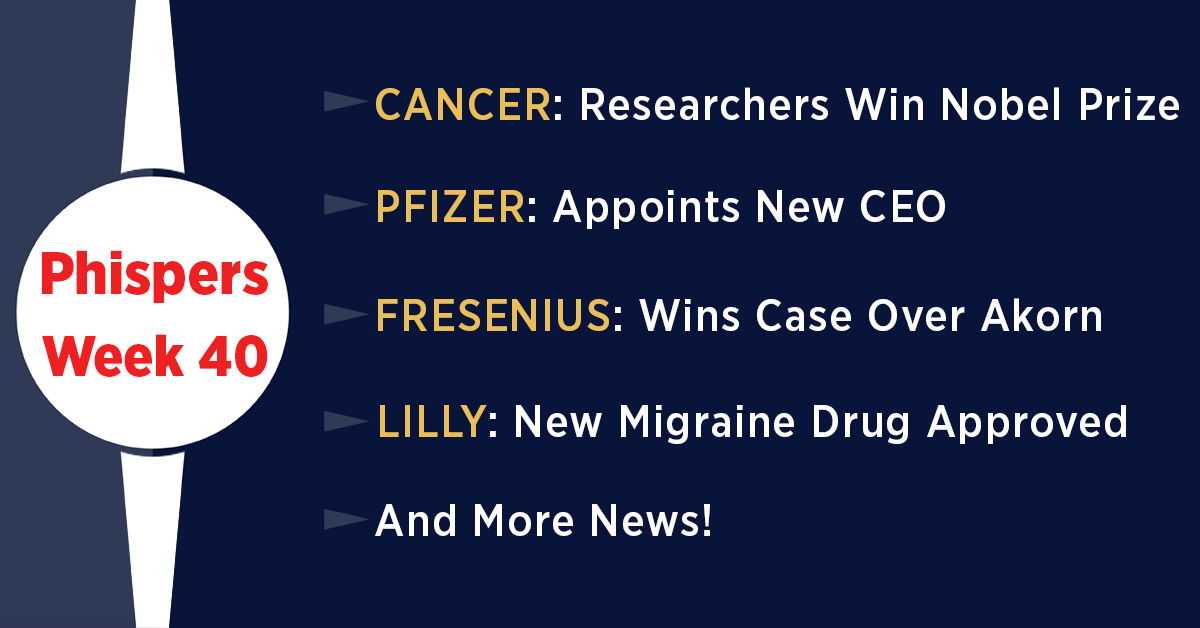
The latest drug to get the FDA approval is Eli Lilly’s Emgality (galcanezumab-gnlm) injection for migraine prevention. Like its competitors, Lilly is offering it at little or no cost to the insured patients in the US for a limited period.
The day Lilly bagged the FDA approval, a federal judge also dismissed two patent infringement lawsuits by Teva Pharmaceutical Industries against Lilly related to Emgality. The drug is also on track for final approval in the European Union.
Galcanezunab is a CGRP (short for calcitonin gene-related peptide) inhibitor, a molecule that researchers have been targeting since the 1980s. A drug from Amgen approved in May and another from Teva approved earlier in September work on the same principle. All three approved migraine drugs require delivery by injection, though Allergan is working on pills that would deliver similar migraine-fighting compounds for preventative and acute treatment.
Emgality will have a list price of US$ 6,900 a year, which is in the same price range as its competitors from Amgen and Teva.
According to the Migraine Research Foundation, migraines affect around 39 million Americans, with 4 million Americans suffering daily symptoms. According to data compiled by Bloomberg, Emgality is forecast to sell US$ 701 million in 2022. And CGRP drugs are expected to become a US$ 2.2 billion market in the US, Bloomberg Intelligence estimates.
The PharmaCompass Newsletter – Sign Up, Stay Ahead
Feedback, help us to improve. Click here
Image Credit : #Phisper Infographic by SCORR MARKETING & PharmaCompass is licensed under CC BY 2.0
“ The article is based on the information available in public and which the author believes to be true. The author is not disseminating any information, which the author believes or knows, is confidential or in conflict with the privacy of any person. The views expressed or information supplied through this article is mere opinion and observation of the author. The author does not intend to defame, insult or, cause loss or damage to anyone, in any manner, through this article.”