


NEWS
- Pharma & Biotech News #PharmaBuzz
- Weekly News Recap #Phispers
- Recent Product Approvals #GreenLight
- Quality Compliance Alerts #Warning!
- All News #Library
DRUGS & DEVELOPMENTS
MARKET INTEL by PharmaCompass

Create content with us, ask us
By PharmaCompass
2018-09-06
Impressions: 191 Article
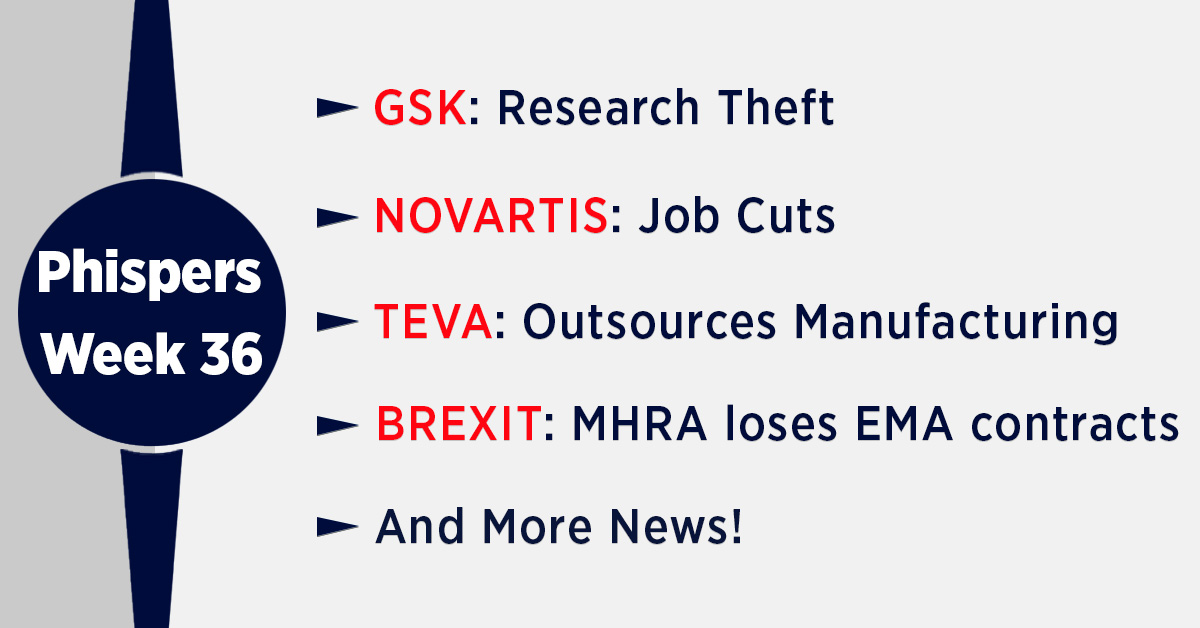
Last week, Yu Xue, a cancer researcher in the US who was regarded as one of the top protein biochemists in the world, pleaded guilty to conspiring to steal trade secrets from GlaxoSmithKline (GSK).
In the lawsuit filed by GSK, Yu Xue (48, and a US citizen) was accused of emailing GSK trade secrets and other confidential information relating to a dozen or more products and numerous GSK processes from her GSK email account to her personal email account.
The information was then forwarded to the others accused in the case (such as Tao Li and Yan Mei) with whom Yu Xue founded a string of companies called Renopharma, Inc, Nanjing Renopharma and Shanghai Renopharma, Ltd.
At the time of establishing Renopharma, Yu Xue was working on the development of about US$ 1 billion worth of therapeutics at GSK’s research facility in Upper Merion, Pennsylvania, US.
Yu Xue worked as a research scientist at GSK from June 2006 to January 2016. She has a Ph.D. in Biological Chemistry from the University of North Carolina.
Tao Li, one of the owners of Renopharma, the corporations which the lawsuit alleged “were established to sell the stolen trade secret and otherwise confidential information”, was the recipient of the emails from Yu Xue. Tao Li’s role included raising funds for Renopharma from various sources, such as private investors, government agencies, and universities. In 2014, Renopharma received millions of yuan in investment from investors and also received Chinese government grants to promote science and technology.
The theft was discovered in January 2016, when the US Federal Bureau of Investigation (FBI) arrested Li and seized his computer containing multiple confidential GSK documents. Yu Xue was fired shortly after charges were brought against her in early 2016.
To hide the profits accrued from these activities, Yu Xue titled her interest in Renopharma in the names of family members and other associates.
Among the documents which Yu Xue sent to her private email account was an internal GSK PowerPoint presentation titled “Anti-HER3 mAb” (monoclonal antibody) which identified a specific GSK antibody under development.
According to media reports, Xue pleaded guilty, but said she did not understand that the transferred data was considered trade secrets. Xue noted: “A trade secret to me is not publicly available. The patents I sent to them are publicly available.”
Xue is facing up to 10 years in prison and a fine of US$ 250,000. She could also be forced to pay restitution for the value of those secrets, which would be capped at US$ 2 billion.
The PharmaCompass Newsletter – Sign Up, Stay Ahead
Feedback, help us to improve. Click here
Image Credit : #Phisper Infographic by SCORR MARKETING & PharmaCompass is licensed under CC BY 2.0
“ The article is based on the information available in public and which the author believes to be true. The author is not disseminating any information, which the author believes or knows, is confidential or in conflict with the privacy of any person. The views expressed or information supplied through this article is mere opinion and observation of the author. The author does not intend to defame, insult or, cause loss or damage to anyone, in any manner, through this article.”