


NEWS
- Pharma & Biotech News #PharmaBuzz
- Weekly News Recap #Phispers
- Recent Product Approvals #GreenLight
- Quality Compliance Alerts #Warning!
- All News #Library
DRUGS & DEVELOPMENTS
MARKET INTEL by PharmaCompass

Create content with us, ask us
By PharmaCompass
2019-06-20
Impressions: 83 Article
In the US, three drugmakers have sued the Trump administration in order to block a rule that would force all drug companies to put the price of their drugs in TV advertisements, beginning July 9. This is the most visible effort by the Trump administration to address the high prices of drugs.
While Johnson & Johnson has begun disclosing its list price in TV ads, three other drug manufacturers — Merck, Eli Lilly and Amgen — are suing the government to avoid such disclosures.
The lawsuit was filed on June 14 in federal court in Washington DC, by the trio along with a trade group for advertisers. The lawsuit argues that the rule is illegal because it violates the companies’ First Amendment rights (fundamental rights pertaining to freedom of speech, right to assemble, right to petition the government, freedom of press etc).
“The impetus for the lawsuit is drug prices in TV ads, but the crux of it is HHS not having the authority to mandate this action,” said Eli Lilly in a statement. HHS is short for the United States Department of Health and Human Services.
The lawsuit also states that the advertisement disclosures, which require drugmakers to include the list price of any drug that costs more than US$ 35 a month, could mislead consumers because insurers often cover the bulk of a drug’s cost.
“We believe the new requirements may cause patients to decide not to seek treatment because of their perception that they cannot afford their medications, when in fact many patients do not pay anything near list price,” Merck said in a statement.
The HHS had a sharp retort to these statements. “If the drug companies are embarrassed by their prices or afraid that the prices will scare patients away, they should lower them,” Caitlin Oakley, an HHS spokeswoman, said in a statement. The department had announced the new rule in May.
Biotech sues FDA over approval of low cost rival: A small biotech — Catalyst Pharmaceuticals Inc — sued the USFDA last week to challenge the recent approval of a lower-cost rival drug. Catalyst had come under fire for the high price tag on its rare disease drug,
Both Catalyst and another small biotech — Jacobus Pharmaceutical — have FDA-approved drugs for a rare disease called Lambert-Eaton Myasthenic Syndrome, or LEMS. Jacobus’ drug got approved last month. And Catalyst is suing the FDA for approving Jacobus’ drug.
For years, Jacobus offered Ruzurgi (amifampridine) to LEMS patients for free as an unapproved drug through a compassionate use program.
But in 2012, Catalyst licensed the North American rights from BioMarin Pharmaceutical for a very similar version of therapy, called Firdapse (amifampridine phosphate). That set off a race between Catalyst and Jacobus.
Catalyst’s Firdapse won that FDA approval in November 2018 to treat adults with LEMS. Along with the approval came orphan drug exclusivity, a long-standing regulatory incentive of seven years of market exclusivity to encourage development of rare disease treatments.
Catalyst leveraged that exclusivity and set the drug’s annual list price at US$ 375,000 with its commercial launch in January this year. As a result, Jacobus could not offer its drug for free through compassionate use program, and had the option to become FDA-approved on the market.
On May 6, FDA approved Jacobus’ Ruzurgi, impelling Catalyst to file the lawsuit. Jacobus’ treatment is priced at less than half that cost, according to the lawsuit.
The PharmaCompass Newsletter – Sign Up, Stay Ahead
Feedback, help us to improve. Click here
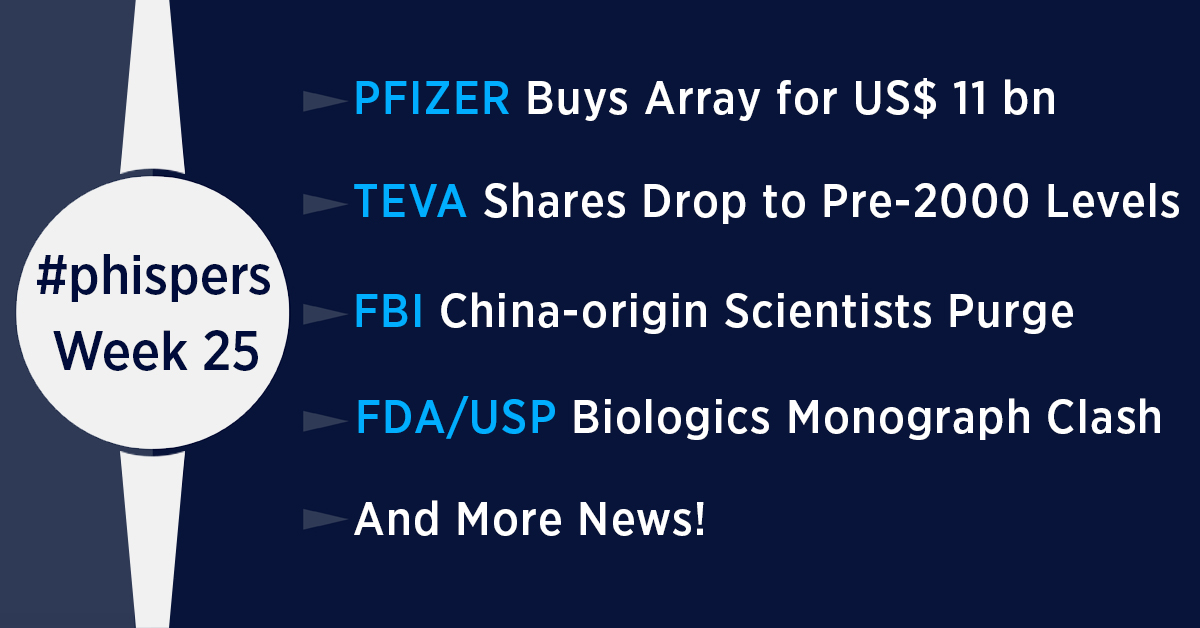
Image Credit : #Phisper Infographic by SCORR MARKETING & PharmaCompass is licensed under CC BY 2.0
“ The article is based on the information available in public and which the author believes to be true. The author is not disseminating any information, which the author believes or knows, is confidential or in conflict with the privacy of any person. The views expressed or information supplied through this article is mere opinion and observation of the author. The author does not intend to defame, insult or, cause loss or damage to anyone, in any manner, through this article.”