


NEWS
- Pharma & Biotech News #PharmaBuzz
- Weekly News Recap #Phispers
- Recent Product Approvals #GreenLight
- Quality Compliance Alerts #Warning!
- All News #Library
DRUGS & DEVELOPMENTS
MARKET INTEL by PharmaCompass

Create content with us, ask us
By PharmaCompass
2019-06-20
Impressions: 100 Article
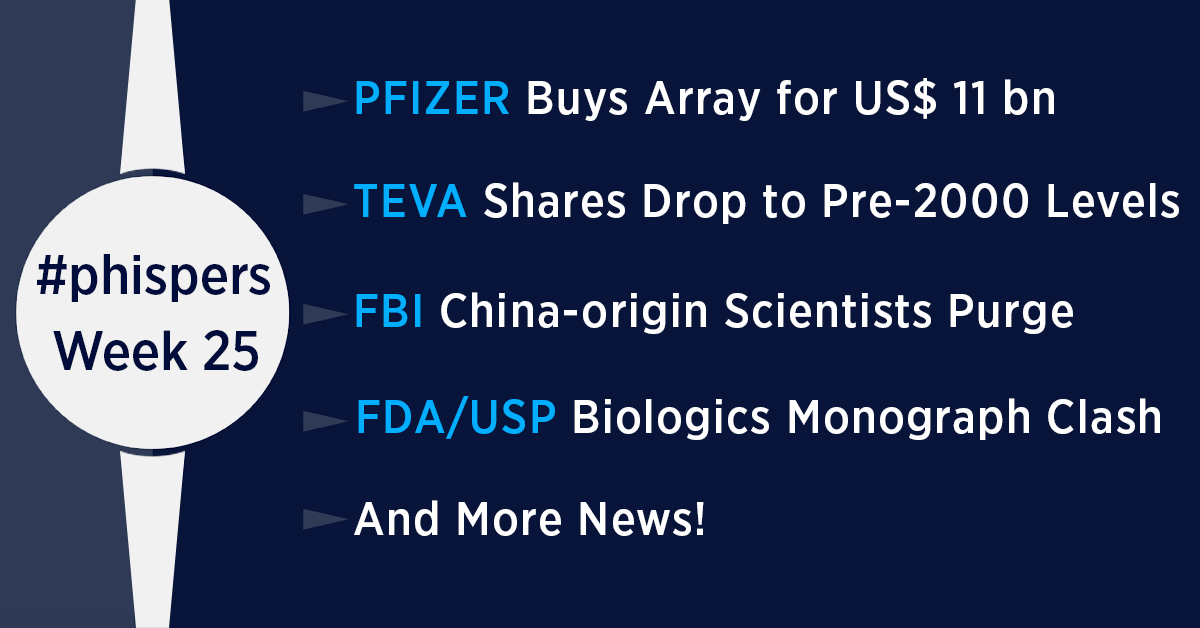
PharmaCompass has been routinely covering data theft cases made against scientists of Chinese origin in the US. In April this year, three scientists were ousted from the MD Anderson Cancer Center for alleged theft of company trade secrets. In the past, there have been cases against Genentech employees in the US (November 2018), a cancer researcher (named Yu Xue) at Renopharma (October 2018) and Eli Lily scientists (2013).
Last week, a Bloomberg article reported on how National Institutes of Health (NIH) and the FBI are targeting ethnic Chinese scientists, including US citizens, searching for a cancer cure, as part of the ongoing economic cold war between China and the US.
The article gives account of an award-winning cancer researcher Xifeng Wu who “quietly stepped down as director of the Center for Public Health and Translational Genomics at the University of Texas MD Anderson Cancer Center” after a three-month probe into her professional ties in China.”
According to the article, her resignation, and the departures in recent months of three other top Chinese American scientists from MD Anderson Cancer Center, stem from a Trump administration drive to counter Chinese influence at US research institutions. While the aim is to stop China’s well-documented and costly theft of US innovation and know-how, the article says the “collateral effect” is to stymie basic science. “Everything is commodified in the economic cold war with China, including the struggle to find a cure for cancer,” the article said.
Wu hasn’t been charged with stealing anyone’s ideas. Rather, she was accused of secretly aiding and abetting cancer research in China.
The NIH is the world’s biggest public funder of basic biomedical research — it allocates about US$ 26 billion a year in federal grants. Around US$ 6 billion of that goes to cancer research.
At a June 5 hearing, NIH officials told the US Senate Committee on Finance that the agency has “contacted 61 research institutions about suspected diversion of proprietary information by grant recipients and referred 16 cases, mainly involving undisclosed ties to foreign governments, for possible legal action”.
“Ways of working that have long been encouraged by the NIH and many research institutions, particularly MD Anderson, are now quasi-criminalized, with FBI agents reading private emails, stopping Chinese scientists at airports, and visiting people’s homes to ask about their loyalty,” the article said.
The PharmaCompass Newsletter – Sign Up, Stay Ahead
Feedback, help us to improve. Click here
Image Credit : #Phisper Infographic by SCORR MARKETING & PharmaCompass is licensed under CC BY 2.0
“ The article is based on the information available in public and which the author believes to be true. The author is not disseminating any information, which the author believes or knows, is confidential or in conflict with the privacy of any person. The views expressed or information supplied through this article is mere opinion and observation of the author. The author does not intend to defame, insult or, cause loss or damage to anyone, in any manner, through this article.”