

BLOG
MARKET INTEL by PharmaCompass
CONTENT by Suppliers
- Interview #SpeakPharma
- Video #SupplierSpotlight
- Vlog #PharmaReel
- Company Bio #AboutSupplier
- Services Bio #AboutCapabilities
News

Create content with us, ask us
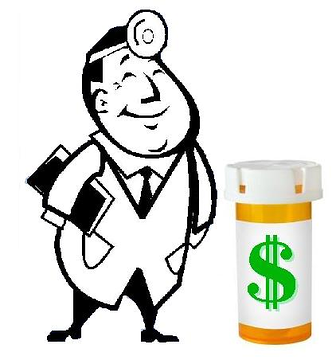
Yes, it’s true, last year pharmaceutical companies made payments to doctors; in the United States, with a total value of $6.49 billion. In the past, these payments, while intended to educate doctors about new medicines and drive research, have led to doctors getting tickets for games or being given sexual favors.
While getting sick and visiting a doctor is difficult enough, having a site available which tells you how much doctors are getting paid is actually good news!
The Scandals
In the past few years, multiple stories of doctors getting bribed by pharmaceutical companies have come to light. Incentives given by pharmaceutical companies ranged from watching the Los Angeles Lakers (Bristol-Myers Squibb) or New York Yankees to being provided sexual favors (GSK, China).
GSK’s $3 billion fine paid in the U.S. for “unlawful promotion” of drugs involved, doctors and their spouses getting paid trips to Bermuda where they “could enjoy diving, golf, fishing and other extra activities”.
Scandals have also emerged which involved administration of unsafe medicines (e.g. Merck’s Vioxx), prescription of medicine for unauthorized uses (J&J’s Risperdal) and also “inadvertently got Americans hooked on Heroin”.
Based on data published last year, pharmaceutical companies have agreed to pay over $13 billion to resolve U.S. Department of Justice allegations of fraudulent marketing practices.
Global Practices
Recent scandals across Japan (Novartis manipulated data of clinical studies published on blockbuster, Diovan), Europe (Johnson & Johnson bribing doctors across Europe), South Korea (Dong Wha paid Korean doctors $4.5 million), India (Nutricia bribed doctors to prescribe infant formula) and almost all other parts of the world have made headlines.
Your prescription is the real business!
The doctor-patient relationship while considered sacred and confidential, is actually very big business. IMS Health Holdings, generates the majority of its $2.5 billion revenues, by collecting “over 85 percent of the world’s prescriptions” by sales revenues and information on “more than 400 million patient lives”. A 2011 Supreme Court ruling found the collection and dissemination of prescribing behavior was “speech” and protected by the First Amendment.
Welcome the open revolution
However, there has been a change since the 1970s when doctors would accumulate points for prescribing medicines. The points could be redeemed to get color TVs, watches, microwave ovens, lawn mowers, golf clubs etc.
Regulations across the world are requiring disclosures and the $6.49 billion paid to U.S. doctors is an outcome of the Sunshine Act, which started declaring payments made to physicians since 2013.
Europe has drafted similar regulation to disclose transfers from pharmaceutical companies to healthcare professionals which comes into effect next year, while Australia starts in October this year.
In India, while the government has drafted a “code of marketing practice” for the industry, the tax auditors are also reviewing the freebies being given since pharmaceutical companies were claiming tax exemption on the gifts!
Our View
Pharmaceutical companies have the most comprehensive data about new medicines and better educated doctors will always ensure better care for patients.
It’s insulting to suggest that doctors would prescribe treatments based on who gave them a free slice of pizza or a gift pen. Free samples of medicines, given by companies, provide doctors with an opportunity to learn more about the drugs, which in turn benefits patients.
However, next time you’re waiting at a doctor’s clinic, checking his/her alliances can provide you with a sense of whether or not a pharmaceutical company’s association has impacted your prescription.
In the United States, courtesy the Sunshine Act, the doctor’s prescribing trends can be viewed at http://projects.propublica.org/checkup/ and the “education” being received is available at https://openpaymentsdata.cms.gov/.
It’s time to enjoy the Sunshine!
Should you still wish to read more, Martha Rosenberg’s article, “5 shady ways the drug industry is influencing your doctor” provides a comprehensive overview on the different strategies adopted by pharmaceutical companies to incentivize doctors.
The PharmaCompass Newsletter – Sign Up, Stay Ahead
Feedback, help us to improve. Click here
Image Credit : Doctor Payoffs by Mike Licht is licensed under CC BY 2.0
“ The article is based on the information available in public and which the author believes to be true. The author is not disseminating any information, which the author believes or knows, is confidential or in conflict with the privacy of any person. The views expressed or information supplied through this article is mere opinion and observation of the author. The author does not intend to defame, insult or, cause loss or damage to anyone, in any manner, through this article.”