Find Erythromycin manufacturers, exporters & distributors on PharmaCompass

PharmaCompass

Synopsis

Synopsis

FDF DossiersDRUG PRODUCT COMPOSITIONS

192RELATED EXCIPIENT COMPANIES

304EXCIPIENTS BY APPLICATIONS

PATENTS & EXCLUSIVITIES

0

US Patents

0

US Exclusivities

0

Health Canada Patents

API/FDF Prices: Book a Demo

API REF. PRICE (USD/KG)

$
$ 0

GLOBAL SALES INFORMATION

Annual Reports

NA

MARKET PLACE

DIGITAL CONTENT

0

Data Compilation #PharmaFlow

0

Stock Recap #PipelineProspector

0

Weekly News Recap #Phispers
Chemistry

Click the arrow to open the dropdown
read-moreClick the button for full data set
Also known as: 114-07-8, Erythromycin a, E-mycin, Ilotycin, Abomacetin, Erymax
Molecular Formula
C37H67NO13
Molecular Weight
733.9  g/mol
InChI Key
ULGZDMOVFRHVEP-RWJQBGPGSA-N
FDA UNII
63937KV33D

Erythromycin
A bacteriostatic antibiotic macrolide produced by Streptomyces erythreus. Erythromycin A is considered its major active component. In sensitive organisms, it inhibits protein synthesis by binding to 50S ribosomal subunits. This binding process inhibits peptidyl transferase activity and interferes with translocation of amino acids during translation and assembly of proteins.
Erythromycin is a Macrolide and Macrolide Antimicrobial. The physiologic effect of erythromycin is by means of Decreased Sebaceous Gland Activity.
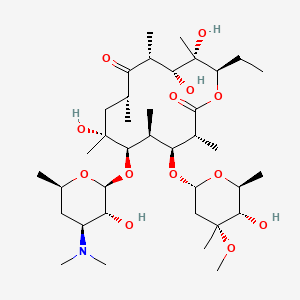
1 2D Structure

Erythromycin

2 Identification
2.1 Computed Descriptors
2.1.1 IUPAC Name
(3R,4S,5S,6R,7R,9R,11R,12R,13S,14R)-6-[(2S,3R,4S,6R)-4-(dimethylamino)-3-hydroxy-6-methyloxan-2-yl]oxy-14-ethyl-7,12,13-trihydroxy-4-[(2R,4R,5S,6S)-5-hydroxy-4-methoxy-4,6-dimethyloxan-2-yl]oxy-3,5,7,9,11,13-hexamethyl-oxacyclotetradecane-2,10-dione
2.1.2 InChI
InChI=1S/C37H67NO13/c1-14-25-37(10,45)30(41)20(4)27(39)18(2)16-35(8,44)32(51-34-28(40)24(38(11)12)15-19(3)47-34)21(5)29(22(6)33(43)49-25)50-26-17-36(9,46-13)31(42)23(7)48-26/h18-26,28-32,34,40-42,44-45H,14-17H2,1-13H3/t18-,19-,20+,21+,22-,23+,24+,25-,26+,28-,29+,30-,31+,32-,34+,35-,36-,37-/m1/s1
2.1.3 InChI Key
ULGZDMOVFRHVEP-RWJQBGPGSA-N
2.1.4 Canonical SMILES
CCC1C(C(C(C(=O)C(CC(C(C(C(C(C(=O)O1)C)OC2CC(C(C(O2)C)O)(C)OC)C)OC3C(C(CC(O3)C)N(C)C)O)(C)O)C)C)O)(C)O
2.1.5 Isomeric SMILES
CC[C@@H]1[C@@]([C@@H]([C@H](C(=O)[C@@H](C[C@@]([C@@H]([C@H]([C@@H]([C@H](C(=O)O1)C)O[C@H]2C[C@@]([C@H]([C@@H](O2)C)O)(C)OC)C)O[C@H]3[C@@H]([C@H](C[C@H](O3)C)N(C)C)O)(C)O)C)C)O)(C)O
2.2 Other Identifiers
2.2.1 UNII
63937KV33D
2.3 Synonyms
2.3.1 MeSH Synonyms

1. Erycette

2. Erymax

3. Erythromycin A

4. Erythromycin C

5. Erythromycin Lactate

6. Erythromycin Phosphate

7. Ilotycin

8. Lactate, Erythromycin

9. Phosphate, Erythromycin

10. T Stat

11. T-stat

12. Tstat

2.3.2 Depositor-Supplied Synonyms

1. 114-07-8

2. Erythromycin A

3. E-mycin

4. Ilotycin

5. Abomacetin

6. Erymax

7. Erythromycinum

8. Emgel

9. Erycette

10. Robimycin

11. Erythro-statin

12. E-glades

13. Erythrocin

14. Ery-tab

15. E-base

16. Eritromicina

17. Erythromycine

18. Erygel

19. Sansac

20. Erythra-derm

21. Akne-mycin

22. Eryc

23. Erythromycin Base

24. T-stat

25. Eryacne

26. R-p Mycin

27. E-solve 2

28. Torlamicina

29. Eryderm

30. C-solve-2

31. Pantomicina

32. A/t/s

33. Erythro

34. Erythroguent

35. Eritrocina

36. Propiocine

37. Stiemycin

38. Ermycin

39. Erycen

40. Aknin

41. Theramycin Z

42. Erythromycin-a

43. Ak-mycin

44. Erythromast 36

45. (-)-erythromycin

46. Benzamycin

47. Emycin

48. Erytab

49. Inderm

50. Retcin

51. Chembl532

52. Dumotrycin

53. Mephamycin

54. Chebi:42355

55. Wemid

56. J01fa01

57. Eryc Sprinkles

58. Mfcd00084654

59. Nsc-55929

60. 63937kv33d

61. (3r,4s,5s,6r,7r,9r,11r,12r,13s,14r)-6-(((2s,3r,4s,6r)-4-(dimethylamino)-3-hydroxy-6-methyltetrahydro-2h-pyran-2-yl)oxy)-14-ethyl-7,12,13-trihydroxy-4-(((2r,4r,5s,6s)-5-hydroxy-4-methoxy-4,6-dimethyltetrahydro-2h-pyran-2-yl)oxy)-3,5,7,9,11,13-hexamethyloxacyclotetradecane-2,10-dione

62. Erythromycin C-13

63. Endoeritrin

64. Eritomicina

65. Erythroderm

66. Erytrociclin

67. Pharyngocin

68. Proterytrin

69. Acneryne

70. Acnesol

71. Aknemycin

72. Derimer

73. Deripil

74. Erisone

75. Eryacnen

76. Erydermer

77. Eryhexal

78. Erysafe

79. Iloticina

80. Latotryd

81. Lederpax

82. Mercina

83. Oftamolets

84. Pantoderm

85. Pantodrin

86. Primacine

87. Romycin

88. Stiemicyn

89. Tiprocin

90. Emuvin

91. Erecin

92. Erymed

93. Erytop

94. Nci-c55674

95. Austrias

96. Eros

97. Ery-maxin

98. Erythro-teva

99. Sans-acne

100. Dsstox_cid_2991

101. Erimycin-t

102. Ery-diolan

103. Inderm Gel

104. Del-mycin

105. Aknederm Ery Gel

106. Udima Ery Gel

107. Eryc 125

108. Dsstox_rid_76820

109. Dsstox_gsid_22991

110. Emu-ve

111. 8hph7nd0ln

112. Skid Gel E

113. (3r*,4s*,5s*,6r*,7r*,9r*,11r*,12r*,13s*,14r*)-4-((2,6-dideoxy-3-c-methyl-3-o-methyl-alpha-l-ribo-hexopyranosyl)oxy)-14-ethyl-7,12,13-trihydroxy-3,5,7,9,11,13-hexamethyl-6-((3,4,6-trideoxy-3-(dimethylamino)-beta-d-xylo-hexopyranosyl)oxy)oxacyclotetradecane-2,10-dione

114. Akne Cordes Losung

115. Ery

116. Ilosone (estolate)

117. Ilotycin T.s.

118. E-mycin (base)

119. Ery-tab (base)

120. Emu-v

121. Ery-b

122. E-base (base)

123. Eryc (base)

124. N-methylerythromycin A

125. Pce Dispertab (base)

126. Eryc-125

127. Eryc-250

128. Eritromicina [inn-spanish]

129. Erythromycine [inn-french]

130. Erythromycinum [inn-latin]

131. Erythromycin, Labeled With Carbon-13

132. Oftalmolosa Cusi Eritromicina

133. Staticin (tn)

134. Akne-mycin (tn)

135. Erygel (tn)

136. Eryc (tn)

137. T-stat (tn)

138. Pce (tn)

139. Sr-05000001618

140. Sentry Aq Mardel Maracyn

141. 9,11,13-hexamethyl-oxacyclotetradecane-2,10-dione

142. Erthromycin

143. Erythromycines

144. Nsc55929

145. Ccris 9078

146. Unii-63937kv33d

147. Hsdb 3074

148. Ncgc00094670-01

149. Erythromycin [usp:inn:ban:jan]

150. (3r,4s,5s,6r,7r,9r,11r,12r,13s,14r)-6-[(2s,3r,4s,6r)-4-(dimethylamino)-3-hydroxy-6-methyloxan-2-yl]oxy-14-ethyl-7,12,13-trihydroxy-4-[(2r,4r,5s,6s)-5-hydroxy-4-methoxy-4,6-dimethyloxan-2-yl]oxy-3,5,7,

151. (3r,4s,5s,6r,7r,9r,11r,12r,13s,14r)-6-{[(2s,3r,4s,6r)-4-(dimethylamino)-3-hydroxy-6-methyltetrahydro-2h-pyran-2-yl]oxy}-14-ethyl-7,12,13-trihydroxy-4-{[(2r,4r,5s,6s)-5-hydroxy-4-methoxy-4,6-dimethyltetrahydro-2h-pyran-2-yl]oxy}-3,5,7,9,11,13-hexamethyloxacyclotetradecane-2,10-dione

152. Cas-114-07-8

153. Prestwick_205

154. Einecs 204-040-1

155. Nsc 55929

156. 215031-94-0

157. Spectrum_000115

158. Spectrum_000659

159. Ai3-50138

160. Em-a

161. Prestwick3_000151

162. Spectrum2_000759

163. Spectrum2_001263

164. Spectrum4_000538

165. Spectrum5_001596

166. Unii-8hph7nd0ln

167. Erythromycin [mi]

168. E0751

169. Erythromycin [inn]

170. Erythromycin [jan]

171. Pce (erythromycin)

172. Ec 204-040-1

173. Erythromycin [hsdb]

174. Schembl2601

175. Erythromycin [vandf]

176. Bspbio_000282

177. Bspbio_002480

178. Erythromycin [mart.]

179. Erythromycin Standard Solution

180. Kbiogr_001175

181. Kbioss_000555

182. Kbioss_001139

183. 82343-12-2

184. Mls001066618

185. Bidd:gt0017

186. Divk1c_000294

187. Divk1c_000397

188. Divk1c_000702

189. Erythromycin [usp-rs]

190. Erythromycin [who-dd]

191. Erythromycin [who-ip]

192. Spectrum1500280

193. Spbio_000778

194. Spbio_001226

195. Bpbio1_000312

196. Gtpl1456

197. Dtxsid4022991

198. Erythromycin (jp17/usp/inn)

199. Hms500o16

200. Kbio1_000294

201. Kbio1_000397

202. Kbio1_000702

203. Kbio2_000555

204. Kbio2_001139

205. Kbio2_003123

206. Kbio2_003707

207. Kbio2_005691

208. Kbio2_006275

209. Erythromycin [green Book]

210. Erythromycin (mixture Of A,b,c)

211. Ninds_000294

212. Ninds_000397

213. Ninds_000702

214. Erythromycin [orange Book]

215. Hms1920m04

216. Hms2091d05

217. Hms2095o04

218. Hms3712o04

219. Pharmakon1600-01500280

220. Erythromycin [ep Monograph]

221. Act03320

222. Hy-b0220

223. Rkl10096

224. Erythromycin [usp Monograph]

225. Tox21_111311

226. Tox21_111869

227. Tox21_300515

228. Bdbm50344942

229. Ccg-38992

230. Lmpk04000006

231. Nsc756759

232. Zinc85534336

233. Erythromycinum [who-ip Latin]

234. Akos015895249

235. Db00199

236. Nsc-756759

237. Benzamycin Component Erythromycin

238. Idi1_000294

239. Idi1_000397

240. Idi1_000702

241. Smp1_000119

242. Ncgc00179619-01

243. Ncgc00179619-02

244. Ncgc00179619-03

245. Ncgc00254234-01

246. (3r,4s,5s,6r,7r,9r,11r,12r,13s,14r)-6-[(2s,3r,4s,6r)-4-(dimethylamino)-3-hydroxy-6-methyloxan-2-yl]oxy-14-ethyl-7,12,13-trihydroxy-4-[(2r,4r,5s,6s)-5-hydroxy-4-methoxy-4,6-dimethyloxan-2-yl]oxy-3,5,7,9,11,13-hexamethyl-oxacyclotetradecane-2,10-dione

247. Ac-12744

248. Ac-12901

249. Smr000544946

250. Erythromycin Component Of Benzamycin

251. Erythromycin, Potency: >=850 Mug Per Mg

252. Erythromycin, Tested According To Ph.eur.

253. Sbi-0051368.p003

254. Erythromycin, N-demethyl-n-(methyl-11c)-

255. Erythromycin 1000 Microg/ml In Acetonitrile

256. Erythromycin, Meets Usp Testing Specifications

257. C01912

258. D00140

259. E-3250

260. Erythromycin, Plant Cell Culture Tested, ~98%

261. Ab00051981_09

262. Ab00051981_10

263. Erythromycin Standard Solution, 1 Mg/ml In H2o

264. Erythromycin, Biotechnology Performance Certified

265. 114e078

266. Erythromycin Estolate Impurity, Free Erythromycin-

267. Q213511

268. Sr-01000799155

269. Erythromycin, Antibiotic For Culture Media Use Only

270. Erythromycin, Bioreagent, Suitable For Cell Culture

271. Sr-01000799155-2

272. Sr-05000001618-1

273. Sr-05000001618-2

274. Brd-k63550407-001-13-5

275. Brd-k63550407-028-03-9

276. Erythromycin (mixture Of A,b,c) 100 Microg/ml In Acetonitrile

277. Erythromycin A, British Pharmacopoeia (bp) Reference Standard

278. Erythromycin A, European Pharmacopoeia (ep) Reference Standard

279. Erythromycin, United States Pharmacopeia (usp) Reference Standard

280. Erythromycin Estolate Impurity, Free Erythromycin [ep Impurity]

281. Erythromycin Estolate Impurity, Free Erythromycin- [usp Impurity]

282. Erythromycin, For Microbiological Assay, European Pharmacopoeia (ep) Reference Standard

283. Erythromycin, Pharmaceutical Secondary Standard; Certified Reference Material

284. (3r*,4s*,5s*,6r*,7r*,9r*,11r*,12r*,13s*,14r*)-4-[(2,6-dideoxy-3-c-methyl-3-o-methyl-.alpha.-l-ribo-hexopyranosyl)oxy]-14-ethyl-7,12,13-trihydroxy-3,5,9,11,13-hexamethyl-6-[[3,4,6-trideoxy-3-

285. (3r,4s,5s,6r,7r,9r,11r,12r,13s,14r)-4-(2,6-dideoxy-3-c-methyl-3-o-methyl-alpha-l-ribo-hexopyranosyloxy)-14-ethyl-7,12,13-trihydroxy-6-[3,4,6-trideoxy-3-(dimethylamino)-beta-d-xylo-hexopyranosyloxy]-3,5,7,9,11,13-hexamethyloxacyclotetradecane-2,10-dione

286. (3r,4s,5s,6r,7r,9r,11r,12r,13s,14r)-6-[(2s,3r,4s,6r)-4-(dimethylamino)-3-hydroxy-6-methyl-tetrahydropyran-2-yl]oxy-14-ethyl-7,12,13-trihydroxy-4-[(2r,4r,5s,6s)-5-hydroxy-4-methoxy-4,6-dimethyl-tetrahydropyran-2-yl]oxy-3,5,7,9,11,13-hexamethyl-oxacyclotetradecane-2,10-dione

287. (3r,4s,5s,6r,7r,9r,11r,12r,13s,14r)-6-[(2s,3r,4s,6r)-4-dimethylamino-3-hydroxy-6-methyloxan-2-yl]oxy-14-ethyl-7,12,13-trihydroxy-4-[(2r,4r,5s,6s)-5-hydroxy-4-methoxy-4,6-dimethyloxan-2-yl]oxy-3,5,7,9,11,13-hexamethyl-1-oxacyclotetradecane-2,10-dione

288. (3r,4s,5s,6r,7r,9r,11r,12r,13s,14r)-6-{[(2s,3r,4s,6r)-4-(dimethylamino)-3-hydroxy-6-methyltetrahydro-2h-pyran-2-yl]oxy}-14-ethyl-7,12,13-trihydroxy-4-{[(2r,4r,5s,6s)-5-hydroxy-4-methoxy-4,6-dimethyltetrahydro-2h-pyran-2-yl]oxy}-3,5,7,9,11,13-hexamethyloxacyclotetradecane-2,10-dione (non-preferred Name)

289. [3r-(3r*,4s*,5s*,6r*,7r*,9r*,11r*,12r*,13s*,14r*)]-4-[(2,6-dideoxy-3-c-methyl-3-o-methyl-alpha-l-ribo-hexopyranosyl)oxy]-14-ethyl-7,12,13-trihydroxy-3,5,7,9,11,13-hexamethyl-6-[[3,4,6-trideoxy-3-(dimethylamino)-beta-d-xylo-hexopyranosyl]oxy]oxacyclotetradecane-2,10-dione

2.3.3 Other Synonyms

1. Erythrohycin Gluceptate

2. Ilotycin Glucoheptonate

3. Ilotycin Gluceptate

4. Erythromycin Glucoheptonate

5. Erythromycin Gluceptate

6. Erythromycin A 11,12-carbonate

7. Dravercin

8. Davercin

9. Erythromycin Cyclocarbonate

2.4 Create Date
2005-06-24
3 Chemical and Physical Properties
Molecular Weight 733.9 g/mol
Molecular Formula C37H67NO13
XLogP32.7
Hydrogen Bond Donor Count5
Hydrogen Bond Acceptor Count14
Rotatable Bond Count7
Exact Mass733.46124119 g/mol
Monoisotopic Mass733.46124119 g/mol
Topological Polar Surface Area194 Ų
Heavy Atom Count51
Formal Charge0
Complexity1180
Isotope Atom Count0
Defined Atom Stereocenter Count18
Undefined Atom Stereocenter Count0
Defined Bond Stereocenter Count0
Undefined Bond Stereocenter Count0
Covalently Bonded Unit Count1
4 Drug and Medication Information
4.1 Drug Information
1 of 24  
Drug NameAkne-mycin
Active IngredientErythromycin
Dosage FormOintment
RouteTopical
Strength2%
Market StatusPrescription
CompanyDow Pharm

2 of 24  
Drug NameBenzamycin
Active IngredientBenzoyl peroxide; erythromycin
Dosage FormGel
RouteTopical
Strength5%; 3%
Market StatusPrescription
CompanyValeant Intl

3 of 24  
Drug NameBenzamycin pak
Drug LabelERYC capsules contain enteric-coated pellets of erythromycin base for oral administration. Each ERYC capsule contains 250 mg of erythromycin base. Also contains: lactose NF, povidone USP, FD&C Yellow #6 and other ingredients. The capsule shell contai.
Active IngredientBenzoyl peroxide; erythromycin
Dosage FormGel
RouteTopical
Strength5%; 3%
Market StatusPrescription
CompanyValeant Luxembourg

4 of 24  
Drug NameC-solve-2
Active IngredientErythromycin
Dosage FormSolution
RouteTopical
Strength2%
Market StatusPrescription
CompanyFougera Pharms

5 of 24  
Drug NameEryc
Active IngredientErythromycin
Dosage FormCapsule, delayed rel pellets
RouteOral
Strength250mg
Market StatusPrescription
CompanyMayne Pharma

6 of 24  
Drug NameErygel
PubMed HealthErythromycin (Injection)
Drug ClassesAntibiotic
Drug LabelERYGEL Topical Gel USP, 2% contains erythromycin (3R*, 4S*, 5S*, 6R*, 7R*, 9R*, 11R*, 12R*, 13S*, 14R*)-4-[(2,6-Dideoxy-3-C-methyl-3-O-methyl--L-ribo-hexopyranosyl)oxy]-14-ethyl-7, 12, 13-trihydroxy-3, 5, 7, 9, 11, 13-hexamethyl-6-[[3, 4, 6,-trid...
Active IngredientErythromycin
Dosage FormGel
RouteTopical
Strength2%
Market StatusPrescription
CompanyDelcor Asset

7 of 24  
Drug NameEry-tab
PubMed HealthErythromycin
Drug ClassesAmebicide, Intestinal, Antiacne, Antibacterial, Antibiotic
Drug LabelERY-TAB (erythromycin delayed-release tablets) is an antibacterial product containing erythromycin base in a specially enteric-coated tablet to protect it from the inactivating effects of gastric acidity and to permit efficient absorption of the anti...
Active IngredientErythromycin
Dosage FormTablet, delayed release
RouteOral
Strength250mg; 333mg; 500mg
Market StatusPrescription
CompanyArbor Pharms

8 of 24  
Drug NameErythra-derm
Drug LabelErythromycin is an antibiotic produced from a strain of Streptomyces erythraeus. It is basic and readily forms salts with acids.Chemically, erythromycin is (3R*, 4S*, 5S*, 6R*, 7R*, 9R*, 11R*, 12R*, 13S*, 14R*)-4-[(2,6-Dideoxy-3-C-methyl-3-0-methyl-...
Active IngredientErythromycin
Dosage FormSolution
RouteTopical
Strength2%
Market StatusPrescription
CompanyPaddock

9 of 24  
Drug NameErythrocin
PubMed HealthErythromycin/Benzoyl Peroxide (On the skin)
Drug ClassesAntiacne
Active IngredientErythromycin lactobionate
Dosage FormInjectable
RouteInjection
Strengtheq 500mg base/vial; eq 1gm base/vial
Market StatusPrescription
CompanyHospira

10 of 24  
Drug NameErythrocin stearate
Active IngredientErythromycin stearate
Dosage FormTablet
RouteOral
Strengtheq 250mg base
Market StatusPrescription
CompanyArbor Pharms

11 of 24  
Drug NameErythromycin
Drug LabelERY-TAB (erythromycin delayed-release tablets) is an antibacterial product containing erythromycin base in a specially enteric-coated tablet to protect it from the inactivating effects of gastric acidity and to permit efficient absorption of the anti...
Active IngredientErythromycin
Dosage FormGel; Swab; Capsule, delayed rel pellets; Ointment; Tablet; Solution
RouteTopical; Ophthalmic; Oral
Strength0.5%; 250mg; 2%; 500mg
Market StatusPrescription
CompanyArbor Pharms; Wockhardt; Fougera Pharms; Perrigo Co Tennessee; Versapharm; Bausch And Lomb; Perrigo; Perrigo New York; Akorn

12 of 24  
Drug NameErythro-statin
Active IngredientErythromycin
Dosage FormSolution
RouteTopical
Strength2%
Market StatusPrescription
CompanyHi Tech Pharma

13 of 24  
Drug NameAkne-mycin
Active IngredientErythromycin
Dosage FormOintment
RouteTopical
Strength2%
Market StatusPrescription
CompanyDow Pharm

14 of 24  
Drug NameBenzamycin
Active IngredientBenzoyl peroxide; erythromycin
Dosage FormGel
RouteTopical
Strength5%; 3%
Market StatusPrescription
CompanyValeant Intl

15 of 24  
Drug NameBenzamycin pak
Drug LabelERYC capsules contain enteric-coated pellets of erythromycin base for oral administration. Each ERYC capsule contains 250 mg of erythromycin base. Also contains: lactose NF, povidone USP, FD&C Yellow #6 and other ingredients. The capsule shell contai.
Active IngredientBenzoyl peroxide; erythromycin
Dosage FormGel
RouteTopical
Strength5%; 3%
Market StatusPrescription
CompanyValeant Luxembourg

16 of 24  
Drug NameC-solve-2
Active IngredientErythromycin
Dosage FormSolution
RouteTopical
Strength2%
Market StatusPrescription
CompanyFougera Pharms

17 of 24  
Drug NameEryc
Active IngredientErythromycin
Dosage FormCapsule, delayed rel pellets
RouteOral
Strength250mg
Market StatusPrescription
CompanyMayne Pharma

18 of 24  
Drug NameErygel
PubMed HealthErythromycin (Injection)
Drug ClassesAntibiotic
Drug LabelERYGEL Topical Gel USP, 2% contains erythromycin (3R*, 4S*, 5S*, 6R*, 7R*, 9R*, 11R*, 12R*, 13S*, 14R*)-4-[(2,6-Dideoxy-3-C-methyl-3-O-methyl--L-ribo-hexopyranosyl)oxy]-14-ethyl-7, 12, 13-trihydroxy-3, 5, 7, 9, 11, 13-hexamethyl-6-[[3, 4, 6,-trid...
Active IngredientErythromycin
Dosage FormGel
RouteTopical
Strength2%
Market StatusPrescription
CompanyDelcor Asset

19 of 24  
Drug NameEry-tab
PubMed HealthErythromycin
Drug ClassesAmebicide, Intestinal, Antiacne, Antibacterial, Antibiotic
Drug LabelERY-TAB (erythromycin delayed-release tablets) is an antibacterial product containing erythromycin base in a specially enteric-coated tablet to protect it from the inactivating effects of gastric acidity and to permit efficient absorption of the anti...
Active IngredientErythromycin
Dosage FormTablet, delayed release
RouteOral
Strength250mg; 333mg; 500mg
Market StatusPrescription
CompanyArbor Pharms

20 of 24  
Drug NameErythra-derm
Drug LabelErythromycin is an antibiotic produced from a strain of Streptomyces erythraeus. It is basic and readily forms salts with acids.Chemically, erythromycin is (3R*, 4S*, 5S*, 6R*, 7R*, 9R*, 11R*, 12R*, 13S*, 14R*)-4-[(2,6-Dideoxy-3-C-methyl-3-0-methyl-...
Active IngredientErythromycin
Dosage FormSolution
RouteTopical
Strength2%
Market StatusPrescription
CompanyPaddock

21 of 24  
Drug NameErythrocin
PubMed HealthErythromycin/Benzoyl Peroxide (On the skin)
Drug ClassesAntiacne
Active IngredientErythromycin lactobionate
Dosage FormInjectable
RouteInjection
Strengtheq 500mg base/vial; eq 1gm base/vial
Market StatusPrescription
CompanyHospira

22 of 24  
Drug NameErythrocin stearate
Active IngredientErythromycin stearate
Dosage FormTablet
RouteOral
Strengtheq 250mg base
Market StatusPrescription
CompanyArbor Pharms

23 of 24  
Drug NameErythromycin
Drug LabelERY-TAB (erythromycin delayed-release tablets) is an antibacterial product containing erythromycin base in a specially enteric-coated tablet to protect it from the inactivating effects of gastric acidity and to permit efficient absorption of the anti...
Active IngredientErythromycin
Dosage FormGel; Swab; Capsule, delayed rel pellets; Ointment; Tablet; Solution
RouteTopical; Ophthalmic; Oral
Strength0.5%; 250mg; 2%; 500mg
Market StatusPrescription
CompanyArbor Pharms; Wockhardt; Fougera Pharms; Perrigo Co Tennessee; Versapharm; Bausch And Lomb; Perrigo; Perrigo New York; Akorn

24 of 24  
Drug NameErythro-statin
Active IngredientErythromycin
Dosage FormSolution
RouteTopical
Strength2%
Market StatusPrescription
CompanyHi Tech Pharma

4.2 Therapeutic Uses

Antibiotics, Macrolide; Gastrointestinal Agents; Protein Synthesis Inhibitors

National Library of Medicine's Medical Subject Headings online file (MeSH, 1999)


MEDICATION (VET): In veterinary medicine, /erythromycin/ is used the treatment of clinical and subclinical mastitis in lactating cows, for the treatment of infectious diseases due to erythromycin-sensitive bacteria (cattle, sheep, swine, poultry) and for the treatment of chronic respiratory diseases due to mycoplasma in poultry.


Erythromycin is used as an alternative agent in the treatment of anthrax. Parenteral penicillins generally have been considered the drugs of choice for the treatment of naturally occurring or endemic anthrax caused by susceptible strains of Bacillus anthracis, including clinically apparent GI, inhalational, or meningeal anthrax and anthrax septicemia, although IV ciprofloxacin or IV doxycycline also are recommended. Erythromycin is suggested as an alternative to penicillin G for the treatment of naturally occurring or endemic anthrax in patients hypersensitive to penicillins. ./NOT included in US product label/

American Society of Health System Pharmacists; AHFS Drug Information 2009. Bethesda, MD. (2009), p. 228


Erythromycin is used topically in the treatment of acne vulgaris. Therapy of acne vulgaris must be individualized and frequently modified depending on the types of acne lesions which predominate and the response to therapy. Topical anti-infectives, including erythromycin, are generally effective in the treatment of mild to moderate inflammatory acne. However, use of topical anti-infectives as monotherapy may lead to bacterial resistance; this resistance is associated with decreased clinical efficacy. Topical erythromycin is particularly useful when used with benzoyl peroxide or topical retinoids. Results of clinical studies indicate that combination therapy results in a reduction in total lesion counts of 50 to 70%. /Included in US product label/

American Society of Health System Pharmacists; AHFS Drug Information 2009. Bethesda, MD. (2009), p. 3511


For more Therapeutic Uses (Complete) data for Erythromycin (23 total), please visit the HSDB record page.


4.3 Drug Warning

Some commercially available formulations of erythromycin lactobionate powder for injection contain benzyl alcohol as a preservative. Although a causal relationship has not been established, administration of injections preserved with benzyl alcohol has been associated with toxicity in neonates. Toxicity appears to have resulted from administration of large amounts (i.e., about 100-400 mg/kg daily) of benzyl alcohol in these neonates. Although use of drugs preserved with benzyl alcohol should be avoided in neonates whenever possible, the American Academy of Pediatrics states that the presence of small amounts of the preservative in a commercially available injection should not proscribe its use when indicated in neonates. /Erythromycin lactobionate/

American Society of Health System Pharmacists; AHFS Drug Information 2009. Bethesda, MD. (2009), p. 240


In several neonates with infections caused by Ureaplasma urealyticum who received IV administration of erythromycin lactobionate, adverse cardiac effects (e.g., bradycardia, hypotension, cardiac arrest, arrhythmias) requiring cardiopulmonary resuscitation have been reported. Some clinicians state that these adverse effects may depend on serum concentration and/or infusion rate of the drug. It has been suggested that prolonged IV infusion of erythromycin lactobionate (e.g., over 60 minutes) may reduce such adverse cardiac effects. However, it has been suggested that certain individuals may be at increased risk of developing erythromycin-induced adverse cardiac effects and that decreasing the rate of IV infusion may decrease but not eliminate the risk of such effects. Further study is needed to determine the pharmacokinetics and safety of erythromycin lactobionate in neonates. /Erythromycin lactobionate/

American Society of Health System Pharmacists; AHFS Drug Information 2009. Bethesda, MD. (2009), p. 240


Maternal Medication usually Compatible with Breast-Feeding: Erythromycin: Reported Sign or Symptom in Infant or Effect on Lactation: None. /From Table 6/

Report of the American Academy of Pediatrics Committee on Drugs in Pediatrics 93 (1): 140 (1994)


POTENTIAL ADVERSE EFFECTS ON FETUS: None known. POTENTIAL SIDE EFFECTS ON BREAST-FED INFANT: None known, although theoretically could cause diarrhea in infant. COMMENTS: Crosses placenta in high doses to fetal level 24% of maternal; breast milk may exceed maternal serum concentration. FDA Category: B (B = Studies in laboratory animals have not demonstrated a fetal risk, but there are no controlled studies in pregnant women; or animal studies have shown an adverse effect (other than a decrease in fertility), but controlled studies in pregnant women have not demonstrated a risk to the fetus in the first trimester and there is no evidence of a risk in later trimesters.) /From Table II/

PMID:2195076 Stockton DL and AS Paller; J Am Acad Dermatol 23 (1): 87-103 (1990)


For more Drug Warnings (Complete) data for Erythromycin (17 total), please visit the HSDB record page.


4.4 Drug Indication

Erythromycin is indicated in the treatment of infections caused by susceptible strains of various bacteria. The indications for erythromycin have been summarized by body system below: **Respiratory infections** Mild to moderate upper respiratory tract infections caused by Streptococcus pyogenes, Streptococcus pneumoniae, or Haemophilus influenzae (when used concomitantly with appropriate doses of sulfonamides) can be treated with erythromycin. Mild to moderate lower-respiratory tract infections due to susceptible strains of Streptococcus pneumoniae or Streptococcus pyogenes may also be treated. Erythromycin treats listeriosis caused by Listeria monocytogenes may also be treated with erythromycin. Erythromycin is indicated to treat pertussis (whooping cough) caused by Bordetella pertussis. It is effective in eliminating the causative organism from the nasopharynx of infected individuals, rendering them noninfectious. Clinical studies suggest that erythromycin may aid in the prevention of pertussis infection for individuals who have been exposed to the bacteria. Respiratory tract infections due to Mycoplasma pneumoniae may also be treated with erythromycin. Despite the fact that no controlled clinical efficacy studies have been conducted to this date, in vitro and certain preliminary clinical study results indicate that erythromycin may be an effective treatment in Legionnaires Disease. Finally, erythromycin is indicated to treat diphtheria and other infections due to Corynebacterium diphtheriae, as an adjunct to antitoxin, to prevent carrier status and to eradicate the organism in existing carriers. In addition to the prevention of diphtheria, erythromycin can be used to prevent rheumatic fever in penicillin intolerant patients. **Skin infections** Mild to moderate skin or skin structure infections caused by Streptococcus pyogenes or Staphylococcus aureus may be treated with erythromycin, however, resistant staphylococcal organisms may emerge. Erythromycin can also be used to treat erythrasma, an infectious condition caused by Corynebacterium minutissimum. **Gastrointestinal infections** Intestinal amebiasis caused by Entamoeba histolytica can be treated with oral erythromycin. Extraenteric amebiasis warrants treatment with other antimicrobial drugs. **Genital infections/STIs** Erythromycin can be used as an alternative drug in treating acute pelvic inflammatory disease caused by N. gonorrheae in female patients who have demonstrated hypersensitivity or intolerance to penicillin. Syphilis, caused by Treponema pallidum, can be treated with erythromycin. It serves as an alternative treatment for primary syphilis in patients who have demonstrated penicillin hypersensitivity. Erythromycin can also be used in the primary stage of primary syphilis. Another approved indication of erythromycin is to treat chlamydial infections that cause conjunctivitis of the newborn, pneumonia of infancy, and urogenital infections occurring in pregnancy. It is indicated as an alternative option to tetracyclines for the treatment of uncomplicated rectal, urethral and endocervical infections in adults caused by Chlamydia trachomatis. Erythromycin can be used in nongonococcal urethritis can be used when tetracyclines cannot be administered. Finally, erythromycin is indicated to treat nongonococcal urethritis due to Ureaplasma urealyticum.


5 Pharmacology and Biochemistry
5.1 Pharmacology

Macrolides, such as erythromycin, stop bacterial growth by inhibiting protein synthesis and translation, treating bacterial infections. Erythromycin does not exert effects on nucleic acid synthesis. This drug has been shown to be active against most strains of the following microorganisms, effectively treating both in vitro and clinical infections. Despite this, it is important to perform bacterial susceptibility testing before administering this antibiotic, as resistance is a common issue that may affect treatment. **A note on antimicrobial resistance, pseudomembranous colitis, and hepatotoxicity** Many strains of Haemophilus influenzae are resistant to erythromycin alone but are found to be susceptible to erythromycin and sulfonamides used in combination. It is important to note that Staphylococci that are resistant to erythromycin may emerge during erythromycin and/or sulfonamide therapy. Pseudomembranous colitis has been reported with most antibacterial agents, including erythromycin, and may range in severity from mild to life-threatening. Therefore, the physician should consider this diagnosis in patients with diarrhea after the administration of antibacterial agents. Erythromycin can cause hepatic dysfunction, cholestatic jaundice, and abnormal liver transaminases, particularly when erythromycin estolate is administered.


5.2 MeSH Pharmacological Classification

Anti-Bacterial Agents

Substances that inhibit the growth or reproduction of BACTERIA. (See all compounds classified as Anti-Bacterial Agents.)


Gastrointestinal Agents

Drugs used for their effects on the gastrointestinal system, as to control gastric acidity, regulate gastrointestinal motility and water flow, and improve digestion. (See all compounds classified as Gastrointestinal Agents.)


Protein Synthesis Inhibitors

Compounds which inhibit the synthesis of proteins. They are usually ANTI-BACTERIAL AGENTS or toxins. Mechanism of the action of inhibition includes the interruption of peptide-chain elongation, the blocking the A site of ribosomes, the misreading of the genetic code or the prevention of the attachment of oligosaccharide side chains to glycoproteins. (See all compounds classified as Protein Synthesis Inhibitors.)


5.3 FDA Pharmacological Classification
5.3.1 Active Moiety
ERYTHROMYCIN
5.3.2 FDA UNII
63937KV33D
5.3.3 Pharmacological Classes
Macrolide Antimicrobial [EPC]; Macrolide [EPC]; Macrolides [CS]; Decreased Sebaceous Gland Activity [PE]
5.4 ATC Code

D10AF02

S76 | LUXPHARMA | Pharmaceuticals Marketed in Luxembourg | Pharmaceuticals marketed in Luxembourg, as published by d'Gesondheetskeess (CNS, la caisse nationale de sante, www.cns.lu), mapped by name to structures using CompTox by R. Singh et al. (in prep.). List downloaded from https://cns.public.lu/en/legislations/textes-coordonnes/liste-med-comm.html. Dataset DOI:10.5281/zenodo.4587355


D - Dermatologicals

D10 - Anti-acne preparations

D10A - Anti-acne preparations for topical use

D10AF - Antiinfectives for treatment of acne

D10AF02 - Erythromycin


J - Antiinfectives for systemic use

J01 - Antibacterials for systemic use

J01F - Macrolides, lincosamides and streptogramins

J01FA - Macrolides

J01FA01 - Erythromycin


S - Sensory organs

S01 - Ophthalmologicals

S01A - Antiinfectives

S01AA - Antibiotics

S01AA17 - Erythromycin


5.5 Absorption, Distribution and Excretion

Absorption

Orally administered erythromycin is readily absorbed. Food intake does not appear to exert effects on serum concentrations of erythromycin. Some interindividual variation exists in terms of erythromycin absorption, which may impact absorption to varying degrees. The Cmax of erythromycin is 1.8 mcg/L and the Tmax is 1.2 hours. The serum AUC of erythromycin after the administration of a 500mg oral dose was 7.33.9 mg.h/l in one pharmacokinetic study. Erythromycin is well known for a bioavailability that is variable (18-45%) after oral administration and its susceptibility to broken down under acidic conditions.


Route of Elimination

In patients with normal liver function, erythromycin concentrates in the liver and is then excreted in the bile.Under 5% of the orally administered dose of erythromycin is found excreted in the urine. A high percentage of absorbed erythromycin is not accounted for, but is likely metabolized.


Volume of Distribution

Erythromycin is found in most body fluids and accumulates in leucocytes and inflammatory liquid. Spinal fluid concentrations of erythromycin are low, however, the diffusion of erythromycin through the blood-brain barrier increases in meningitis, likely due to the presence of inflamed tissues which are easily penetrated. Erythromycin crosses the placenta.


Clearance

The clearance of erythromycin in healthy subjects was 0.53 0.13 l/h/kg after a 125mg intravenous dose. In a clinical study of healthy patients and patients with liver cirrhosis, clearance of erythromycin was significantly reduced in those with severe liver cirrhosis. The clearance in cirrhotic patients was 42.2 10.1 l h1 versus 113.2 44.2 l h-1 in healthy patients.


Absorption of orally administered erythromycins occurs mainly in the duodenum. The bioavailability of the drugs is variable and depends on several factors including the particular erythromycin derivative, the formulation of the dosage form administered, acid stability of the derivative, presence of food in the GI tract, and gastric emptying time.

American Society of Health System Pharmacists; AHFS Drug Information 2009. Bethesda, MD. (2009), p. 234


Erythromycin is rather slowly absorbed after oral administration. peak serum concentrations ranged from 0.1 to 4.8 ug/mL according to the form and the coating of erythromycin administered. The oral absorption is less that 50% and erythromycin is degraded by gastric acid. It is absorbed in the small intestine (mainly in duodenum for humans) as erythromycin base.


Erythromycin diffuses readily into intracellular fluids, achieving antibacterial activity in essentially all sites except the brain and CSF. Erythromycin penetrates into prostatic fluid, achieving concentrations approximately 40% of those in plasma. Concentrations in middle ear exudate reach only 50% of serum concentrations and thus may be inadequate for the treatment of otitis media caused by H. influenzae. Protein binding is approximately 70% to 80% for erythromycin base and even higher, 96%, for the estolate. Erythromycin traverses the placenta, and drug concentrations in fetal plasma are about 5% to 20% of those in the maternal circulation. Concentrations in breast milk are 50% of those in serum.

Hardman, J.G., L.E. Limbird, P.B., A.G. Gilman. Goodman and Gilman's The Pharmacological Basis of Therapeutics. 11th ed. New York, NY: McGraw-Hill, 2006., p. 1184


In an in vitro model using human skin, erythromycin was absorbed into the stratum corneum following topical application of 10-20 mg of the drug in a vehicle containing dimethylacetamide and 95% alcohol. The drug does not appear to be absorbed systemically following twice daily application of a 2% solution of the drug in a vehicle containing 77% alcohol and polyethylene glycol and acetone. It is not known if erythromycin is absorbed from intact or denuded skin, wounds, or mucous membranes following topical application of an ointment containing the drug.

American Society of Health System Pharmacists; AHFS Drug Information 2009. Bethesda, MD. (2009), p. 3512


For more Absorption, Distribution and Excretion (Complete) data for Erythromycin (13 total), please visit the HSDB record page.


5.6 Metabolism/Metabolites

Hepatic first-pass metabolism contributes significantly to erythromycin metabolism after an oral dose. Erythromycin is partially metabolized by CYP3A4 enzyme to N-desmethylerythromycin. Erythromycin is also hydrolyzed to _anhydro_ forms (anhydroerythromycin [AHE] and other metabolites), and this process is promoted by acidic conditions. AHE is inactive against microbes but inhibits hepatic drug oxidation and is therefore considered to be an important contributor to erythromycin drug-drug interactions.


Twenty hours after an oral administration of 10 mg erythromycin to rats, about 37-43% of the administered radioactivity was recovered in the intestinal tract plus feces, 27.2 to 36.1% in the urine, 21-29% in the expired air. It was rapidly metabolized in the liver, mainly through demethylation process, and excreted in the bile as des-N-methyl-erythromycin, the major metabolite present only in the bile and in the intestinal contents of rats. The isotropic methyl group was eliminated in the expired air as CO2.


5.7 Biological Half-Life

The elimination half-life of oral erythromycin was 3.5 hours according to one study and ranged between 2.4-3.1 hours in another study. Repetitive dosing of erythromycin leads to increased elimination half-life.


... The serum elimination half-life of erythromycin is approximately 1.6 hours.

Hardman, J.G., L.E. Limbird, P.B., A.G. Gilman. Goodman and Gilman's The Pharmacological Basis of Therapeutics. 11th ed. New York, NY: McGraw-Hill, 2006., p. 1184


The serum half-life in normal subjects is 2 hours and in anuric subjects, 4-6 hours.

Ellenhorn, M.J. and D.G. Barceloux. Medical Toxicology - Diagnosis and Treatment of Human Poisoning. New York, NY: Elsevier Science Publishing Co., Inc. 1988., p. 360


5.8 Mechanism of Action

In order to replicate, bacteria require a specific process of protein synthesis, enabled by ribosomal proteins. Erythromycin acts by inhibition of protein synthesis by binding to the 23S ribosomal RNA molecule in the 50S subunit of ribosomes in susceptible bacterial organisms. It stops bacterial protein synthesis by inhibiting the transpeptidation/translocation step of protein synthesis and by inhibiting the assembly of the 50S ribosomal subunit. This results in the control of various bacterial infections. The strong affinity of macrolides, including erythromycin, for bacterial ribosomes, supports their broadspectrum antibacterial activities.


Macrolide antibiotics are bacteriostatic agents that inhibit protein synthesis by binding reversibly to 50S ribosomal subunits of sensitive microorganisms, at or very near the site that binds chloramphenicol. Erythromycin does not inhibit peptide bond formation per se, but rather inhibits the translocation step wherein a newly synthesized peptidyl tRNA molecule moves from the acceptor site on the ribosome to the peptidyl donor site. Gram-positive bacteria accumulate about 100 times more erythromycin than do gram-negative bacteria. Cells are considerably more permeable to the un-ionized form of the drug, which probably explains the increased antimicrobial activity at alkaline pH.

Hardman, J.G., L.E. Limbird, P.B., A.G. Gilman. Goodman and Gilman's The Pharmacological Basis of Therapeutics. 11th ed. New York, NY: McGraw-Hill, 2006., p. 1183


... /Erythromycin/ inhibits the growth of susceptible organisms (principally Propionibacterium acnes) on the surface of the skin and reduces the concn of free fatty acids in sebum ... The reduction in free fatty acids in sebum may be an indirect result of the inhibition of lipase-producing organisms which convert triglycerides into free fatty acids or may be a direct result of interference with lipase production in these organisms. /In acne treatment regimens/

McEvoy, G.K. (ed.). American Hospital Formulary Service - Drug Information 95. Bethesda, MD: American Society of Hospital Pharmacists, Inc., 1995 (Plus Supplements 1995)., p. 2378


Although stromal-derived factor-1 (SDF-1) via its cognate receptor CXCR4 is assumed to play a critical role in migration of endothelial cells during new vessel formation after tissue injury, CXCR4 expression on endothelial cells is strictly regulated. Erythromycin (EM), a 14-membered ring macrolide, has an anti-inflammatory effect that may account for its clinical benefit in the treatment of chronic inflammatory diseases. However, the effects of EM on endothelial cells and especially their expression of CXCR4 have not been fully evaluated. In this study, we demonstrated that EM markedly induced CXCR4 surface expression on microvascular endothelial cells in vitro and lung capillary endothelial cells in vivo. This ability to induce CXCR4 surface expression on endothelial cells was restricted to 14-membered ring macrolides and was not observed in other antibiotics including a 16-membered ring macrolide, josamycin. Furthermore, this EM-induced expression of CXCR4 on endothelial cells was functionally significant as demonstrated by chemotaxis assays in vitro. These findings suggest that EM-induced CXCR4 surface expression on endothelial cells may promote migration of CXCR4-expressing endothelial cells into sites of tissue injury, which may be associated with the known anti-inflammatory activity of this macrolide.

PMID:19502290 Takagi Y et al; Am J Physiol Lung Cell Mol Physiol 297 (3): L420-31 (2009).


DRUG PRODUCT COMPOSITIONS

Do you need Business Intel? Ask us

DOSAGE - GEL;TOPICAL - 5%;3%

USFDA APPLICATION NUMBER - 50557

read-more

DOSAGE - TABLET, COATED PARTICLES;ORAL - 333M...DOSAGE - TABLET, COATED PARTICLES;ORAL - 333MG

USFDA APPLICATION NUMBER - 50611

read-more

DOSAGE - TABLET, COATED PARTICLES;ORAL - 500M...DOSAGE - TABLET, COATED PARTICLES;ORAL - 500MG

USFDA APPLICATION NUMBER - 50611

read-more

DOSAGE - GEL;TOPICAL - 2%

USFDA APPLICATION NUMBER - 50617

read-more

DOSAGE - GEL;TOPICAL - 5%;3%

USFDA APPLICATION NUMBER - 50769

read-more

Related Excipient Companies

Upload your portfolio for free, ask us

Excipients by Applications

Click here to find the perfect excipient manufacturers by their capabilities

Coating Systems & Additives

read-more
read-more

Fillers, Diluents & Binders

read-more
read-more

Disintegrants & Superdisintegrants

read-more
read-more

Thickeners and Stabilizers

read-more
read-more

Controlled & Modified Release

read-more
read-more

Topical

read-more
read-more

Granulation

read-more
read-more

Direct Compression

read-more
read-more

Solubilizers

read-more
read-more

Lubricants & Glidants

read-more
read-more

Emulsifying Agents

read-more
read-more

Film Formers & Plasticizers

read-more
read-more

Co-Processed Excipients

read-more
read-more

Empty Capsules

read-more
read-more

Chewable & Orodispersible Aids

read-more
read-more

API Stability Enhancers

read-more
read-more

Parenteral

read-more
read-more

Taste Masking

read-more
read-more

Vegetarian Capsules

read-more
read-more

Rheology Modifiers

read-more
read-more

Surfactant & Foaming Agents

read-more
read-more

Coloring Agents

read-more
read-more

Digital Content read-more

Create Content with PharmaCompass, ask us

NEWS #PharmaBuzz

read-more
read-more

Global Sales Information

Do you need Business Intel? Ask us

Market Place

Do you need sourcing support? Ask us

REF. STANDARDS & IMPURITIES

Upload your portfolio for free, ask us

ANALYTICAL

Upload your methods for free, ask us

Analytical Methods

read-more
read-more

ABOUT THIS PAGE

Looking for 114-07-8 / Erythromycin API manufacturers, exporters & distributors?

Erythromycin manufacturers, exporters & distributors 1

64

PharmaCompass offers a list of Erythromycin API manufacturers, exporters & distributors, which can be sorted by GMP, USDMF, JDMF, KDMF, CEP (COS), WC, Price,and more, enabling you to easily find the right Erythromycin manufacturer or Erythromycin supplier for your needs.

Send us enquiries for free, and we will assist you in establishing a direct connection with your preferred Erythromycin manufacturer or Erythromycin supplier.

PharmaCompass also assists you with knowing the Erythromycin API Price utilized in the formulation of products. Erythromycin API Price is not always fixed or binding as the Erythromycin Price is obtained through a variety of data sources. The Erythromycin Price can also vary due to multiple factors, including market conditions, regulatory modifications, or negotiated pricing deals.

API | Excipient name

Erythromycin

Synonyms

114-07-8, Erythromycin a, E-mycin, Ilotycin, Abomacetin, Erymax

Cas Number

114-07-8

Unique Ingredient Identifier (UNII)

63937KV33D

About Erythromycin

A bacteriostatic antibiotic macrolide produced by Streptomyces erythreus. Erythromycin A is considered its major active component. In sensitive organisms, it inhibits protein synthesis by binding to 50S ribosomal subunits. This binding process inhibits peptidyl transferase activity and interferes with translocation of amino acids during translation and assembly of proteins.

Akne-Mycin Manufacturers

A Akne-Mycin manufacturer is defined as any person or entity involved in the manufacture, preparation, processing, compounding or propagation of Akne-Mycin, including repackagers and relabelers. The FDA regulates Akne-Mycin manufacturers to ensure that their products comply with relevant laws and regulations and are safe and effective to use. Akne-Mycin API Manufacturers are required to adhere to Good Manufacturing Practices (GMP) to ensure that their products are consistently manufactured to meet established quality criteria.

click here to find a list of Akne-Mycin manufacturers with USDMF, JDMF, KDMF, CEP, GMP, COA and API Price related information on PhamaCompass.

Akne-Mycin Suppliers

A Akne-Mycin supplier is an individual or a company that provides Akne-Mycin active pharmaceutical ingredient (API) or Akne-Mycin finished formulations upon request. The Akne-Mycin suppliers may include Akne-Mycin API manufacturers, exporters, distributors and traders.

click here to find a list of Akne-Mycin suppliers with USDMF, JDMF, KDMF, CEP, GMP, COA and API Price related information on PharmaCompass.

Akne-Mycin USDMF

A Akne-Mycin DMF (Drug Master File) is a document detailing the whole manufacturing process of Akne-Mycin active pharmaceutical ingredient (API) in detail. Different forms of Akne-Mycin DMFs exist exist since differing nations have different regulations, such as Akne-Mycin USDMF, ASMF (EDMF), JDMF, CDMF, etc.

A Akne-Mycin DMF submitted to regulatory agencies in the US is known as a USDMF. Akne-Mycin USDMF includes data on Akne-Mycin's chemical properties, information on the facilities and procedures used, and details about packaging and storage. The Akne-Mycin USDMF is kept confidential to protect the manufacturer’s intellectual property.

click here to find a list of Akne-Mycin suppliers with USDMF on PharmaCompass.

Akne-Mycin JDMF

The Pharmaceuticals and Medical Devices Agency (PMDA) established the Japan Drug Master File (JDMF), also known as the Master File (MF), to permit Japanese and foreign manufacturers of drug substances, intermediates, excipients, raw materials, and packaging materials (‘Products’) to voluntarily register confidential information about the production and management of their products in Japan.

The Akne-Mycin Drug Master File in Japan (Akne-Mycin JDMF) empowers Akne-Mycin API manufacturers to present comprehensive information (e.g., production methods, data, etc.) to the review authority, i.e., PMDA (Pharmaceuticals & Medical Devices Agency).

PMDA reviews the Akne-Mycin JDMF during the approval evaluation for pharmaceutical products. At the time of Akne-Mycin JDMF registration, PMDA checks if the format is accurate, if the necessary items have been included (application), and if data has been attached.

click here to find a list of Akne-Mycin suppliers with JDMF on PharmaCompass.

Akne-Mycin KDMF

In Korea, the Ministry of Food and Drug Safety (MFDS) is in charge of regulating pharmaceutical products and services.

Pharmaceutical companies submit a Akne-Mycin Drug Master File in Korea (Akne-Mycin KDMF) to the MFDS, which includes comprehensive information about the production, processing, facilities, materials, packaging, and testing of Akne-Mycin. The MFDS reviews the Akne-Mycin KDMF as part of the drug registration process and uses the information provided in the Akne-Mycin KDMF to evaluate the safety and efficacy of the drug.

After submitting a Akne-Mycin KDMF to the MFDS, the registered manufacturer can provide importers or distributors with the registration number without revealing confidential information to Korean business partners. Applicants seeking to register their Akne-Mycin API can apply through the Korea Drug Master File (KDMF).

click here to find a list of Akne-Mycin suppliers with KDMF on PharmaCompass.

Akne-Mycin CEP

A Akne-Mycin CEP of the European Pharmacopoeia monograph is often referred to as a Akne-Mycin Certificate of Suitability (COS). The purpose of a Akne-Mycin CEP is to show that the European Pharmacopoeia monograph adequately controls the purity of Akne-Mycin EP produced by a given manufacturer. Suppliers of raw materials can prove the suitability of Akne-Mycin to their clients by showing that a Akne-Mycin CEP has been issued for it. The manufacturer submits a Akne-Mycin CEP (COS) as part of the market authorization procedure, and it takes on the role of a Akne-Mycin CEP holder for the record. Additionally, the data presented in the Akne-Mycin CEP (COS) is managed confidentially and offers a centralized system acknowledged by numerous nations, exactly like the Akne-Mycin DMF.

A Akne-Mycin CEP (COS) is recognised by all 36 nations that make up the European Pharmacopoeia Convention. Akne-Mycin CEPs may be accepted in nations that are not members of the Ph. Eur. at the discretion of the authorities there.

click here to find a list of Akne-Mycin suppliers with CEP (COS) on PharmaCompass.

Akne-Mycin WC

A Akne-Mycin written confirmation (Akne-Mycin WC) is an official document issued by a regulatory agency to a Akne-Mycin manufacturer, verifying that the manufacturing facility of a Akne-Mycin active pharmaceutical ingredient (API) adheres to the Good Manufacturing Practices (GMP) regulations of the importing country. When exporting Akne-Mycin APIs or Akne-Mycin finished pharmaceutical products to another nation, regulatory agencies frequently require a Akne-Mycin WC (written confirmation) as part of the regulatory process.

click here to find a list of Akne-Mycin suppliers with Written Confirmation (WC) on PharmaCompass.

Akne-Mycin NDC

National Drug Code is a comprehensive database maintained by the FDA that contains information on all drugs marketed in the US. This directory includes information about finished drug products, unfinished drug products, and compounded drug products, including those containing Akne-Mycin as an active pharmaceutical ingredient (API).

Finished drug products

The FDA updates the NDC directory daily. The NDC numbers for Akne-Mycin API and other APIs are published in this directory by the FDA.

Unfinished drugs

The NDC unfinished drugs database includes product listing information submitted for all unfinished drugs, such as active pharmaceutical ingredients (APIs), drugs intended for further processing and bulk drug substances for compounding.

Pharmaceutical companies that manufacture Akne-Mycin as an active pharmaceutical ingredient (API) must furnish the FDA with an updated record of all drugs that they produce, prepare, propagate, compound, or process for commercial distribution in the US at their facilities.

Compounded drug products

The NDC directory also contains data on finished compounded human drug products that contain Akne-Mycin and are produced by outsourcing facilities. While these outsourcing facilities are not mandated to assign a Akne-Mycin NDC to their finished compounded human drug products, they may choose to do so.

click here to find a list of Akne-Mycin suppliers with NDC on PharmaCompass.

Akne-Mycin GMP

Akne-Mycin Active pharmaceutical ingredient (API) is produced in GMP-certified manufacturing facility.

GMP stands for Good Manufacturing Practices, which is a system used in the pharmaceutical industry to make sure that goods are regularly produced and monitored in accordance with quality standards. The FDA’s current Good Manufacturing Practices requirements are referred to as cGMP or current GMP which indicates that the company follows the most recent GMP specifications. The World Health Organization (WHO) has its own set of GMP guidelines, called the WHO GMP. Different countries can also set their own guidelines for GMP like China (Chinese GMP) or the EU (EU GMP).

PharmaCompass offers a list of Akne-Mycin GMP manufacturers, exporters & distributors, which can be sorted by USDMF, JDMF, KDMF, CEP (COS), WC, API price, and more, enabling you to easily find the right Akne-Mycin GMP manufacturer or Akne-Mycin GMP API supplier for your needs.

Akne-Mycin CoA

A Akne-Mycin CoA (Certificate of Analysis) is a formal document that attests to Akne-Mycin's compliance with Akne-Mycin specifications and serves as a tool for batch-level quality control.

Akne-Mycin CoA mostly includes findings from lab analyses of a specific batch. For each Akne-Mycin CoA document that a company creates, the USFDA specifies specific requirements, such as supplier information, material identification, transportation data, evidence of conformity and signature data.

Akne-Mycin may be tested according to a variety of international standards, such as European Pharmacopoeia (Akne-Mycin EP), Akne-Mycin JP (Japanese Pharmacopeia) and the US Pharmacopoeia (Akne-Mycin USP).


Inform the supplier about your product requirements, specifying if you need a product with particular monograph like EP (Ph. Eur.), USP, JP, BP, or any other quality. In addition, clarify whether you need hydrochloride (HCl), anhydricum, base, micronisatum or a specific level of purity. To find reputable suppliers, utilize the filters and select those certified by GMP, FDA, or any other certification as per your requirement.
For your convenience, we have listed synonyms and CAS numbers to help you find the best supplier. The use of synonyms and CAS numbers can be helpful in identifying potential suppliers, but it is crucial to note that they might not always indicate the exact same product. It is important to confirm the product details with the supplier before making a purchase to ensure that it meets your requirements.
Ask Us for Pharmaceutical Supplier and Partner
Ask Us, Find A Supplier / Partner
No Commissions, No Strings Attached, Get Connected for FREE

What are you looking for?

How can we help you?

The request can't be empty

Please read our Privacy Policy carefully

You must agree to the privacy policy

The name can't be empty
The company can't be empty.
The email can't be empty Please enter a valid email.
The mobile can't be empty